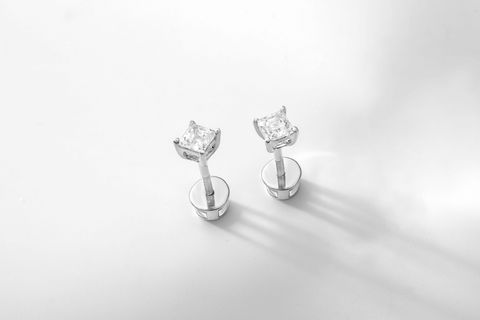
Handmade & Artisan Jewellery Guide: Explore Unique Designs, Traditional Styles, and Craftsmanship
Handmade and artisan jewellery represents a form of decorative craftsmanship in which individual pieces are created or substantially shaped through skilled human work. Unlike mass-produced designs that follow standardized manufacturing processes, artisan jewellery often reflects the techniques, creative decisions, and cultural influences of the person making it.
These pieces may include necklaces, earrings, bracelets, rings, pendants, bangles, and decorative accessories. Materials can range from gold, silver, and platinum to diamonds, pearls, colored gemstones, beads, and other decorative elements.
The appeal of handmade jewellery comes from its connection with creativity, individual design, and traditional techniques. Some pieces follow historical patterns, while others combine traditional craftsmanship with contemporary aesthetics.
Custom handmade jewelry also allows designs to reflect individual preferences. A person may select a particular gemstone, metal color, engraving, pattern, or shape to create a piece with personal significance.
What Makes Artisan Jewellery Different?
Artisan jewellery is generally associated with skilled craftsmanship and attention to individual design details. The process may involve several stages, including drawing, shaping, cutting, forming, soldering, stone setting, polishing, and finishing.
Depending on the technique, a single piece may require the work of several specialists. For example, a handmade diamond necklace may involve a designer, metalworker, gemstone setter, and finishing specialist.
Important characteristics include:
Individual design: Pieces may feature distinctive shapes, patterns, and decorative elements.
Traditional techniques: Some artisans use methods passed through generations.
Material variety: Gold, silver, gemstones, pearls, and other materials can be incorporated.
Detailed finishing: Engraving, filigree, granulation, and stone setting can create intricate surfaces.
Cultural influences: Designs may reflect regional art, architecture, nature, and historical traditions.
Personal expression: Customization can connect a piece with an individual's preferences or memories.
Handmade does not necessarily mean that every production stage is completed without machinery. Modern artisans may combine hand techniques with specialized tools, computer-aided design, and precision equipment.
Why Handmade and Artisan Jewellery Matters Today
Handmade jewellery has significance beyond its decorative appearance. It connects artistic expression, material knowledge, cultural traditions, and individual identity.
Many people appreciate jewellery that reflects a particular design preference or cultural background. Artisan pieces can also help preserve specialized techniques that might otherwise receive less attention in an increasingly standardized manufacturing environment.
Importance of Traditional Jewellery Craftsmanship
Traditional craftsmanship represents accumulated knowledge about materials, tools, patterns, and production methods. These skills are often developed through years of training and practical experience.
In India, jewellery craftsmanship has a long history connected with regional clothing, festivals, weddings, religious traditions, and family celebrations.
Different regions have developed recognizable jewellery styles, including:
Kundan jewellery: Known for its decorative gemstone settings and traditional appearance.
Meenakari jewellery: Features colorful enamel decoration applied to metal surfaces.
Temple jewellery: Inspired by religious imagery, traditional sculpture, and temple art.
Filigree jewellery: Uses fine metal wires arranged into delicate patterns.
Thewa jewellery: Associated with intricate gold detailing on colored glass.
Polki jewellery: Uses uncut diamonds in traditional decorative settings.
Nakshi jewellery: Features raised or carved decorative motifs, often inspired by nature and cultural themes.
These styles demonstrate how handmade jewellery can preserve regional identities and artistic knowledge.
Key Benefits of Handmade Jewellery
| Aspect | General benefit | Example |
|---|---|---|
| Individual design | Supports distinctive visual expression | Custom pendant |
| Cultural heritage | Preserves traditional techniques | Temple necklace |
| Personalization | Reflects individual preferences | Initial bracelet |
| Craftsmanship | Highlights detailed manual work | Filigree earrings |
| Material flexibility | Allows different material combinations | Gold and gemstone ring |
| Artistic value | Connects decoration with creative expression | Hand-engraved bangle |
However, handmade jewellery is not automatically more durable, environmentally responsible, or valuable than machine-produced jewellery. These qualities depend on materials, construction, workmanship, sourcing practices, and maintenance.
Exploring Different Types of Handmade Jewellery
Handmade jewellery covers a wide range of styles and production methods. Understanding these categories helps readers recognize the differences between traditional designs, modern artisan pieces, and personalized creations.
Custom Handmade Jewelry
Custom handmade jewelry is developed according to specific design preferences. The process may begin with a concept, sketch, reference image, or discussion about the intended appearance.
The design can incorporate selected metals, gemstones, dimensions, engraving, and decorative elements.
Common examples include:
Personalized name pendants.
Birthstone necklaces.
Initial rings and bracelets.
Custom wedding bands.
Family-inspired jewellery.
Engraved anniversary gifts.
Nature-inspired gemstone accessories.
A custom design may also reflect a cultural symbol, architectural pattern, or meaningful personal experience.
Before finalizing a design, it is helpful to understand its dimensions, material specifications, gemstone details, construction method, and expected maintenance requirements.
Luxury Artisan Jewelry
Luxury artisan jewelry combines detailed craftsmanship with carefully selected materials and distinctive design approaches. Some pieces feature precious metals, diamonds, pearls, or rare colored gemstones.
The term luxury can refer to design complexity, material selection, artistic reputation, or finishing quality. It does not automatically establish the authenticity, rarity, or long-term value of a piece.
Luxury artisan designs may include:
Detailed gold necklaces.
Gemstone-studded earrings.
Handcrafted diamond pendants.
Intricately decorated bracelets.
Statement rings with sculptural settings.
Traditional designs with contemporary proportions.
The construction and material information remain important when evaluating any fine jewellery piece.
Handmade Gold Jewelry
Handmade gold jewelry includes necklaces, bangles, earrings, rings, pendants, and other decorative pieces shaped or finished through manual craftsmanship.
Gold is available in different purities and colors. Artisans may use casting, wirework, engraving, repoussé, granulation, and other techniques to create distinctive designs.
Popular examples include:
Hand-engraved gold bangles.
Traditional gold necklaces.
Gold filigree earrings.
Floral gold pendants.
Textured gold rings.
Handmade gold chains.
Gold purity is an important consideration because it affects the composition of the metal. Higher karat gold contains a greater proportion of pure gold, while alloying metals influence characteristics such as hardness and color.
Fine Artisan Jewelry
Fine artisan jewelry generally refers to carefully crafted pieces made using precious metals and, in many cases, gemstones.
It can include both traditional and modern designs. A fine artisan necklace may feature a hand-finished gold chain, while a ring may combine a detailed metal setting with a gemstone.
Important characteristics include:
Metal purity and composition.
Gemstone identity and quality.
Setting construction.
Surface finishing.
Design proportions.
Documentation and authenticity information.
The phrase fine artisan jewelry should be supported by accurate descriptions of the materials and workmanship rather than used as a substitute for technical information.
Handmade Diamond Jewelry
Handmade diamond jewelry combines diamond settings with individual metalwork and decorative craftsmanship.
Artisans may create solitaire rings, diamond pendants, earrings, necklaces, and bracelets using different setting techniques.
Common diamond settings include:
Prong setting: Small metal claws hold the gemstone in position.
Bezel setting: A metal rim surrounds the gemstone.
Pavé setting: Multiple small stones are placed closely together.
Channel setting: Stones are positioned within a metal channel.
Halo setting: Smaller stones surround a central gemstone.
The setting influences the overall appearance, security, and maintenance requirements of the jewellery. Diamond identity and grading information should also be clearly documented.
Traditional Gold Jewellery and Regional Craftsmanship
Traditional gold jewellery is closely connected with cultural heritage, ceremonial clothing, family traditions, and artistic expression.
In India, different communities have developed distinctive gold jewellery styles influenced by regional architecture, religious art, local materials, and historical design preferences.
Popular Traditional Indian Jewellery Styles
Temple Jewellery
Temple jewellery is inspired by sculptures, religious figures, and decorative elements found in traditional temple architecture. Designs may feature floral patterns, divine figures, and elaborate gold detailing.
Kundan Jewellery
Kundan work is associated with carefully arranged gemstone settings and traditional decorative designs. It is often seen in necklaces, earrings, pendants, and ceremonial jewellery.
Meenakari Jewellery
Meenakari involves applying colored enamel to metal surfaces. Designs may include floral patterns, geometric arrangements, and detailed decorative motifs.
Filigree Jewellery
Filigree uses fine metal wires arranged into delicate patterns. Silver filigree is particularly associated with traditional craftsmanship in regions such as Odisha.
Thewa Jewellery
Thewa is a traditional craft associated with Pratapgarh in Rajasthan. It involves intricate gold work on colored glass, producing detailed decorative compositions.
Nakshi Jewellery
Nakshi work involves raised or carved metal decoration. Floral, animal, and nature-inspired motifs are common design elements.
These techniques demonstrate the diversity of traditional Indian jewellery and the importance of preserving specialized artisan knowledge.
Handmade Jewellery Design Techniques and Craftsmanship
The appearance of artisan jewellery depends heavily on the techniques used during its creation. Different processes produce different textures, structures, and decorative effects.
Common Jewellery-Making Techniques
Hand Engraving
Engraving involves cutting decorative lines or patterns into a metal surface using specialized tools. It can create names, symbols, floral motifs, and geometric details.
Filigree Work
Filigree involves shaping thin metal wires into intricate arrangements. The wires may be twisted, curled, or combined into decorative structures.
Granulation
Granulation uses tiny metal granules arranged on a jewellery surface to create textured patterns. It requires precision and control during the joining process.
Repoussé and Chasing
Repoussé involves shaping metal from the reverse side to create a raised design. Chasing refines details from the front, producing additional texture and definition.
Lost-Wax Casting
This technique uses a wax model to create a mould into which molten metal is introduced. It is useful for producing complex shapes and detailed forms.
Stone Setting
Stone setting involves securing gemstones within a metal structure. Different methods are selected according to the stone, design, and intended use.
Hand Polishing
Polishing improves the surface appearance of jewellery and helps create different finishes, including glossy, matte, and brushed effects.
Comparison of Jewellery-Making Techniques
| Technique | Main process | Typical application |
|---|---|---|
| Engraving | Cutting patterns into metal | Personalized rings |
| Filigree | Arranging fine metal wires | Delicate earrings |
| Granulation | Attaching tiny metal granules | Traditional gold jewellery |
| Repoussé | Raising designs from metal | Decorative pendants |
| Casting | Forming metal through a mould | Sculptural jewellery |
| Stone setting | Securing gemstones | Diamond necklaces |
| Polishing | Refining the metal surface | Final finishing |
An individual piece may combine multiple techniques. For example, a traditional gold pendant could include casting, engraving, granulation, and gemstone setting.
Understanding Bespoke Jewelry Designs
Bespoke jewelry designs are developed around a particular person's preferences or a specific design concept. The process usually involves several stages, beginning with an idea and continuing through design development, material selection, production, and final inspection.
Main Stages of Custom Jewellery Design
1. Concept Development
The process begins by identifying the purpose and visual direction of the piece. Inspiration may come from cultural motifs, personal memories, architecture, nature, or existing jewellery styles.
2. Design Planning
A sketch or digital model helps establish proportions, dimensions, decorative features, and overall structure.
3. Material Selection
The materials may include gold, silver, platinum, diamonds, pearls, or colored gemstones. Their characteristics should be considered in relation to the intended design.
4. Craftsmanship and Production
Artisans use appropriate techniques to shape the metal, prepare decorative components, and assemble the piece.
5. Gemstone Setting
If gemstones are included, they are positioned and secured using a suitable setting technique.
6. Finishing and Inspection
The final stage may include polishing, surface treatment, checking dimensions, inspecting stone settings, and reviewing overall construction.
Important Factors in Custom Jewelry Designs
Design dimensions and proportions.
Metal purity and alloy composition.
Gemstone identity and specifications.
Comfort and intended frequency of use.
Chain, clasp, and setting construction.
Engraving details and personalization.
Cleaning and maintenance requirements.
A well-documented design process helps ensure that the finished jewellery reflects the intended concept and stated material specifications.
Recent Updates and Trends in Handmade Jewellery
Jewellery design continues to evolve as traditional craftsmanship interacts with digital design tools, changing fashion preferences, and growing interest in material transparency.
During 2025 and 2026, several themes have remained relevant in discussions about handmade and artisan jewellery.
Personalization and Individual Design
Personalized jewellery remains an important design direction. Initial pendants, engraved bracelets, birthstone rings, and custom necklaces connect decorative pieces with individual identities and personal experiences.
Digital Design and Traditional Craftsmanship
Computer-aided design (CAD) has become an important part of contemporary jewellery development. Designers can use digital models to examine proportions, visualize settings, and refine complicated structures before production.
Digital modelling does not eliminate traditional craftsmanship. Many jewellery pieces still require skilled metalworking, stone setting, polishing, and manual finishing.
Growing Attention to Material Transparency
Consumers are increasingly interested in understanding the origin and composition of precious metals and gemstones. Material documentation, responsible sourcing information, and clear descriptions are relevant considerations when assessing fine jewellery.
Laboratory-Grown Diamonds
Laboratory-grown diamonds continue to form part of contemporary diamond jewellery discussions. They have essentially the same chemical composition and crystal structure as natural diamonds, although their origin is different.
Clear identification helps distinguish laboratory-grown diamonds from natural diamonds and diamond simulants.
Traditional Craft Preservation
Artisan communities and cultural organizations continue to emphasize the preservation of traditional techniques, including filigree, hand engraving, enamel work, and regional goldsmithing.
These techniques remain important examples of how historical knowledge can influence contemporary design.
Frequently Asked Questions
1. What is the difference between handmade and artisan jewellery?
Handmade jewellery describes pieces created or substantially shaped through manual work. Artisan jewellery emphasizes the skill, creativity, and specialized craftsmanship involved in producing a piece. The two terms frequently overlap, although manufacturing methods can vary.
2. What materials are commonly used in handmade jewellery?
Common materials include gold, silver, platinum, diamonds, pearls, colored gemstones, beads, enamel, and decorative metals. Material selection depends on the design, intended use, and required construction techniques.
3. What is custom handmade jewelry?
Custom handmade jewelry is developed according to individual design preferences. It may include personalized initials, engraved dates, selected gemstones, particular metal colors, and distinctive decorative patterns.
4. Is handmade gold jewelry different from machine-produced gold jewelry?
The primary difference is often the manufacturing process. Handmade pieces involve manual shaping or finishing, while machine-produced pieces rely more heavily on standardized equipment and processes. Both can use genuine gold, and their purity depends on the actual metal composition rather than the production method.
5. How can the authenticity of handmade gold jewellery be checked in India?
For covered hallmarked gold jewellery, look for the BIS Standard Mark, purity mark, and six-character HUID. The BIS CARE application includes a Verify HUID feature that helps consumers check the recorded information associated with a hallmarked item.
Conclusion
Handmade and artisan jewellery combines creativity, traditional knowledge, material selection, and specialized craftsmanship. From custom handmade jewelry and luxury artisan jewelry to handmade gold jewelry and diamond designs, each category represents a different approach to decorative art.
Traditional techniques such as Kundan, Meenakari, Filigree, Thewa, and Nakshi demonstrate the depth of India's jewellery heritage. Modern design methods, including digital modelling and personalized development, also provide new ways to combine historical inspiration with contemporary aesthetics.
Understanding gemstone characteristics, metal purity, construction techniques, and maintenance requirements helps beginners evaluate artisan jewellery more confidently. In India, hallmarking and consumer protection regulations provide additional guidance when assessing precious-metal pieces.
Ultimately, the importance of handmade jewellery lies in its combination of artistic expression, cultural identity, and individual meaning. Learning about its materials, techniques, and traditions allows readers to appreciate not only the finished design but also the craftsmanship and knowledge behind every piece.

Related Post...
Elegant Office Pendants Guide: Explore Modern Designs, Styles, and Essential Tips
Updated: November 06, 2026
Read More
Office Wear Anklets Guide: Explore Elegant Designs, Styles, and Everyday Wear Tips
Updated: November 06, 2026
Read More
Subtle Gemstone Rings Guide: Explore Elegant Designs, Styles, and Essential Tips
Updated: November 06, 2026
Read More