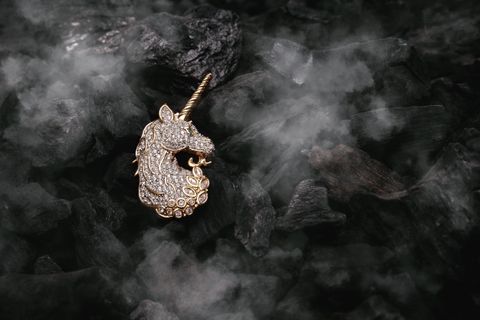
English Victorian Brooches: A Complete Guide to Antique Jewellery Appraisal, History, and Traditional Designs
English Victorian brooches are decorative jewellery pieces associated with the Victorian era, which lasted from 1837 to 1901 during the reign of Queen Victoria. These brooches reflect the artistic preferences, manufacturing techniques, social customs, and cultural influences of nineteenth-century Britain.
Brooches were used to fasten garments and decorate dresses, coats, shawls, collars, and other accessories. Over time, they also became meaningful personal ornaments that could represent affection, mourning, family connections, or social identity.
Victorian brooches were produced in a wide variety of designs. Some featured gold, diamonds, pearls, and colourful gemstones, while others incorporated intricate metalwork, engraved patterns, enamel decoration, or sentimental symbols.
Today, antique Victorian brooches attract interest because of their historical background, craftsmanship, materials, and distinctive appearance. Understanding these characteristics helps readers appreciate their significance and learn the basics of antique jewellery appraisal.
What Makes a Brooch Victorian?
A brooch is generally a decorative pin designed to attach securely to clothing. Victorian examples are associated with the period between 1837 and 1901, although determining the exact age of an individual piece requires more than identifying its general appearance.
Important characteristics may include:
Designs influenced by nineteenth-century fashion and artistic movements.
Gold or other metal construction, sometimes with contrasting materials.
Natural gemstones, pearls, glass, or decorative enamel.
Hand engraving, filigree, repoussé, and other metalworking techniques.
Sentimental motifs such as hearts, flowers, bows, and symbolic hands.
Pin mechanisms and construction methods consistent with particular historical periods.
Not every brooch with an elaborate design is Victorian. Later jewellery can imitate nineteenth-century styles, and some antique pieces have been repaired or modified. Hallmarks, construction details, materials, provenance, and professional examination can help establish a more reliable identification.
The History of Victorian Brooches and Traditional Designs
Victorian jewellery developed alongside changes in British society, manufacturing, transportation, and fashion. The period included several artistic phases, each associated with different design preferences and cultural influences.
Queen Victoria's personal life also influenced jewellery traditions. Her marriage to Prince Albert in 1840 and her mourning following his death in 1861 contributed to the popularity of sentimental and mourning jewellery, although jewellery styles varied considerably among different social groups.
Early Victorian Jewellery: 1837–1860
Early Victorian jewellery often featured romantic and naturalistic designs. Flowers, leaves, bows, hearts, and twisting forms were common decorative subjects.
Brooches from this period could incorporate yellow gold, seed pearls, coloured gemstones, and detailed metalwork. Some designs were influenced by archaeological discoveries and historical revival movements.
Popular characteristics included:
Floral and botanical motifs.
Curved gold settings.
Gemstone clusters.
Decorative engraving.
Sentimental symbols and romantic imagery.
The exact materials and techniques varied according to the maker, intended wearer, and intended purpose.
Mid-Victorian Jewellery: 1861–1880
The middle Victorian period is closely associated with mourning jewellery and sentimental designs. Following Prince Albert's death in 1861, Queen Victoria wore mourning attire for many years, influencing public interest in mourning customs.
Jet, black enamel, dark glass, and other materials were used in mourning jewellery. Some pieces also incorporated hairwork, miniature portraits, or inscriptions commemorating a deceased relative.
However, not all mid-Victorian brooches were mourning pieces. Floral ornaments, gold jewellery, gemstone settings, and decorative revival styles remained important.
Late Victorian Jewellery: 1881–1901
Late Victorian jewellery included a wide range of styles, from ornate gold brooches to smaller, more delicate ornaments.
Designers and manufacturers explored nature-inspired forms, classical motifs, and more varied combinations of gemstones and metals. Advances in manufacturing and distribution also influenced how jewellery was produced and circulated.
Common late Victorian characteristics included:
Fine gold settings.
Floral and naturalistic motifs.
Diamond and pearl accents.
Engraved and textured surfaces.
More delicate decorative forms in some designs.
These periods provide a useful historical framework, but design characteristics overlap. A brooch should not be dated solely by its appearance.
Popular Types of English Victorian Brooches
Victorian brooches were made for different occasions and personal preferences. Their designs often communicated sentimental meanings or reflected contemporary fashion.
Gold Victorian Brooches
Gold brooches were produced in various shapes, including flowers, leaves, bows, circles, and oval forms. Some featured engraved surfaces or intricate openwork, while others used gemstones as focal points.
The colour and purity of the gold can vary. Yellow gold was widely used, and the appearance of an alloy depended on its composition and manufacturing technique.
When researching Victorian gold brooch value, it is important to distinguish the value of the gold itself from the historical and artistic value of the complete object.
Diamond Victorian Brooches
Diamond brooches incorporated diamonds in arrangements ranging from small accents to more prominent central stones.
Some designs featured floral clusters, starbursts, geometric patterns, or decorative borders. Older diamond-cutting styles may look different from modern brilliant cuts because cutting techniques and aesthetic preferences changed over time.
Antique diamond brooch value can depend on several factors, including the diamonds' characteristics, the metal setting, craftsmanship, condition, and evidence of historical authenticity.
A professional examination can help determine whether stones are natural diamonds, later replacements, or other materials that resemble diamonds.
Mourning Brooches
Mourning brooches commemorated deceased relatives or other important individuals. They could include dark materials, initials, dates, inscriptions, or hairwork.
Some pieces incorporated gold alongside black enamel or jet, creating a contrast between the metal and the decorative elements.
Their historical significance may depend on inscriptions, documented family associations, construction, and the survival of original components.
Pearl and Gemstone Brooches
Pearls, garnets, turquoise, amethyst, and other gemstones appeared in Victorian jewellery.
Some brooches featured a single central gemstone, while others used multiple stones to create floral or symmetrical arrangements. Pearl jewellery could have sentimental associations, but materials and symbolism varied across the period.
The identity of a gemstone should not be assumed from its colour or appearance alone. Testing and specialist examination may be necessary.
Enamel and Sentimental Brooches
Enamel decoration added colour to Victorian brooches. Depending on the technique, enamel could appear as a smooth coloured surface or as detailed decoration within a metal framework.
Sentimental brooches sometimes incorporated miniature portraits, initials, locks of hair, or engraved messages. Such details can provide clues about a piece's intended meaning and historical context.
Victorian Brooch Materials and Craftsmanship
Understanding materials and construction is important when identifying antique jewellery. A brooch may combine several metals, gemstones, decorative elements, and mechanical components.
Common Materials
| Material | Common use | Important consideration |
|---|---|---|
| Gold | Brooch bodies, frames, and settings | Purity and alloy composition affect characteristics |
| Diamonds | Decorative accents and focal stones | Cut, condition, and authenticity require assessment |
| Pearls | Floral details and ornamental clusters | Natural, cultured, and imitation pearls must be distinguished |
| Jet | Mourning jewellery and dark decorative pieces | Identification may require specialist examination |
| Enamel | Coloured decorative surfaces | Chips and losses can affect condition |
| Garnet | Red gemstone accents and clusters | Colour alone does not establish identity |
| Turquoise | Blue decorative elements | Treatments and imitations may occur |
| Glass | Gemstone-like decoration | Can resemble other materials without testing |
Traditional Craftsmanship Techniques
Filigree uses fine metal wires arranged into decorative patterns. This technique can create intricate designs with open spaces and delicate details.
Repoussé involves shaping metal from the reverse side to produce a raised design on the front.
Engraving creates lines, patterns, or inscriptions by cutting into a surface.
Enamelling applies a decorative glass-based material to metal and uses an appropriate heating process to create a coloured finish.
Stone setting secures gemstones within metal using techniques such as prongs, bezels, or other structures.
These methods can help explain a brooch's appearance, but no single technique proves that a piece dates to the Victorian era. Later manufacturers also used traditional techniques, and restorations can change the original construction.
Antique Jewellery Appraisal and Valuation Basics
Antique jewellery appraisal is the process of examining a piece to document its characteristics and, when appropriate, estimate its value for a defined purpose.
Antique jewellery valuation involves assessing factors that influence monetary worth. The result can vary according to the valuation purpose, market conditions, and the characteristics of the item.
An appraisal for insurance documentation may use a different basis of value from an assessment intended to understand potential resale or auction value. These figures should not automatically be treated as interchangeable.
Factors That Influence Antique Brooch Value
Several factors can affect the valuation of an English Victorian brooch.
Authenticity: Whether the piece is genuinely from the period claimed.
Age and historical significance: Its approximate date and connection to a particular period or event.
Materials: The type, purity, and condition of the metals and gemstones.
Craftsmanship: The quality and complexity of the construction and decorative work.
Condition: The presence of damage, repairs, missing stones, or replaced components.
Rarity: How uncommon the design or construction appears in the relevant market.
Provenance: Documents or historical evidence establishing ownership or background.
Market demand: The level of interest among collectors and buyers at a particular time.
A brooch with substantial gold content may have a measurable underlying metal value, but its full value may also reflect design, craftsmanship, historical significance, and collector interest.
Victorian Gold Brooch Value
Assessing Victorian gold brooch value begins with identifying the metal and its approximate purity. Hallmarks, maker's marks, construction details, and appropriate testing may help establish the composition.
However, marks can be worn, difficult to interpret, or inconsistent with later repairs. Some antique pieces may have no visible hallmark, depending on their origin and history.
The valuation should also consider the brooch's overall condition and decorative significance. An intricate gold brooch may attract collector interest beyond the value of its metal, while a damaged example may require additional assessment.
Antique Diamond Brooch Value
Antique diamond brooch value depends on the diamonds as well as the complete piece.
Important considerations include:
The identity and characteristics of the diamonds.
The size, arrangement, and condition of the stones.
The metal and construction of the setting.
Whether the original stones appear to have been retained.
The quality of the craftsmanship.
The brooch's historical context and provenance.
Older diamond cuts may have distinctive proportions and visual characteristics. Their evaluation requires attention to the stone's actual properties rather than assuming that modern cutting characteristics are the only relevant criteria.
Vintage Jewellery Appraisal and Insurance Documentation
Vintage jewellery appraisal is commonly used to document the characteristics and estimated value of jewellery from more recent periods, although the precise distinction between vintage and antique can vary by context.
An insurance appraisal generally records identifying details, materials, condition, photographs, and an estimated value appropriate to the intended insurance purpose.
A useful report may include:
A description of the brooch and its design.
Approximate date or historical period.
Metal identification and stated purity.
Gemstone descriptions and relevant test results.
Dimensions and weight, where appropriate.
Condition notes and details of repairs.
Photographs and identifying marks.
The valuation purpose and date of assessment.
For an antique jewellery insurance appraisal, the stated basis of value should be clear. Insurance replacement estimates and likely selling prices may differ because they address different questions.
How to Prepare for an Antique Brooch Valuation
Before an appraisal, gather any available documentation about the brooch's origin and history.
Useful information can include family records, previous valuation reports, purchase documents, photographs, and details of any known repairs.
Avoid polishing or modifying an old brooch before it is examined. Aggressive cleaning can remove surface details, damage enamel, loosen stones, or reduce evidence useful for identification.
A qualified appraiser with relevant antique jewellery experience can explain the examination process, the valuation basis, and the limitations of the available evidence.
Antique Jewellery Insurance Appraisal and Documentation
Insurance documentation can help establish a record of a brooch's characteristics and estimated replacement value.
An antique jewellery insurance appraisal should describe the item clearly enough for identification if it is lost, stolen, or damaged. Photographs, dimensions, distinctive markings, and gemstone details can all be useful.
The document should specify the date and purpose of the appraisal. Jewellery values can change over time, so an older report may not accurately reflect current replacement conditions.
Owners should also keep digital copies of supporting records in a secure location. This makes the information easier to access if the original documents are misplaced.
An appraisal is not an unconditional guarantee of future market value. The estimate reflects the stated purpose, available evidence, and circumstances at the time of assessment.
Identifying Authentic Victorian Brooches
Authenticating a Victorian brooch requires a combination of historical research, material examination, and construction analysis.
Examine Hallmarks and Maker's Marks
Hallmarks can provide information about metal purity, origin, or the responsible maker, depending on the marking system. British gold and silver marks can be particularly useful when they are legible and correctly interpreted.
However, not every mark identifies an exact manufacturing date, and marks may be copied or altered. A specialist should consider the complete group of markings rather than relying on one symbol.
Study the Pin and Fastening Mechanism
The pin, hinge, catch, and backing may provide clues about manufacturing methods and later alterations.
A fastening mechanism that appears inconsistent with the claimed period may indicate a replacement or modification. It does not necessarily mean the entire brooch is modern, because antique jewellery is sometimes repaired to remain wearable.
Assess Materials and Wear
Natural wear, surface patina, and construction details may contribute to an assessment, but these features are not definitive proof of age.
Modern reproductions can be artificially aged, and old pieces can look unusually well preserved because of limited use or careful storage.
For valuable or historically significant jewellery, professional testing and comparative research provide a more dependable basis for identification.
Caring for Antique Victorian Brooches
Antique brooches can contain fragile settings, delicate metalwork, enamel, pearls, or gemstones that respond differently to cleaning and storage.
Essential Care Tips
Store each brooch separately in a clean, padded compartment.
Avoid direct contact with harder jewellery that could scratch its surface.
Keep pieces away from excessive moisture and unsuitable chemicals.
Avoid forcing a stiff hinge or fastening mechanism.
Inspect pins, catches, and stone settings for damage.
Do not use abrasive polishing materials on delicate antique surfaces.
Seek specialist advice before cleaning enamel, pearls, or unidentified gemstones.
Keep photographs and written records of distinctive features.
A brooch with loose stones, damaged enamel, or a bent pin should be examined before regular wear. Repairs should be approached carefully because replacing original components can affect historical integrity.
For fragile or historically significant pieces, appropriate storage and limited handling may be more suitable than frequent wear.
Recent Trends and Developments in Antique Jewellery Research
During 2025 and 2026, interest in antique jewellery research has continued alongside wider discussions about provenance, material identification, documentation, and the circulation of historical objects through online marketplaces and auction platforms.
These developments are best understood as broad areas of interest rather than proof that every Victorian brooch has increased in value.
Digital Research and Jewellery Identification
Digital catalogues, museum collections, and searchable auction archives help researchers compare jewellery designs and historical descriptions.
Photographs can assist with preliminary research, but images alone cannot reliably establish metal purity, gemstone identity, or authenticity.
Greater Attention to Provenance
Provenance refers to the documented history of an object's ownership or background. Collectors and researchers may examine family records, historical photographs, maker's marks, and previous catalogues to establish context.
Not every antique object has a complete ownership history. Missing documentation does not automatically mean that a brooch is inauthentic, but claims about its history should be supported by available evidence.
Responsible Valuation Practices
Modern appraisal practice emphasizes clear descriptions, documented observations, and a stated basis of value.
For readers researching Victorian jewellery, this means distinguishing historical identification from a monetary valuation and understanding that insurance estimates, auction estimates, and realized sale prices may differ.
For current market information, dated auction records and specialist appraisal reports are more useful than unsupported claims about the value of all Victorian jewellery.
Laws and Policies Affecting Antique Jewellery in India
Readers in India should consider applicable hallmarking, consumer protection, taxation, and import or export requirements when researching antique jewellery.
The relevant rules depend on the item, the transaction, the parties involved, and whether the jewellery is being kept, transported, imported, or exported.
Gold Hallmarking and BIS Standards
The Bureau of Indian Standards (BIS) administers India's hallmarking framework for gold and silver jewellery. Mandatory gold hallmarking applies in designated districts, subject to applicable rules and exemptions.
The hallmarking framework is primarily relevant to determining the declared purity of covered gold jewellery. It does not, by itself, prove that a brooch is Victorian or establish its complete antique value.
For an antique brooch, a specialist may need to examine historical marks, construction, metal composition, and other evidence. A modern hallmark and a historical maker's mark serve different purposes.
The BIS CARE application provides a Verify HUID feature for checking recorded details associated with covered hallmarked gold items. Antique pieces and items outside the applicable requirements may need a different identification approach.
Consumer Protection Act, 2019
India's Consumer Protection Act, 2019, provides a framework addressing consumer rights and unfair trade practices, including misleading representations in applicable circumstances.
Descriptions of antique jewellery should not misrepresent a piece's age, metal composition, gemstone identity, or documented history.
Readers should distinguish between an independently documented appraisal, a seller's description, and an official hallmark. These forms of information have different purposes and evidentiary value.
Import and Export Considerations
Antique jewellery crossing international borders may be subject to customs procedures and other applicable requirements. Restrictions may also depend on whether an object qualifies as a protected antiquity under the relevant law.
The Antiquities and Art Treasures Act, 1972, addresses specified antiquities and art treasures in India. Whether a particular jewellery item falls within a relevant legal category depends on the facts and applicable definitions.
Anyone planning to transport historically significant objects internationally should verify the current requirements with the relevant authorities before proceeding.
Frequently Asked Questions
1. How can I identify an authentic English Victorian brooch?
Examine its hallmarks, construction, fastening mechanism, materials, decorative techniques, and available historical documentation. No single characteristic proves authenticity. A specialist appraisal can help establish a more reliable identification.
2. What determines Victorian gold brooch value?
Important factors include gold purity, weight, condition, craftsmanship, historical significance, rarity, provenance, and collector demand. The value of the gold alone may not represent the complete brooch's potential value.
3. How is antique diamond brooch value assessed?
An assessment considers the diamonds' characteristics, the setting, metal composition, condition, craftsmanship, and historical context. Professional examination may be necessary to establish gemstone identity and identify later replacements.
4. What is the difference between antique jewellery appraisal and insurance appraisal?
Antique jewellery appraisal is a broad term for examining and documenting an item's characteristics and value. An insurance appraisal is prepared for a specific insurance purpose and generally uses an appropriate replacement-value basis. The figures may differ from auction estimates or other market values.
5. Can a Victorian brooch be valued without a professional examination?
Photographs and historical research can support preliminary identification, but they cannot reliably confirm every material, repair, or construction detail. A professional examination is particularly useful when authenticity, gemstones, or insurance documentation are important.
Conclusion
English Victorian brooches provide a fascinating connection to nineteenth-century British history, traditional craftsmanship, and changing jewellery fashions. Their floral motifs, gold settings, diamonds, pearls, enamel decoration, and sentimental designs reflect the artistic and cultural influences of the Victorian era.
Understanding these characteristics helps readers explore antique jewellery appraisal, Victorian gold brooch value, antique diamond brooch value, and vintage jewellery appraisal more confidently. Authenticity, material identification, condition, craftsmanship, provenance, and the intended basis of valuation all contribute to a meaningful assessment.
Careful handling, appropriate documentation, and informed historical research can help preserve the condition and significance of antique brooches. Whether a piece is studied for its historical background, family associations, craftsmanship, or collector interest, understanding its individual characteristics is more useful than relying on age or appearance alone.

Related Post...
10th Anniversary Bracelets: A Complete Guide to Styles, Designs, and Gift Ideas
Updated: October 24, 2026
Read More
Gujarati Silver Anklets: A Complete Guide to Traditional Designs, Styles, and Tips
Updated: October 24, 2026
Read More
Adjustable Minimal Bracelets: A Complete Guide to Styles, Designs, and Tips
Updated: October 24, 2026
Read More