Adjustable Minimal Bracelets: A Complete Guide to Styles, Designs, and Tips
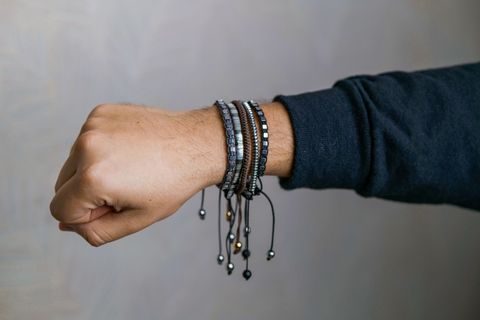
Adjustable minimal bracelets are jewelry pieces designed with simple decorative elements and a mechanism that allows the wearer to change the bracelet's fit. These bracelets often feature fine chains, slim bands, delicate cords, small pendants, or understated gemstone details.
Unlike traditional bracelets with a fixed circumference, adjustable designs accommodate different wrist sizes within their intended adjustment range. Common mechanisms include sliding knots, extension chains, adjustable clasps, and pull-through closures.
Minimalist jewelry focuses on simplicity, balanced proportions, and limited decoration. Instead of elaborate patterns or large ornaments, minimalist bracelets often emphasize clean lines, subtle textures, and carefully selected materials.
These characteristics make adjustable minimal bracelets suitable for different clothing styles and occasions. Depending on their material and construction, they may complement everyday outfits, office clothing, festive attire, or formal wear.
Why Adjustable Bracelets Are Different
The main distinction between adjustable bracelets and fixed-size designs is their ability to change circumference. This feature can make fitting easier, particularly when wrist measurements fall between standard jewelry sizes.
Adjustability also allows some flexibility when wearing a bracelet alone or alongside other accessories. However, every design has a specific adjustment range, so an adjustable bracelet does not automatically fit every wrist.
Common adjustment mechanisms include:
Sliding clasps: Small mechanisms that move along a cord or chain to change its length.
Sliding knots: Knots that move along the bracelet's cords to create a tighter or looser fit.
Extension chains: Additional chain links that provide several fastening positions.
Pull-through closures: Designs in which cords or chains move through an adjustable mechanism.
Flexible bands: Certain bands that accommodate a limited range of wrist measurements through their construction.
Understanding these mechanisms helps readers select a bracelet that is comfortable, practical, and appropriate for its intended use.
Why Adjustable Minimal Bracelets Are Popular
Bracelets are versatile accessories that can add detail to an outfit without changing its overall appearance. Minimal designs are particularly suitable for people who prefer jewelry that complements clothing rather than becoming its main focus.
Adjustable construction adds another practical consideration by allowing some flexibility in fit. This can be useful when selecting a bracelet as a personal accessory or a gift.
Main Benefits of Minimalist Bracelet Designs
Flexible fitting: Adjustable mechanisms allow the wearer to modify the bracelet's circumference within the manufacturer's intended range.
Simple styling: Understated designs can complement casual clothing, office attire, and some formal outfits.
Layering possibilities: Slim bracelets can be combined with watches or other bracelets to create different visual arrangements.
Personal expression: Initials, small symbols, birthstones, and engraved details can give a minimalist piece individual significance.
Material variety: Adjustable designs are available in gold, sterling silver, stainless steel, leather, and textile cords, depending on the construction.
Practical versatility: A simple bracelet can suit different clothing styles without requiring a highly decorative design.
These advantages depend on the bracelet's construction, material, and adjustment mechanism. A delicate chain, for example, may require more careful handling than a solid metal band.
Who May Prefer Adjustable Minimal Bracelets?
Different people may appreciate adjustable bracelets for different reasons.
Individuals who prefer subtle jewelry with clean lines.
People who find fixed bracelet sizes difficult to fit comfortably.
Jewelry enthusiasts who enjoy combining several slim accessories.
Individuals who prefer lightweight designs for regular wear.
People interested in personalized accessories with initials or meaningful symbols.
Anyone exploring different jewelry materials and design styles.
Personal preferences remain important. Some people prefer rigid bangles or statement bracelets, while others favor adjustable chains and delicate bands.
Luxury Bracelets for Women: Materials and Design Features
Luxury bracelets for women can include fine metals, gemstones, intricate craftsmanship, or distinctive design elements. The term luxury describes a broad category rather than a universal technical standard.
An elegant appearance does not depend exclusively on the amount of decoration. Proportions, material quality, finishing, comfort, and durability also influence how a bracelet looks and feels.
Common Materials Used in Minimalist Bracelets
Gold: Gold jewelry is available in different purities, colors, and finishes. Yellow gold has a warm appearance, white gold offers a lighter tone, and rose gold has a pinkish color associated with its alloy composition.
Sterling silver: Sterling silver is an alloy containing 92.5% silver by mass, with the remaining portion generally consisting of other metals. It is commonly marked 925 and is used in chains, bangles, and delicate bracelets.
Stainless steel: Certain stainless-steel grades are used for jewelry because of their strength and resistance to corrosion. Suitability depends on the specific alloy and finishing.
Leather and textile cords: These materials provide a softer appearance and are commonly used in casual or mixed-material bracelet designs.
Gemstones: Small diamonds and colored gemstones can introduce texture, contrast, and personal meaning without requiring an elaborate overall design.
Material Comparison Table
| Material | General appearance | Important consideration |
|---|---|---|
| Gold | Warm, bright, or rose-toned | Check purity and alloy composition |
| Sterling silver | Bright silver finish | May tarnish and require appropriate care |
| Stainless steel | Contemporary metallic appearance | Check the specific grade and finish |
| Leather | Soft and casual | Sensitive to prolonged moisture |
| Textile cord | Lightweight and informal | Knots and fibers may wear over time |
| Gemstone accents | Decorative color or sparkle | Settings require careful inspection |
Material selection should account for the intended use, maintenance requirements, comfort, and individual preferences.
Gold Bracelets for Women and Adjustable Gold Bracelet Designs
Gold bracelets for women are available in different styles, including delicate chains, slim cuffs, charm bracelets, and adjustable designs. Their appearance depends on the gold purity, alloy composition, finishing technique, and overall construction.
An adjustable gold bracelet may feature a fine chain with an extension clasp, a sliding mechanism, or another design that changes the circumference.
Understanding Gold Purity
Gold purity is commonly expressed in karats. Pure gold is relatively soft, so gold jewelry is frequently made using alloys that combine gold with other metals.
| Gold designation | Approximate gold content | General characteristics |
|---|---|---|
| 24 karat | 99.9% | Very high purity; relatively soft |
| 22 karat | 91.7% | High gold content |
| 18 karat | 75% | Commonly used in fine jewelry |
| 14 karat | 58.5% | Contains a larger proportion of alloying metals than 18K gold |
Higher gold content does not automatically make a bracelet more suitable for every use. The alloy, chain thickness, clasp construction, and intended wearing conditions also affect durability.
Features to Examine in an Adjustable Gold Bracelet
Chain construction: Fine chains can appear delicate but may require careful handling.
Adjustment mechanism: The clasp or sliding system should move smoothly and remain secure.
Gold purity: Check the stated karat designation and applicable hallmark.
Surface finish: Polished, brushed, and textured finishes create different visual effects.
Bracelet weight: Consider comfort and how the piece sits on the wrist.
Decorative elements: Small charms or gemstones may affect the bracelet's movement and maintenance requirements.
A bracelet that combines a simple design with suitable construction can be practical for regular wear. The appropriate choice depends on personal preference and how the accessory will be used.
Sterling Silver Bracelets and Their Characteristics
Sterling silver bracelets are widely recognized for their bright, neutral appearance. Their color can complement different clothing palettes and other jewelry materials.
Minimalist sterling silver bracelets may feature fine chains, small geometric pendants, slim bangles, or understated decorative links.
What Does 925 Sterling Silver Mean?
The 925 designation indicates that an alloy contains 92.5% silver by mass. The remaining 7.5% usually consists of other metals that help create a workable jewelry material.
Sterling silver can gradually tarnish through reactions involving substances in its environment. Tarnishing may appear as yellowish, brownish, or dark discoloration on the surface.
Appropriate storage and cleaning can help maintain its appearance.
Useful care practices include:
Store silver jewelry in a dry environment.
Keep bracelets separate to reduce scratching.
Avoid unnecessary exposure to household chemicals.
Use a suitable silver-cleaning cloth when appropriate.
Follow material-specific cleaning instructions.
Inspect clasps and chain links periodically.
Some sterling silver bracelets have coatings or contain gemstones that require different cleaning methods. Abrasive cleaners may damage surface finishes, so the construction should be considered before cleaning.
Designer Minimalist Bracelets and Handmade Gold Bracelets
Designer minimalist bracelets often emphasize a recognizable design language, balanced proportions, and consistent finishing. Their appearance may be influenced by geometric shapes, asymmetrical elements, delicate chains, or understated decorative details.
Handmade gold bracelets may involve individual fabrication, hand-finishing, or traditional metalworking techniques. The exact process varies according to the design and the maker's methods.
Neither the term designer nor handmade automatically establishes a particular level of quality. Construction, materials, finishing, and documentation remain relevant considerations.
Characteristics of Minimalist Bracelet Designs
Geometric designs: Circles, bars, straight lines, and other basic shapes create a structured appearance.
Fine chain bracelets: Delicate links create a lightweight visual effect and may be suitable for layering.
Open cuffs: These designs use an open section rather than a conventional clasp. Fit and flexibility depend on the specific construction.
Charm bracelets: Small decorative elements introduce personality without necessarily making the bracelet visually heavy.
Textured finishes: Brushed or hammered surfaces add subtle detail while retaining a relatively simple shape.
Mixed-material designs: Metal combined with leather, cord, or other materials creates contrast.
Handmade Gold Bracelets: What to Understand
Handmade gold bracelets can vary in their finishing methods, link structures, and decorative details. Traditional techniques may include shaping, soldering, polishing, and setting gemstones.
When evaluating a handmade piece, consider:
Whether the gold purity is clearly stated.
Whether applicable hallmarking requirements are met.
Whether the chain links and clasp appear secure.
Whether decorative elements are evenly finished.
Whether the bracelet has clear care instructions.
Whether the dimensions and adjustment range are documented.
Handmade construction can produce distinctive details, but the actual characteristics depend on the individual piece rather than the label alone.
Custom Bracelets for Women and Personalized Bracelet Designs
Custom bracelets for women may be created around specific preferences, measurements, initials, or decorative themes. Personalization can make a simple accessory more closely connected to an individual's identity or a meaningful occasion.
The terms custom and personalized can describe different things. A custom design may involve changes to the bracelet's dimensions, material, or structure. Personalization may involve adding an initial, engraving, birthstone, or symbolic charm to an existing design.
Common Personalization Ideas
Initials or a meaningful letter.
A significant date engraved where space permits.
A small birthstone.
A geometric symbol associated with a personal memory.
A short inscription.
A combination of two initials.
A decorative charm representing a hobby or interest.
Before selecting an engraved bracelet, consider the available space, legibility, and placement of the inscription. Very small bracelets may not accommodate lengthy text.
Personalized pieces also require attention to practical details. Engraving can affect the available surface area, while additional charms may alter the bracelet's movement and weight.
How to Choose the Right Adjustable Minimal Bracelet
Choosing an adjustable bracelet involves more than selecting a color or decorative style. The bracelet should fit comfortably, suit the intended use, and have an adjustment mechanism appropriate for the wrist.
Measure the Wrist Correctly
Use a flexible measuring tape to measure around the wrist where the bracelet will normally sit. If a measuring tape is unavailable, a piece of string can be wrapped around the wrist and then measured against a ruler.
The measurement should be comfortable rather than excessively tight.
When reviewing a bracelet's specifications, check the minimum and maximum circumference. These measurements help determine whether the adjustment range is suitable.
Consider the Following Factors
Fit: The bracelet should not pinch the skin or slide excessively.
Adjustment range: Confirm that the mechanism accommodates the intended wrist measurement.
Material: Consider gold, sterling silver, stainless steel, or other materials according to preference and care requirements.
Closure: Look for a mechanism that is understandable and practical to operate.
Weight: Consider whether the bracelet feels comfortable during regular movement.
Purpose: Determine whether the design is intended for everyday wear, occasional use, or a particular event.
Maintenance: Review cleaning requirements and any limitations associated with gemstones or coatings.
Adjustable Bracelet Fit Guide
| Fit preference | General guidance |
|---|---|
| Close-fitting | Choose a size that sits comfortably without pinching |
| Standard comfortable fit | Allow some movement without excessive sliding |
| Looser fit | Confirm that the bracelet remains secure during movement |
| Layered styling | Consider how the bracelet sits beside a watch or other accessories |
There is no universal wrist measurement that guarantees a perfect fit. Individual comfort, bracelet design, and the adjustment mechanism all matter.
Styling Adjustable Minimal Bracelets for Different Occasions
Minimal bracelets can complement a variety of clothing styles because they generally use simple shapes and restrained decoration.
Everyday Styling
A slim gold or sterling silver bracelet can add a subtle detail to casual clothing. Fine chains and small charms are often visually compatible with simple shirts, dresses, and other everyday outfits.
For regular wear, comfort and construction should take priority over elaborate decoration.
Office and Professional Clothing
Minimalist bracelets can complement professional clothing without drawing excessive attention. Simple metal finishes and geometric designs may work well with watches and other understated accessories.
When wearing several pieces together, consider their size, color, and overall visual balance.
Festive and Formal Occasions
For formal events, a minimalist bracelet with a gemstone accent or polished finish can complement more decorative clothing. The bracelet does not need to be large to create a coordinated appearance.
Metal colors can be matched with other jewelry, although combining different tones is also a matter of personal style.
Bracelet Layering Tips
Layering means wearing multiple bracelets together. The arrangement may combine different chain thicknesses, textures, or materials.
To create a balanced appearance:
Combine a few pieces with different but complementary proportions.
Avoid excessive weight on a single delicate chain.
Consider whether the clasps and charms may tangle.
Check that the bracelets do not restrict wrist movement.
Coordinate colors according to personal preference.
Bracelet layering is optional. A single well-fitting bracelet can create an equally intentional appearance.
Jewelry Care, Durability, and Long-Term Maintenance
The lifespan of an adjustable bracelet depends on its materials, construction, frequency of use, and exposure to environmental conditions.
Delicate chains may stretch or break if pulled, while sliding mechanisms may become less secure if damaged. Textile cords can fray, and metal surfaces can develop scratches through ordinary contact.
Essential Maintenance Tips
Remove delicate bracelets before strenuous activities.
Avoid exposing jewelry unnecessarily to chlorine or harsh cleaning products.
Store pieces separately in a dry place.
Check clasps and sliding mechanisms periodically.
Follow the care instructions appropriate to the metal and gemstones.
Avoid pulling a bracelet beyond its intended adjustment range.
Seek professional assessment if a clasp or setting becomes loose.
People with sensitive skin should also consider the bracelet's complete material composition. Reactions may depend on the metals present in an alloy, coatings, and individual sensitivity. Material descriptions can help identify potential concerns, although they cannot predict every person's response.
Recent Jewelry Trends and Developments in 2025–2026
During 2025 and 2026, minimalist jewelry discussions have continued to feature delicate chains, personalization, mixed-metal styling, and understated accessories designed for different occasions. These are broad design directions rather than universal preferences.
Notable Design Directions
Personalized accessories: Initials, engraved dates, and symbolic charms connect jewelry with individual experiences.
Minimalist metalwork: Slim bracelets and clean geometric designs emphasize simplicity and proportion.
Mixed-metal combinations: Gold and silver tones may be combined to create contrast or coordinate with different accessories.
Adjustable construction: Sliding closures and extension chains provide flexibility within defined sizing ranges.
Everyday fine jewelry: Some designs combine fine metals with understated shapes intended to complement regular clothing.
Technology also influences jewelry design and presentation. Digital design software can help develop shapes and proportions, while improved online product information can make dimensions, material specifications, and care instructions easier to review.
However, there is no single verified trend that determines whether an adjustable bracelet is appropriate for a particular person. Personal style, comfort, materials, and construction remain more useful considerations than popularity alone.
Jewelry Regulations and Hallmarking in India
Jewelry made from precious metals is subject to applicable standards and consumer protection requirements in India. Understanding these rules helps readers interpret material descriptions and verify relevant information.
Bureau of Indian Standards Hallmarking
The Bureau of Indian Standards (BIS) operates India's hallmarking framework for gold and silver jewelry. Mandatory hallmarking requirements depend on the applicable rules, designated areas, and relevant exemptions.
For covered hallmarked gold jewelry, the hallmark generally includes:
BIS Standard Mark: Identifies the official hallmark.
Purity mark: Indicates the declared gold purity.
Hallmark Unique Identification (HUID): A unique six-character alphanumeric identification number.
Consumers can use the BIS CARE application and its Verify HUID feature to check the recorded details associated with a hallmarked gold item. Readers should consult current BIS guidance for the requirements applicable to a particular item.
Sterling silver is commonly identified by a 925 designation, indicating 92.5% silver by mass. However, a numerical mark should be interpreted in the context of the applicable standards and documentation rather than treated as conclusive proof by itself.
Consumer Protection Act, 2019
India's Consumer Protection Act, 2019, provides a framework for consumer rights and addresses unfair trade practices and misleading representations.
For jewelry descriptions, accuracy matters. Statements about gold purity, silver composition, gemstone identity, and other material characteristics should reflect the actual item.
Readers should distinguish between a hallmark, a gemstone grading report, and a general description. These documents provide different types of information and should not be treated as interchangeable.
Regulatory requirements can change, so official BIS and government guidance should be consulted when checking current obligations.
Frequently Asked Questions
1. What is an adjustable minimal bracelet?
An adjustable minimal bracelet is a bracelet with a simple design and a mechanism that allows its circumference to change within a defined range. Common mechanisms include sliding knots, extension chains, and adjustable clasps.
2. Are adjustable gold bracelets suitable for everyday wear?
They can be suitable for everyday wear if their construction, clasp, chain strength, and adjustment mechanism are appropriate for regular use. Delicate designs require careful handling and routine inspection.
3. What is the difference between sterling silver and pure silver?
Sterling silver generally contains 92.5% silver by mass, while pure silver contains a higher proportion of silver. Sterling silver uses additional metals to improve its suitability for jewelry construction.
4. How do I choose the correct adjustable bracelet size?
Measure the wrist with a flexible measuring tape or string, then compare the measurement with the bracelet's stated minimum and maximum circumference. Choose a fit that allows comfortable movement without excessive sliding.
5. How should minimalist bracelets be cleaned?
Cleaning methods depend on the material, coating, gemstones, and construction. Use appropriate care instructions, avoid harsh chemicals, and seek professional guidance when the bracelet contains delicate stones or specialized finishes.
Conclusion
Adjustable minimal bracelets combine simple design with flexible fitting, making them a versatile category of jewelry. Gold bracelets for women, sterling silver designs, designer minimalist bracelets, and personalized accessories each provide different options in terms of appearance, materials, and individual expression.
Understanding metal purity, adjustment mechanisms, wrist measurements, and jewelry care helps readers evaluate these designs more confidently. Handmade gold bracelets and fine jewelry bracelets may feature distinctive craftsmanship, but their suitability depends on their actual materials, construction, and finishing.
In India, accurate material descriptions and applicable hallmarking requirements are also important considerations when evaluating precious-metal jewelry.
Ultimately, the right adjustable bracelet is one that fits comfortably, reflects personal style, and suits its intended use. By considering design, material, construction, and maintenance together, readers can make informed decisions about minimalist jewelry and care for their chosen pieces over time.

Related Post...

Party-Wear Finger Rings: A Complete Guide to Styles, Designs, and Fashion Tips
Updated: October 24, 2026
Read More
Islamic Calligraphy Pendants: A Complete Guide to Designs, Meaning, and Styles
Updated: October 24, 2026
Read More
Minimalist Engagement Bands: A Complete Guide to Styles, Designs, and Essential Tips
Updated: October 24, 2026
Read More