Fashion Guide: Types, Trends, Basics, and Essential Tips for Beginners
Fashion is the way people express personal style through clothing, footwear, accessories, colors, and design. It reflects individual preferences, cultural traditions, practical needs, and changes in society. Fashion can be simple or elaborate, traditional or contemporary, and formal or casual.
Understanding fashion basics helps beginners choose suitable clothing, develop a personal style, plan a functional wardrobe, and make informed decisions about clothing materials and quality. Learning about fashion design, seasonal trends, sustainable clothing, and everyday styling can also explain how the fashion industry operates.
What Is Fashion and Why Does It Exist?
Fashion includes the styles, designs, and clothing choices that people adopt at a particular time. It develops through a combination of culture, creativity, climate, technology, social influences, and individual preferences.
Clothing originally served essential purposes such as protection, modesty, and comfort. Over time, garments also became ways to communicate identity, occupation, cultural background, and artistic expression.
Modern fashion includes everyday clothing, formal wear, sportswear, traditional garments, streetwear, and experimental designs. Social media, international travel, digital platforms, and changing lifestyles have made fashion influences more accessible across geographical boundaries.
Fashion is not limited to following trends. It can also involve choosing comfortable garments, understanding personal preferences, repairing existing clothes, and creating outfits that suit different situations.
Main Types of Fashion
Fashion can be grouped into several categories according to purpose, design, materials, and cultural influence.
Casual fashion: Everyday clothing designed for comfort and practical activities, including jeans, T-shirts, casual dresses, and trainers.
Formal fashion: Clothing intended for ceremonies, professional events, and formal occasions, such as suits, tailored dresses, and evening wear.
Business casual fashion: A style that combines professional presentation with less formal garments. Examples include tailored trousers, blouses, knitwear, and appropriate footwear.
Streetwear: A style influenced by urban culture, music, skateboarding, sportswear, and contemporary youth culture.
Traditional fashion: Clothing associated with cultural heritage, regional craftsmanship, and established dress traditions.
Sustainable fashion: An approach that considers environmental impact, garment durability, material choices, repair, reuse, and responsible production.
Luxury and designer fashion: Clothing characterized by distinctive design, craftsmanship, specialized materials, or a particular designer's creative direction.
These categories can overlap. For example, a traditional garment may incorporate contemporary tailoring, while a casual outfit may use sustainably produced materials.
Why Fashion Matters Today
Fashion affects people of different ages, occupations, cultures, and lifestyles. Clothing influences comfort, personal expression, social expectations, and how people prepare for particular activities.
A suitable wardrobe can simplify daily decisions by providing clothing appropriate for work, education, travel, and social occasions. Understanding fabrics, garment construction, and fit can also help people assess durability and care requirements.
Fashion knowledge is particularly useful for beginners who want to develop a personal style without relying on every new trend.
Benefits of Understanding Fashion
Personal expression: Clothing allows people to communicate preferences, creativity, and identity.
Practical dressing: Understanding fit, fabric, and layering helps people dress for different weather conditions and activities.
Wardrobe organization: Planning outfits around versatile garments can reduce unnecessary duplication.
Cultural awareness: Learning about traditional clothing and textile techniques encourages appreciation of different communities.
Design knowledge: Studying construction, proportions, colors, and materials helps beginners understand how garments are created.
Environmental awareness: Understanding garment durability, textile waste, and material production can support more considered clothing decisions.
Fashion also has limitations. Trends can change quickly, clothing advertisements may create unrealistic expectations, and garment labels do not always provide enough information to assess environmental impact. Personal comfort, individual circumstances, and reliable product information should remain central to clothing decisions.
Fashion Basics Every Beginner Should Know
Color coordination helps create outfits in which garments complement one another. Neutral colors such as black, white, navy, beige, and grey can be combined with brighter shades to create different looks.
Fit and proportions influence how clothing feels and appears. Garments should allow comfortable movement and suit the intended activity. There is no single ideal body shape or universally correct fit.
Fabric knowledge helps people understand comfort, durability, and care requirements. Cotton, linen, wool, silk, polyester, and blended fabrics have different characteristics. Performance depends on the specific fabric construction, finishing, and intended use.
Layering involves combining garments to adapt to changing temperatures and occasions. A shirt, lightweight sweater, and jacket, for example, can provide flexibility across different settings.
Accessories such as belts, scarves, bags, watches, and jewellery can change the appearance of an outfit without replacing the main garments.
Beginners can start by identifying preferred colors, evaluating existing clothing, and learning which combinations work for their everyday routines.
Capsule Wardrobe Essentials and Everyday Styling
A capsule wardrobe is a collection of versatile garments that can be combined into multiple outfits. Its purpose is to make dressing simpler by emphasizing compatibility, practicality, and repeated use rather than maintaining a large collection of clothing.
The ideal selection depends on climate, lifestyle, workplace expectations, cultural preferences, and personal taste.
Examples of Capsule Wardrobe Essentials
| Clothing category | Example items | Main purpose |
|---|---|---|
| Tops | Plain T-shirts, shirts, blouses | Everyday combinations |
| Bottoms | Jeans, tailored trousers, skirts | Casual and formal outfits |
| Outerwear | Lightweight jacket, blazer | Layering and professional dressing |
| Footwear | Comfortable trainers, formal shoes | Different activities and occasions |
| One-piece clothing | Dresses, jumpsuits | Simple outfit planning |
| Accessories | Belt, scarf, practical bag | Coordination and individual style |
These items are examples rather than a fixed shopping list. Beginners can use garments they already own and identify genuine gaps before adding anything new.
Business Casual Outfits for Women
Business casual outfits for women generally combine professional appearance with comfort and flexibility. However, definitions differ between workplaces, industries, and countries.
Common combinations include:
Tailored trousers with a blouse and comfortable formal shoes.
A knee-length or longer skirt with a structured top and cardigan.
Dark jeans, where permitted, paired with a blazer and neat footwear.
A simple dress with a lightweight jacket.
Tailored trousers with a fine-knit sweater and understated accessories.
Before choosing an outfit, consider workplace guidance, weather conditions, comfort, and the activities planned for the day. Business casual does not require one particular color palette, body shape, or clothing brand.
Fashion Design Basics and Learning Pathways
Fashion design involves developing clothing concepts and translating them into garments. It combines creative thinking with technical knowledge, including drawing, pattern making, textile selection, garment construction, and understanding how clothing fits and moves.
People exploring a fashion designing course or fashion designer course may encounter subjects such as fashion illustration, textile science, sewing techniques, design history, digital design tools, and collection development.
Important Skills in Fashion Design
Fashion illustration: Communicating design ideas through drawings and visual references.
Textile knowledge: Understanding fibers, fabric structures, texture, and garment performance.
Pattern making: Creating templates used to cut fabric into garment components.
Garment construction: Learning stitching, finishing, fitting, and assembly techniques.
Color and trend research: Studying color relationships, consumer preferences, and cultural influences.
Digital design: Using appropriate software to develop technical drawings, patterns, or garment visualizations.
Beginners can start by sketching clothing ideas, studying existing garments, practicing basic sewing, and observing how different fabrics behave. When comparing educational programs, it is useful to review their curriculum, practical training, teaching facilities, assessment methods, and recognition where applicable.
Fashion design is both an artistic and a technical discipline. Strong results require experimentation, attention to detail, and an understanding of the people who will wear the garments.
Online Clothing Shopping and Sustainable Fashion
Digital platforms have changed how people discover clothing, compare garment details, and explore different styles. Online clothing shopping can provide access to size charts, fabric descriptions, product photographs, and customer feedback. However, screen images cannot always communicate accurate color, texture, weight, or fit.
Tips for Evaluating Clothing Online
Check garment measurements against a suitable item you already own.
Read the fabric composition and care instructions.
Review return conditions and delivery information before placing an order.
Examine multiple product photographs and read relevant customer feedback critically.
Check the seller's identity and website security when sharing personal information.
Be cautious of unclear product descriptions, manipulated images, or unsupported claims about quality and sustainability.
Sustainable fashion focuses on reducing the environmental and social impacts associated with clothing production, use, and disposal. It can involve durable design, responsible material selection, better production practices, repair, reuse, and recycling.
When researching sustainable clothing brands, examine specific evidence rather than relying solely on environmental language. Relevant details may include material composition, supply-chain transparency, product durability, certifications, and published environmental information.
No single fabric or label automatically guarantees that a garment has a lower overall environmental impact. Production methods, transportation, garment lifespan, washing, and disposal can all influence that impact.
Practical habits include caring for clothes according to their labels, repairing minor damage, reusing suitable garments, and avoiding unnecessary replacement of items that remain functional.
Recent Fashion Trends and Developments
Fashion trends during 2025 and 2026 have reflected a mix of personal expression, practical dressing, digital discovery, and growing attention to textile waste. Trends vary by region and audience, so no single style represents every consumer.
2025 — Personal styling and wardrobe versatility: Capsule wardrobes, repeatable outfit combinations, and versatile garments continued to feature in fashion discussions as people explored practical approaches to everyday dressing.
2025 — Digital fashion discovery: Social platforms and AI-assisted styling tools continued to influence how consumers discover outfits, visualize combinations, and research clothing. Generated images and recommendations may not accurately represent real garment fit, color, or quality.
2025–2026 — Circular fashion: Repair, second-hand clothing, reuse, and textile recycling remained important topics in discussions about reducing fashion waste.
2026 — Greater attention to product information: Material composition, product traceability, and evidence behind environmental claims remain relevant to discussions about responsible fashion and emerging regulations.
These are broad developments rather than universal rules. Individual trends change quickly, and clothing choices should reflect personal needs instead of pressure to follow every seasonal style.
Fashion Laws, Consumer Protection, and Government Policies in India
Fashion is influenced by regulations covering textile quality, consumer rights, environmental protection, and product information. In India, these rules help establish standards for clothing manufacturers, retailers, digital platforms, and consumers.
Consumer Protection Act, 2019
India's Consumer Protection Act, 2019, addresses consumer rights, unfair trade practices, and misleading advertisements. It is relevant when clothing advertisements make inaccurate claims about product characteristics, quality, or environmental benefits.
Greenwashing Guidelines, 2024
On 15 October 2024, the Central Consumer Protection Authority published guidelines addressing greenwashing and misleading environmental claims. These guidelines are relevant to fashion brands describing garments as sustainable, environmentally friendly, or responsibly produced. Environmental claims should be supported by adequate evidence and explained clearly.
India's Eco-Mark Scheme, 2024, includes textiles among its identified product categories. The scheme supports environmental criteria for eligible products, including considerations relating to materials, resource efficiency, and pollution management. In August 2026, the Ministry of Textiles also highlighted the Tex-Eco Initiative announced in the Union Budget 2026–27, focusing on textile recycling, recycled fibres, and circular production.
These developments reflect increasing attention to textile waste and environmental information. The precise obligations depend on the applicable regulations, product category, and business activities.
Frequently Asked Questions
What are the basic types of fashion?
Common categories include casual, formal, business casual, streetwear, traditional, luxury, and sustainable fashion. Each serves different purposes and can be adapted to individual preferences.
What should beginners include in a capsule wardrobe?
Useful examples include versatile tops, trousers, suitable footwear, outerwear, and a few preferred accessories. The selection should reflect climate, lifestyle, and existing clothing rather than a fixed formula.
What does a fashion designing course teach?
A fashion designing course may cover illustration, textile science, pattern making, garment construction, color theory, and digital design. The exact curriculum varies by educational institution.
How can people identify sustainable clothing brands?
Look for specific information about materials, manufacturing practices, durability, traceability, and recognized environmental certifications. Broad environmental claims alone are not enough to establish sustainability.
What are the latest fashion trends in 2026?
Current fashion discussions include versatile wardrobes, personal styling, digital fashion tools, garment reuse, and textile recycling. Trends vary by region and season, so personal comfort and practical needs remain important.
Conclusion
Fashion combines creativity, culture, personal expression, and practical clothing choices. Understanding clothing types, color coordination, wardrobe planning, and fabric characteristics helps beginners develop a style that suits their everyday lives.
Fashion design education can introduce the technical skills behind garment creation, while capsule wardrobe planning supports versatile outfit combinations. Learning about sustainable fashion and consumer protection also helps people assess clothing information more carefully.
Rather than following every trend, beginners can focus on comfort, quality, personal preferences, and responsible clothing care. These foundations provide a practical starting point for understanding fashion and making informed wardrobe decisions.

Related Post...
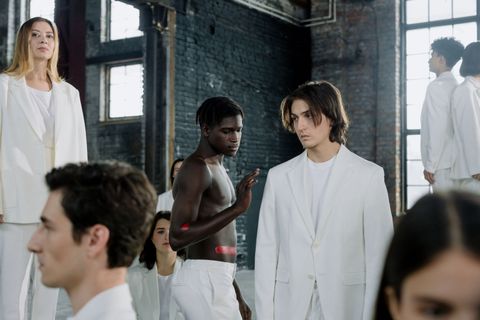
Fashion Guide: Types, Trends, Basics, and Essential Tips for Beginners
Updated: October 22, 2026
Read More