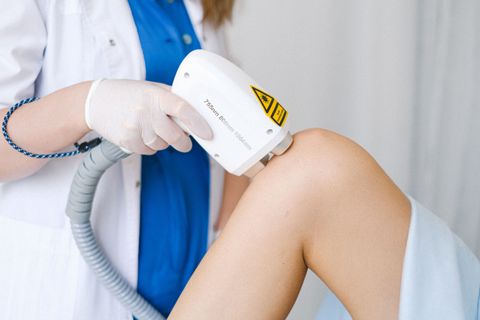
Laser Hair Removal Guide: Explore Types, Benefits, Procedures, and Essential Tips
Laser hair removal is a cosmetic procedure that uses concentrated light energy to reduce unwanted hair growth. It works by directing laser energy toward the pigment, known as melanin, in hair follicles. The pigment absorbs the light energy, which produces heat and can damage the follicle's ability to produce hair.
This technology is commonly used on areas such as the face, arms, legs, underarms, back, chest, and bikini line. It is considered a long-term hair reduction method rather than a guaranteed permanent removal solution. Multiple sessions are generally required because hair grows in different cycles, and laser treatment is most effective when hair is in its active growth phase.
Laser hair removal technology has developed over time, with different laser systems designed to accommodate different skin tones, hair characteristics, and treatment areas. Understanding the procedure, available technologies, possible benefits, limitations, and safety considerations can help individuals make informed decisions.
Importance of Understanding Laser Hair Removal Treatment
Unwanted hair growth is a common cosmetic concern for people of different ages and backgrounds. Traditional hair removal methods, such as shaving, waxing, threading, and depilatory creams, provide temporary results and usually require repeated use.
Laser hair removal offers another approach by targeting hair follicles and reducing future hair growth over a series of sessions.
Long-term hair reduction: Laser procedures can reduce the amount and thickness of hair over time. Results vary according to hair colour, skin tone, hormonal factors, and the technology used.
Convenience: Once an appropriate treatment schedule is completed, many individuals experience longer periods with reduced hair growth compared with temporary methods.
Treatment flexibility: Different body areas can be treated depending on individual requirements and clinical suitability.
Skin comfort considerations: Some people explore laser treatment because repeated shaving or waxing can cause irritation, ingrown hairs, or discomfort. However, laser procedures can also produce temporary skin reactions.
Technology-based treatment: Modern systems use different wavelengths, cooling methods, and energy settings to address a range of hair and skin characteristics.
How Does Laser Hair Removal Work?
Laser hair removal works through a process known as selective photothermolysis. In simple terms, the laser delivers light energy that is absorbed by melanin in the hair. The absorbed energy converts into heat, which can affect the hair follicle and reduce its ability to produce new hair.
The procedure generally involves the following stages:
1. Skin and hair assessment: A qualified professional examines the treatment area, skin tone, hair colour, hair thickness, medical history, and any factors that could influence treatment suitability.
2. Preparation: The treatment area is generally cleaned, and hair may be shaved according to the professional's instructions. Waxing and plucking are usually avoided before treatment because they remove the hair root that the laser needs to target.
3. Protective measures: Appropriate eye protection is provided to the individual and treatment professional. The skin may also be prepared with a cooling system or other suitable measures.
4. Laser application: The device delivers controlled pulses of light to the selected area. The sensation may feel like a brief warm snap or a small pinch.
5. Post-treatment care: The treated skin is checked, and instructions are provided regarding sun exposure, skincare, and activities that may irritate the area.
6. Follow-up sessions: Additional appointments are scheduled according to hair growth patterns and the individual's response to treatment.
Types of Laser Hair Removal Technology
Different laser systems use different wavelengths and energy settings. The most suitable technology depends on skin tone, hair colour, hair thickness, treatment area, and professional assessment.
1. Alexandrite Laser
Alexandrite lasers generally use a wavelength of 755 nm. They are commonly used for hair reduction in people with lighter skin tones and darker hair.
Key characteristics:
Uses a wavelength that is strongly absorbed by melanin.
Often suitable for larger treatment areas.
Can be effective for coarse, dark hair.
Requires careful settings and professional assessment, particularly for darker skin tones.
2. Diode Laser
Diode laser systems commonly operate around wavelengths of 800–810 nm, although device specifications vary. They are widely used in professional hair reduction procedures.
Key characteristics:
Designed to target pigment within hair follicles.
Used for several body areas.
Different systems include contact cooling or other cooling technologies.
May be suitable for a range of skin tones when correctly selected and adjusted.
3. Nd:YAG Laser
Nd:YAG lasers commonly use a wavelength of 1064 nm. This wavelength is less strongly absorbed by surface melanin than some shorter-wavelength systems, making it an important option for treating darker skin tones when operated by an experienced professional.
Key characteristics:
Can be used for a wider range of skin tones.
Often considered for darker skin types.
May be used on larger body areas.
Requires appropriate energy settings and careful technique.
4. Ruby Laser
Ruby lasers use a wavelength of approximately 694 nm. They are an older type of laser hair removal technology and are generally associated with lighter skin tones and dark hair.
Key characteristics:
Uses a shorter wavelength than several commonly used modern systems.
Targets melanin in hair.
May be less suitable for darker skin tones because of increased pigment absorption in the skin.
Is less commonly used in modern hair reduction settings.
5. Intense Pulsed Light (IPL)
IPL is often discussed alongside laser hair removal, but it is not technically a laser. It uses broad-spectrum light rather than one specific laser wavelength.
Key characteristics:
Uses filtered light pulses.
Is available in professional and home-use devices.
Works by targeting pigment in hair.
Effectiveness depends on skin tone, hair colour, device quality, and settings.
IPL and laser systems should not be treated as interchangeable. Their technology, treatment characteristics, and suitability can differ.
Benefits of Laser Hair Removal
Laser hair removal is popular because it can provide longer-lasting hair reduction than many traditional methods. However, results differ between individuals.
Longer-lasting reduction: Multiple sessions can reduce hair growth for extended periods. Some people experience significant reduction, while others require maintenance sessions.
Reduced hair thickness: Regrowing hair may become finer or lighter after a series of treatments.
Less frequent hair removal: Individuals may find that they need to shave or use other temporary methods less frequently.
Treatment for multiple areas: Laser technology can be used on the face, arms, legs, underarms, back, chest, and other suitable areas.
Potential reduction in ingrown hairs: By reducing hair growth, treatment may help some people who regularly experience ingrown hairs after shaving or waxing.
Precision: Professional systems can target selected areas while leaving much of the surrounding skin unaffected when used correctly.
Common Treatment Areas
Laser hair removal can be considered for several parts of the body. The treatment plan depends on the area, hair density, skin characteristics, and individual preferences.
Treatment Area | Common Considerations |
|---|---|
Face | Upper lip, chin, and sideburn areas require careful assessment |
Underarms | Often selected because hair can be coarse and noticeable |
Arms | Treatment may cover forearms or upper arms |
Legs | Larger areas may require longer appointments |
Back | Hair density and coverage influence session duration |
Chest | Individual hair patterns and skin sensitivity matter |
Bikini line | Requires careful treatment around sensitive skin |
Abdomen | Hair thickness and distribution vary between individuals |
Not every area is suitable for every device or individual. A qualified professional should assess the treatment area before beginning.
Full Body Laser Hair Removal
Full body laser hair removal generally refers to treating several body areas as part of a planned course. The exact areas included differ between clinics and treatment plans.
Common areas may include:
Face and neck.
Underarms.
Arms and hands.
Legs and feet.
Back and shoulders.
Chest and abdomen.
Bikini line or other suitable areas.
Full body procedures may require multiple appointments or carefully planned treatment sessions rather than a single visit. Larger treatment areas take more time, and different body regions may respond at different rates.
Before considering full body treatment, individuals should discuss which areas are included, how sessions will be scheduled, what preparation is required, and how the skin will be monitored.
Who May Be Suitable for Laser Hair Removal?
Laser hair removal is generally most effective when there is a noticeable contrast between the pigment in the hair and the surrounding skin. Traditionally, dark hair against lighter skin has responded well to several laser systems.
However, developments in laser technology have expanded treatment options for people with different skin tones.
Suitability depends on several factors:
Hair colour: Dark brown and black hair generally respond better because they contain more melanin. White, grey, blonde, and red hair may respond poorly.
Skin tone: The laser wavelength and settings must be selected carefully to reduce the risk of burns or pigment changes.
Hair thickness: Coarse hair may respond differently from very fine hair.
Hormonal conditions: Certain hormonal factors can contribute to continued or new hair growth.
Medical history: Skin conditions, medications, previous reactions, and other health factors may affect treatment decisions.
Treatment area: Different body regions can respond differently.
A professional assessment is important before starting treatment. Laser hair removal is not appropriate for everyone, and expectations should be discussed in advance.
Laser Hair Removal Procedure: What to Expect
A professional laser hair removal appointment usually begins with a consultation and skin assessment. The duration depends on the size of the treatment area, the device, and the treatment plan.
Before the procedure
Preparation is important because recently tanned or irritated skin may have a higher risk of unwanted reactions.
Avoid intentional tanning and follow professional advice about sun exposure.
Inform the dermatologist about medicines, supplements, skincare products, and previous skin reactions.
Avoid waxing, threading, or plucking the treatment area for the period advised by the professional.
Shave the area if instructed, often shortly before the appointment.
Arrive with clean skin and avoid applying products that the clinic has asked you to stop using.
Discuss any history of scarring, cold sores, skin conditions, or sensitivity.
A consultation should cover expected results, the number of sessions, possible side effects, and whether the proposed technology is suitable for your skin and hair.
During the procedure
The professional cleans the treatment area and provides suitable eye protection. A handheld device is then used to deliver controlled light pulses to the skin.
Some devices include cooling tips or cooling systems to improve comfort and protect the skin's surface. The sensation varies by individual and may feel like warmth, brief pinching, or a snapping sensation.
The appointment may take only a few minutes for a small area, while larger areas such as the legs or back can take considerably longer.
After the procedure
Mild redness, swelling, or temporary sensitivity may occur. These effects often settle within a short period, although individual recovery varies.
Aftercare instructions may include:
Use a cool compress if recommended.
Avoid excessive heat and activities that irritate the treated skin for the period advised.
Protect the area from direct sunlight.
Apply broad-spectrum sunscreen to exposed treated skin as directed.
Avoid scrubbing, harsh exfoliation, or irritating skincare products until the skin has settled.
Contact a healthcare professional if you develop severe pain, blistering, unusual swelling, or signs of infection.
Following professional aftercare guidance is important for reducing the risk of complications.
How Many Sessions Are Usually Needed?
Laser hair removal generally requires multiple sessions because hair follicles do not all grow at the same time. The laser is most effective when the targeted hair is in its active growth phase.
The number of sessions varies according to:
Treatment area.
Hair colour and thickness.
Skin tone.
Type of laser used.
Hormonal influences.
Individual response to treatment.
Many treatment plans involve several appointments spaced weeks apart. Some individuals may need additional sessions or occasional maintenance treatments as hair regrows. A dermatologist should recommend the schedule based on the treatment area and response rather than promising the same number of sessions to everyone.
Possible Side Effects and Risks
Laser hair removal is widely used, but it is still a procedure that requires appropriate training, equipment, and safety precautions. Side effects can range from temporary irritation to less common complications.
Temporary redness and swelling: The treated area may look mildly red or swollen, similar to a light sunburn. These effects often settle within a few hours or days.
Skin irritation: Some people experience temporary warmth, tenderness, or discomfort after treatment.
Pigment changes: The skin may become temporarily lighter or darker. The risk can be higher when the wrong device or settings are used for a person's skin tone.
Blisters and burns: Excessive or incorrectly delivered laser energy can cause burns or blistering.
Scarring: Scarring is uncommon but can occur, particularly when treatment is performed incorrectly or complications are not managed appropriately.
Eye injury: Laser exposure can seriously damage the eyes. Proper protective eyewear and suitable precautions are essential for everyone in the treatment room.
Unexpected hair growth: In uncommon cases, hair growth may increase around the treated area rather than decrease.
People with darker skin tones should seek a professional experienced in treating their skin type because appropriate wavelength selection and energy settings are particularly important.
Best Laser Hair Removal Machine: Features to Understand
The phrase best laser hair removal machine does not refer to one device that is suitable for everyone. Different machines use different wavelengths, pulse settings, cooling systems, and treatment methods.
When evaluating professional equipment, the following features are worth understanding.
Wavelength options: The wavelength influences how light interacts with melanin in the skin and hair. Different wavelengths may be suitable for different skin characteristics.
Adjustable energy settings: Professional systems allow trained operators to select settings according to the treatment area, skin tone, and hair characteristics.
Cooling technology: Contact cooling, air cooling, or other cooling methods may help protect the skin's surface and improve comfort.
Spot size: The treatment window affects how much skin can be covered with each pulse and can influence appointment duration.
Pulse duration: Adjustable pulse duration helps professionals tailor energy delivery to the individual and treatment area.
Safety controls: Suitable equipment should include appropriate operating controls, protective measures, and manufacturer guidance.
Maintenance and calibration: Regular maintenance and correct operation are important for consistent device performance.
Consumers should not select a machine based only on advertising claims or a high number of technical features. Device suitability, professional training, and safe operation matter more than a machine's marketing description.
Professional Laser Hair Removal and Home-Use Devices
Laser hair removal is available through professional treatment settings, while some consumers also use home-use light-based devices. These options differ in power, operation, treatment requirements, and expected results.
Feature | Professional Treatment | Home-Use Devices |
|---|---|---|
Equipment | Professional laser or light-based systems | Consumer devices, often IPL-based |
Operation | Performed by trained professionals or under appropriate supervision | Used by the individual according to instructions |
Energy delivery | Selected according to professional assessment | Generally designed with consumer safety limits |
Treatment planning | Individual assessment and follow-up | User-managed schedule |
Suitable users | Determined through clinical assessment | Depends on device-specific skin and hair restrictions |
Expected results | Can provide significant long-term hair reduction | Often requires regular and continued use |
Home-use devices are not suitable for every skin tone or hair colour. Users should read the manufacturer's instructions and safety restrictions carefully. Professional assessment is especially important for people with darker skin tones, skin conditions, or a history of unusual skin reactions.
How to Choose a Laser Hair Removal Clinic
Selecting an appropriate clinic is an important part of planning laser hair removal. The quality of the assessment, operator experience, equipment, and safety procedures can influence the treatment experience.
Consider the following points before making a decision:
Professional qualifications: Check whether a qualified dermatologist is performing or appropriately supervising the procedure.
Experience with your skin tone: Ask whether the professional has experience treating people with similar skin characteristics.
Equipment information: Understand which laser technology is being used and why it is suitable for your hair and skin.
Consultation process: A proper assessment should take place before treatment begins.
Safety arrangements: Check whether protective eyewear, cooling methods, hygiene practices, and emergency procedures are available.
Treatment transparency: Ask for a clear explanation of the expected results, session schedule, limitations, and possible side effects.
Follow-up support: Understand how the clinic handles skin reactions and provides guidance between appointments.
A clinic should not promise identical results for every individual or guarantee complete permanent hair removal. A professional assessment is more useful than relying on promotional claims.
Laser Hair Removal Cost: Factors That Influence Pricing
The amount charged for laser hair removal varies according to the treatment plan, equipment, location, and number of sessions. There is no single standard amount that applies to every person or treatment area.
Common factors include:
Treatment area: Smaller areas, such as the upper lip or chin, generally require less appointment time than larger areas such as the legs or back.
Number of sessions: Multiple appointments are usually needed to address hair follicles during different growth phases.
Laser technology: Different devices have different technical capabilities, operating requirements, and maintenance needs.
Professional experience: The qualifications and experience of the treating professional may influence the overall treatment arrangement.
Clinic location: Geographic location, facility standards, and available equipment can affect pricing.
Treatment complexity: Hair density, skin characteristics, and the size of the area may influence the treatment plan.
Before beginning, individuals should request a written breakdown of the planned sessions, areas covered, possible additional appointments, and follow-up arrangements.
Recent Updates and Developments in Laser Hair Removal (2025–2026)
Laser hair removal continues to develop through improvements in equipment, treatment planning, and skin-safety practices. Several developments are relevant to people exploring this procedure.
1. Greater attention to different skin tones
Modern treatment planning increasingly considers how different skin tones respond to laser energy. Nd:YAG and other suitable systems can expand treatment options, but device selection and professional experience remain essential.
2. Improved cooling systems
Many professional devices incorporate contact cooling, air cooling, or other cooling technologies. These features are designed to improve comfort and help protect the skin during energy delivery.
3. More detailed skin assessments
Professional consultations increasingly emphasise medical history, recent tanning, medication use, hair characteristics, and previous skin reactions before treatment.
4. Continued development of home-use technology
Consumer IPL and light-based devices continue to attract attention. However, home-use systems have different energy limits and suitability requirements compared with professional equipment.
5. Increased focus on professional standards in India
In December 2025, the Indian Ministry of Health and Family Welfare published minimum standards for cosmetology clinics that include requirements relating to laser and energy-based devices. The document describes operation by a qualified dermatologist or plastic surgeon, or by a trained assistant under their direct supervision and in their presence.
These developments highlight the importance of choosing appropriate technology and qualified professionals rather than relying only on device advertisements.
Laws, Policies, and Safety Considerations in India
Laser hair removal falls within the broader area of cosmetic and dermatological procedures. Individuals should understand the professional and facility standards relevant to such treatments.
National Medical Commission (NMC): The NMC issued guidelines on aesthetic surgery and hair transplant procedures in September 2022. The guidelines form part of the broader framework for professional conduct and patient safety in medical practice.
Government clinic standards: The Ministry of Health and Family Welfare has published minimum standards for cosmetology clinics, including infrastructure and operational guidance for laser and energy-based devices. These standards emphasise qualified professional involvement and appropriate supervision.
Professional medical conduct: Registered medical professionals are expected to follow applicable medical ethics and professional conduct requirements. The National Medical Commission's ethics framework provides a mechanism for addressing professional misconduct.
Patient information and consent: Before a procedure, individuals should receive an explanation of the proposed treatment, possible risks, expected results, and available alternatives. They should have an opportunity to ask questions before providing consent.
Facility and equipment safety: Treatment settings should maintain suitable hygiene, protective eyewear, equipment maintenance, and safety arrangements.
The exact regulatory requirements can depend on the state, facility type, and applicable rules. Individuals should verify the clinic's registration, professional qualifications, and relevant local requirements before proceeding.
Frequently Asked Questions (FAQs)
1. Is laser hair removal a permanent hair removal treatment?
Laser hair removal can provide long-term hair reduction, but it does not guarantee that every hair will disappear permanently. Some hair may regrow, often becoming finer or lighter. Maintenance sessions may be required.
2. How many sessions are needed for laser hair removal?
The number of sessions depends on the treatment area, hair thickness, skin tone, hormonal factors, and laser technology. Several appointments are usually required, with intervals determined by a qualified professional.
3. Is laser hair removal suitable for all skin tones?
Different laser systems can be used for different skin tones, but the correct wavelength and energy settings are important. People with darker skin should choose an experienced professional who understands the specific safety requirements.
4. Does laser hair removal work on blonde or white hair?
Laser hair removal generally works best on dark hair because the treatment targets melanin. Blonde, white, grey, and some red hair may not respond effectively because they contain less suitable pigment.
5. Is full body laser hair removal possible?
Several body areas can be included in a treatment plan, depending on individual suitability. Full body treatment usually involves multiple appointments and requires assessment of each area.
6. What is the difference between laser hair removal and IPL?
Laser hair removal uses a specific laser wavelength, while IPL uses broad-spectrum light. Both target pigment in hair, but their technology, treatment characteristics, and suitability differ.
7. Can laser hair removal cause skin damage?
Temporary redness and swelling are common possible reactions. Burns, blisters, pigmentation changes, and scarring can also occur, particularly when unsuitable settings or inexperienced operators are involved.
8. Can people with sensitive skin undergo laser hair removal?
Some people with sensitive skin may be suitable, but they need an individual assessment. A dermatologist can evaluate skin sensitivity, medical history, and possible risks before recommending treatment.
Conclusion
Laser hair removal is a technology-based method for reducing unwanted hair growth over an extended period. It uses concentrated light energy to target pigment within hair follicles and is available through different laser systems, including Alexandrite, Diode, Nd:YAG, and Ruby lasers. IPL is another light-based option, although it is not technically a laser.
Understanding the differences between these technologies, their benefits, limitations, and possible side effects is essential before considering treatment. Factors such as skin tone, hair colour, treatment area, professional experience, and equipment selection all influence the results.
Whether exploring professional laser hair removal, full body laser hair removal, or the best laser hair removal machine, individuals should prioritise safety, realistic expectations, and qualified medical guidance. An informed decision and an appropriate treatment plan can help make the overall experience safer and more suitable for individual needs.

Related Post...
Face Trimmer Guide: Explore Types, Features, Benefits, and Essential Grooming Tips
Updated: November 19, 2026
Read More
Woffer Processing Equipment Guide: Explore Types, Applications, and Essential Industry Insights
Updated: November 19, 2026
Read More
Digital Marketing Guide: Explore Strategies, Types, and Essential Marketing Insights
Updated: November 21, 2026
Read More