Renewable Energy Technologies: A Complete Guide to Clean Energy Solutions
Renewable energy technologies use naturally replenished resources to generate electricity, produce heat, or support transportation. These resources include sunlight, wind, flowing water, geothermal heat, and certain forms of biomass. Unlike fossil fuels, which depend on finite geological reserves, renewable energy sources are replenished through natural processes.
The development of renewable energy technologies is closely connected to growing electricity demand, environmental concerns, energy security, and efforts to reduce greenhouse gas emissions. Governments, households, industries, and commercial organizations increasingly examine clean energy as part of their long-term energy planning.
Solar panels convert sunlight into electricity, wind turbines use moving air to generate power, and hydropower systems convert the energy of flowing or falling water into electricity. Other technologies, including geothermal systems and sustainable bioenergy, provide additional options depending on local resources and infrastructure.
Renewable energy does not refer to one single technology. It includes several systems with different installation requirements, operating characteristics, environmental impacts, and energy outputs.
Main Types of Renewable Energy
Solar energy: Solar photovoltaic panels convert sunlight directly into electricity. Solar thermal systems use solar heat for applications such as water heating. Solar technology can be installed on residential rooftops, commercial buildings, industrial facilities, and utility-scale sites.
Wind energy: Wind turbines convert the kinetic energy of moving air into electricity. Wind farms can operate on land or offshore, depending on wind conditions, infrastructure, and environmental considerations.
Hydropower: Hydropower generates electricity using flowing or falling water. Its output depends on water availability, plant design, and local environmental conditions.
Geothermal energy: Geothermal systems use heat from beneath the Earth's surface. Depending on the location and technology, this heat can support electricity generation or direct heating.
Bioenergy: Bioenergy uses organic materials, such as agricultural residues and certain forms of waste, to produce heat, electricity, or fuels. Its environmental performance depends on the feedstock, production method, and management practices.
Ocean energy: Tidal and wave technologies harness the movement of seawater. These systems have potential in suitable coastal locations, although their development depends on technical and economic factors.
Each technology has different strengths. Solar power may be suitable for rooftops with sufficient sunlight, while wind power depends on local wind resources. Hydropower requires suitable water conditions, and geothermal projects depend on accessible underground heat.
Why Renewable Energy Matters Today
Renewable energy is important because electricity and heating support nearly every part of modern life. Homes depend on power for lighting, cooling, cooking, and appliances. Commercial buildings use electricity for computers, refrigeration, ventilation, and other equipment. Industrial facilities require energy for manufacturing, processing, and machinery.
Traditional energy sources can contribute to greenhouse gas emissions and air pollution. Renewable technologies can help reduce these impacts when they replace more emissions-intensive energy sources. Their overall environmental effects still depend on manufacturing, construction, land use, materials, and end-of-life management.
Key Benefits of Renewable Energy
Reduced operational emissions: Solar and wind power generally produce electricity without direct greenhouse gas emissions during operation.
Diversified energy supply: Renewable resources can reduce dependence on a limited range of energy sources.
Local energy generation: Rooftop solar systems can generate electricity close to where it is consumed.
Support for electrification: Renewable electricity can support electric vehicles, electric heating, and selected industrial processes.
Long-term energy planning: Renewable projects can help organizations diversify their electricity procurement arrangements.
Technological development: Investment in renewable systems supports innovation in power electronics, energy storage, grid management, and monitoring.
Renewable energy also presents challenges. Solar and wind generation vary with weather and time of day, while hydropower can be affected by droughts and changing water availability. Some projects require significant land, transmission infrastructure, storage capacity, or environmental assessments.
Reliable energy planning therefore involves evaluating both the benefits and the limitations of each technology.
Solar Energy Systems and Their Applications
Solar energy is among the most widely used renewable technologies because sunlight is available across many regions. Its suitability varies according to climate, roof orientation, shading, available land, local regulations, and electricity consumption patterns.
Solar photovoltaic systems contain several components that work together to generate usable electricity.

Related Post...

Technology Guide: Types, Basics, Benefits, and Essential Tips for Beginners
Updated: October 22, 2026
Read More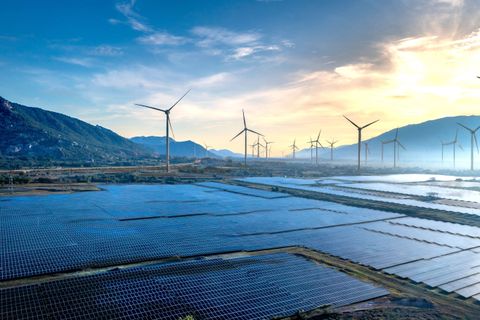
Renewable Energy Technologies: A Complete Guide to Clean Energy Solutions
Updated: October 27, 2026
Read More