Classic Solitaire Engagement Rings Guide: Explore Timeless Designs, Styles, and Essential Tips
Engagement rings are meaningful pieces of jewellery that represent commitment, affection, and the beginning of a shared journey. Among the many available designs, classic solitaire engagement rings remain popular because of their simple structure, elegant appearance, and ability to highlight a single centre diamond.
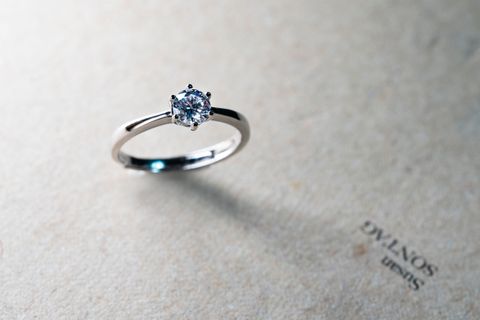
A solitaire ring generally features one prominent gemstone mounted on a band. Unlike designs with multiple surrounding stones or elaborate decorative patterns, its main attraction is the centre diamond. This minimal arrangement makes solitaire engagement rings suitable for people who appreciate traditional jewellery as well as modern designs.
Classic solitaire styles are available in different diamond shapes, metal choices, settings, and band designs. Some feature round brilliant diamonds with traditional prongs, while others use oval, princess, emerald, or pear-shaped stones. Platinum and gold are also common choices for the ring band.
Understanding diamond quality, setting styles, metal characteristics, certification, and design options can help individuals explore diamond engagement rings with greater confidence. This guide explains the essential details of classic solitaire engagement rings, including their history, popular styles, benefits, and practical selection tips.
Importance of Classic Solitaire Engagement Rings
Solitaire engagement rings have maintained their popularity because their design combines simplicity with visual emphasis on the centre gemstone. Their appeal is not limited to one jewellery trend or generation.
Timeless appearance: Solitaire designs have a clean structure that can remain visually appealing even as jewellery preferences change. Their minimal decoration allows the centre diamond to remain the main focus.
Versatile styling: These rings can complement traditional, contemporary, and minimalist jewellery preferences. They can also be paired with different wedding band styles.
Focus on diamond quality: Since a solitaire ring generally contains one main gemstone, its cut, clarity, colour, and carat weight become important parts of the overall appearance.
Personal design choices: Buyers can explore different centre stone shapes, band widths, metal finishes, and setting styles to create a ring that reflects individual preferences.
Suitable for different occasions: Although primarily associated with engagements, solitaire rings can also be worn as meaningful jewellery on anniversaries and other personal milestones.
What Makes a Solitaire Engagement Ring Different?
A solitaire engagement ring is defined by its single-centre-stone design. The centre gemstone is usually a diamond, although other gemstones can also be used.
The design generally consists of three main elements:
Centre diamond: The main gemstone that attracts attention and determines much of the ring's visual character.
Setting: The structure that holds the centre stone securely in place.
Band: The circular metal portion that fits around the finger and connects to the setting.
The simplicity of this arrangement creates several design possibilities. A solitaire ring may feature a delicate band, a thicker contemporary band, a high setting, or a low-profile design.
Unlike halo engagement rings, which feature smaller stones surrounding the centre diamond, solitaire designs generally avoid additional stones around the main gemstone. This makes them a distinctive option for people who prefer understated jewellery.
Popular Solitaire Engagement Ring Styles
Solitaire engagement rings are available in different designs, each offering a distinct appearance. The choice often depends on diamond shape, personal style, comfort, and the preferred metal.
1. Classic Round Solitaire Engagement Rings
Round solitaire rings are among the most recognised engagement ring designs. Their circular centre diamond is commonly cut with 57 or 58 facets, depending on the cutlet configuration, to support light reflection and brilliance.
Important characteristics include:
Traditional and balanced appearance.
Strong potential for brilliance when well cut.
Compatibility with different band designs.
Availability in different carat weights.
Suitability for prong and bezel settings.
Round brilliant diamonds are often selected by individuals who appreciate traditional engagement jewellery.
2. Oval Solitaire Engagement Rings
Oval solitaire rings feature an elongated diamond shape with curved edges. Their appearance combines the brilliance of a round diamond with a more extended outline.
Common characteristics include:
Elongated visual proportions.
Smooth, rounded edges.
Compatibility with simple and decorative bands.
Different length-to-width ratios.
A contemporary interpretation of classic solitaire styling.
When exploring oval diamonds, it is useful to examine their symmetry and the visibility of the bow-tie effect, a darker area that may appear across the centre of some oval cuts.
3. Princess Cut Solitaire Engagement Rings
Princess cut diamonds generally have a square outline with pointed corners. Their geometric structure creates a modern appearance while maintaining the simplicity of a solitaire design.
Notable features include:
Square or slightly rectangular shape.
Distinctive geometric appearance.
Faceted structure designed for brilliance.
Compatibility with classic prong settings.
A clean look for contemporary jewellery preferences.
Because of their pointed corners, suitable protective settings can be particularly important.
4. Emerald Cut Solitaire Engagement Rings
Emerald cut diamonds have a rectangular shape with step-cut facets. Instead of producing the same sparkle pattern as round brilliant diamonds, they create broad flashes of light and a distinctive hall-of-mirrors appearance.
Their main characteristics include:
Long rectangular outline.
Step-cut facet arrangement.
Elegant and understated appearance.
Greater emphasis on clarity and transparency.
Compatibility with simple platinum and gold bands.
Inclusions may be more noticeable in emerald cut diamonds because of their large, open facets. Clarity should therefore be considered carefully.
5. Pear-Shaped Solitaire Engagement Rings
Pear-shaped diamonds combine a rounded end with a pointed tip. This teardrop-like outline creates a distinctive appearance.
Common characteristics include:
Asymmetrical visual design.
Combination of round and marquise-inspired shapes.
Elongated appearance.
Compatibility with different band styles.
A distinctive centre-stone profile.
The pointed end should be protected with an appropriate setting to reduce the possibility of damage.
6. Cushion Cut Solitaire Engagement Rings
Cushion cut diamonds feature a square or rectangular outline with rounded corners. Their shape resembles a cushion, and their faceting styles can produce different visual effects.
Popular characteristics include:
Soft, rounded corners.
Traditional and romantic appearance.
Different square and elongated proportions.
Compatibility with vintage-inspired designs.
Availability in different facet arrangements.
Cushion cut solitaire rings can suit people who prefer a combination of traditional shapes and contemporary jewellery styling.
Diamond Choices for Solitaire Engagement Rings
The centre diamond is one of the most important elements of a solitaire ring. Individuals generally compare natural diamonds and lab grown diamonds before exploring different designs.
Natural Diamond Engagement Rings
Natural diamonds form deep within the Earth over geological periods under conditions of high pressure and temperature. They are extracted through mining and then processed for jewellery applications.
Natural diamond engagement rings are available in numerous shapes, sizes, and quality grades.
Important characteristics include:
Geological origin.
Different levels of colour and clarity.
Availability in multiple diamond cuts.
Individual characteristics and inclusions.
Grading through recognised gemological laboratories.
Natural diamonds are often selected by individuals who prefer gemstones formed through natural geological processes.
Lab Grown Diamond Engagement Rings
Lab grown diamonds are created using controlled technological processes. They have essentially the same chemical composition, crystal structure, and optical properties as natural diamonds.
Two commonly used production methods are:
High Pressure High Temperature (HPHT): This process recreates conditions similar to those involved in natural diamond formation by using high pressure and high temperature.
Chemical Vapour Deposition (CVD): This method involves growing diamond material through a controlled chemical process in a specialised chamber.
Lab grown diamond engagement rings are available in several shapes, sizes, and quality grades. They are generally distinguishable from natural diamonds through specialised gemological testing rather than ordinary visual inspection.
The choice between natural and lab grown diamonds depends on personal preferences, origin considerations, grading information, and long-term expectations.
Certified Diamond Engagement Rings
Diamond certification or grading documentation provides information about a gemstone's characteristics. It helps individuals understand the diamond's reported quality and identity.
A grading report may include:
Carat weight.
Colour grade.
Clarity grade.
Cut grade, where applicable.
Measurements.
Diamond shape.
Identification characteristics.
Natural or laboratory-grown origin information.
Gemological organisations such as the Gemological Institute of America (GIA) and the International Gemological Institute (IGI) issue diamond grading reports.
It is important to understand that a grading report describes a diamond's characteristics. It does not automatically guarantee the overall quality of the ring's setting, craftsmanship, or long-term condition.
Essential Features of a Classic Solitaire Engagement Ring
A solitaire ring may appear simple, but several design elements influence its appearance, comfort, and durability.
1. Diamond Cut
Diamond cut refers to how well a gemstone's proportions, symmetry, and polish interact with light. It is particularly important for round brilliant diamonds because it influences their brilliance and sparkle.
A well-cut diamond can reflect light effectively, while a poorly proportioned stone may appear less lively. Cut quality should be considered alongside colour, clarity, and carat weight.
2. Carat Weight
Carat measures the weight of a diamond, not its physical dimensions. One carat equals 200 milligrams.
Two diamonds with the same carat weight may look different in size because of their shape, proportions, and cutting style. For example, an oval diamond may appear larger from the top than a round diamond of similar weight.
3. Diamond Colour
Diamond colour grading generally evaluates how much colour is visible in a diamond. The standard GIA scale ranges from D, representing colourless, to Z, representing light yellow or brown.
The metal used for the ring can influence how the diamond's colour appears. Platinum and white gold often create a neutral appearance, while yellow and rose gold can introduce warmer visual tones.
4. Diamond Clarity
Clarity refers to the presence of internal characteristics called inclusions and external characteristics called blemishes.
The GIA clarity scale includes:
Flawless (FL)
Internally Flawless (IF)
Very, Very Slightly Included (VVS1 and VVS2)
Very Slightly Included (VS1 and VS2)
Slightly Included (SI1 and SI2)
Included (I1, I2, and I3)
The visibility of inclusions depends on their size, position, number, and nature. A diamond does not necessarily need the highest clarity grade to appear attractive.
5. Ring Setting
The setting holds the centre diamond in place and influences the ring's overall appearance.
Common options include prong, bezel, cathedral, and tension-inspired settings. Each has different structural and visual characteristics.
The setting should be selected according to the diamond's shape, desired appearance, comfort, and level of protection.
Popular Metal Choices for Solitaire Engagement Rings
The ring band contributes to the appearance, durability, and overall character of an engagement ring. Different metals have different colours, properties, and maintenance requirements.
Platinum Solitaire Engagement Rings
Platinum is a naturally white precious metal commonly used in fine jewellery. It is known for its density and durability.
Its characteristics include:
Naturally white appearance.
Good resistance to everyday corrosion.
Strong construction for gemstone settings.
Hypoallergenic properties for many wearers.
A substantial feel compared with many gold alloys.
Platinum can develop a surface patina over time. This is a normal characteristic of the metal and does not necessarily indicate damage.
White Gold Solitaire Rings
White gold is created by combining gold with other metals to produce a lighter appearance. Many white gold rings receive a rhodium coating to enhance their brightness.
Its characteristics include:
Bright, silvery-white appearance.
Compatibility with different diamond shapes.
Availability in different gold purities.
A classic jewellery appearance.
Periodic maintenance requirements for rhodium-plated designs.
Yellow Gold Solitaire Rings
Yellow gold remains a traditional choice for engagement jewellery. Its warm colour creates a noticeable contrast with many diamond shapes.
Common characteristics include:
Traditional golden appearance.
Availability in 14K, 18K, and other purities.
Compatibility with classic and modern settings.
Different levels of hardness depending on the alloy.
A warm appearance that complements various skin tones.
Rose Gold Solitaire Rings
Rose gold contains gold mixed with copper and sometimes other metals. Its pinkish tone creates a distinctive appearance.
It is often selected for vintage-inspired, romantic, and contemporary ring designs.
Custom Engagement Rings: Understanding Personalisation
Custom engagement rings allow individuals to explore design elements that reflect their preferences. Rather than selecting only a standard design, they can consider different combinations of gemstones, settings, metals, and band details.
Common personalisation possibilities include:
Diamond shape: Round, oval, emerald, pear, princess, and cushion cuts.
Band design: Straight, tapered, twisted, or curved bands.
Metal selection: Platinum, white gold, yellow gold, or rose gold.
Setting style: Prong, bezel, cathedral, or other suitable structures.
Engraving: Initials, meaningful dates, or short personal messages.
Band finish: Polished, brushed, or textured surfaces.
Customisation should also consider structural stability. A very delicate band or unusually high setting may require additional attention to everyday comfort and gemstone protection.
Benefits of Classic Solitaire Engagement Rings
Classic solitaire engagement rings offer several advantages that contribute to their continued popularity.
Simple and elegant appearance: Their minimal structure keeps attention on the centre gemstone without excessive decorative elements.
Versatile design: Solitaire rings can complement different clothing styles, jewellery preferences, and personal aesthetics.
Wide diamond selection: They can accommodate several diamond shapes and quality combinations, allowing individuals to explore different visual styles.
Compatibility with wedding bands: Straight solitaire designs can often be paired with traditional wedding bands. Some settings may require curved or specially shaped bands.
Personalisation possibilities: Different metals, settings, and diamond shapes allow substantial design flexibility.
Long-lasting style appeal: Their traditional structure is less dependent on temporary jewellery trends.
How to Choose the Right Solitaire Engagement Ring
Selecting a suitable engagement ring involves more than choosing an attractive diamond. The design should also provide a comfortable fit and appropriate gemstone protection.
Understand personal style: Consider whether the preferred appearance is traditional, modern, minimal, or vintage-inspired. This can help narrow down the available designs.
Compare diamond shapes: Examine different cuts to understand their proportions, brilliance, and overall appearance. A round diamond and an emerald cut, for example, create very different visual effects.
Review grading information: Check the diamond's grading report, including its carat weight, colour, clarity, cut information, and origin.
Choose an appropriate metal: Consider platinum, white gold, yellow gold, or rose gold based on colour preference, durability, and maintenance requirements.
Examine the setting: Make sure the setting is appropriate for the diamond shape and provides adequate protection, especially around pointed corners.
Consider everyday comfort: The ring should fit securely without causing excessive pressure or irritation. Band width, height, and interior shape can influence comfort.
Check craftsmanship: Examine the alignment of the centre stone, symmetry of the setting, finishing of the band, and security of the gemstone.
Understand maintenance requirements: Different metals and settings may need different cleaning and inspection routines.
Care and Maintenance Tips for Diamond Engagement Rings
Regular care can help preserve the appearance and condition of a solitaire engagement ring.
Clean carefully: Use a gentle cleaning method recommended for the specific metal and gemstone.
Avoid harsh chemicals: Household cleaning agents and abrasive materials may affect certain metals, coatings, or jewellery components.
Inspect the setting: Periodically check whether prongs or other gemstone-holding elements appear loose or damaged.
Store separately: Keep the ring in a suitable jewellery box to reduce scratches from contact with other pieces.
Remove during demanding activities: Consider removing the ring during heavy exercise, gardening, or activities where it may experience impact.
Arrange professional inspections: A qualified jewellery professional can examine the setting and identify potential structural problems.
Follow metal-specific care instructions: Platinum, gold, and rhodium-plated jewellery may have different maintenance needs.
Avoid using unverified home-cleaning techniques, particularly for rings with delicate settings or additional gemstones.
Recent Updates and Trends in Engagement Ring Designs (2025–2026)
Engagement jewellery continues to reflect changing preferences in diamond shapes, metal combinations, personalisation, and gemstone origins.
Elongated diamond shapes: Oval, pear, and elongated cushion diamonds continue to attract attention among individuals who prefer distinctive proportions.
Minimalist settings: Simple bands and understated prong arrangements remain relevant for people who appreciate clean jewellery designs.
Lab grown diamond awareness: Interest in laboratory-grown diamonds has increased as consumers explore differences in gemstone origin, grading, and production methods.
Vintage-inspired details: Milgrain edges, delicate engraving, and antique-inspired settings remain popular design influences.
Platinum and mixed-metal designs: Platinum and combinations of different gold colours provide additional design possibilities.
Personalised jewellery: Engravings, distinctive band shapes, and individual diamond selections allow greater personal expression.
These trends represent broader design preferences rather than a guarantee that a particular style will suit everyone. Personal comfort and long-term preference remain important considerations.
Laws, Regulations, and Consumer Considerations in India
Engagement rings and diamond jewellery are subject to several consumer and product-related considerations in India. Understanding them can help individuals evaluate jewellery information more carefully.
Consumer Protection Act, 2019: This legislation establishes consumer rights and addresses misleading representations, unfair trade practices, and product-related concerns.
BIS Hallmarking: The Bureau of Indian Standards operates India's hallmarking framework for precious-metal jewellery. Hallmarking helps communicate the purity of covered precious-metal articles. Consumers should check the applicable hallmarking requirements and verify relevant identification details.
Diamond grading reports: Diamond grading reports from recognised gemological laboratories can provide information about gemstone characteristics. Consumers should examine the report details and confirm that they correspond to the actual diamond.
Natural and laboratory-grown identification: Natural and laboratory-grown diamonds have different origins. Jewellery documentation should accurately identify the gemstone type.
GST considerations: Precious-metal jewellery transactions in India are subject to applicable GST provisions. Relevant tax information should be checked against current government rules and documentation.
Accurate product descriptions: Information about metal purity, diamond characteristics, gemstone origin, and jewellery composition should be reviewed carefully before making a decision.
Frequently Asked Questions (FAQs)
1. What is a classic solitaire engagement ring?
A classic solitaire engagement ring features one main gemstone, usually a diamond, mounted on a band. Its simple structure highlights the centre stone without surrounding decorative diamonds.
2. Which diamond shape is most popular for solitaire engagement rings?
Round brilliant diamonds are among the most recognised choices because of their traditional appearance and potential for strong brilliance. Oval, princess, emerald, and cushion shapes are also popular options.
3. What is the difference between natural and lab grown diamond engagement rings?
Natural diamonds form through geological processes within the Earth, while lab grown diamonds are produced using specialised technological methods. Both have essentially the same chemical composition and crystal structure, but their origins differ.
4. Are platinum solitaire engagement rings suitable for everyday wear?
Platinum is a durable precious metal commonly used in engagement rings. Its strength and natural white colour make it a popular option, although regular inspection and appropriate care are still important.
5. What does a certified diamond engagement ring mean?
It generally refers to a ring containing a diamond accompanied by a grading report from a gemological laboratory. The report provides details such as carat weight, colour, clarity, measurements, and other relevant characteristics.
6. Can solitaire engagement rings be customised?
Yes. Design elements such as diamond shape, band width, metal type, setting style, engraving, and finish can be personalised according to individual preferences.
Conclusion
Classic solitaire engagement rings remain an important part of traditional and contemporary jewellery because of their elegant appearance and simple structure. Their single-centre-stone design places emphasis on the diamond while allowing flexibility in metal selection, setting styles, and band designs.
From round and oval diamonds to emerald and princess cuts, each shape creates a different visual impression. Natural diamond engagement rings and lab grown diamond engagement rings also provide different gemstone-origin options for individuals exploring diamond jewellery.
When evaluating luxury engagement rings or custom engagement rings, attention should be given to diamond quality, grading documentation, setting security, metal characteristics, and everyday comfort. Platinum solitaire engagement rings, white gold designs, and traditional yellow gold styles each offer distinctive qualities.
Ultimately, the most suitable solitaire engagement ring is one that reflects personal preferences, provides a comfortable fit, and combines thoughtful design with reliable craftsmanship.

Related Post...

Waffle Making Machine Guide: Explore Types, Features, and Production Processes
Updated: November 23, 2026
Read More
Classic Solitaire Engagement Rings Guide: Explore Timeless Designs, Styles, and Essential Tips
Updated: November 23, 2026
Read More
Kalpataru One Worli Guide: Explore Luxury Residences, Features, and Essential Details
Updated: November 21, 2026
Read More