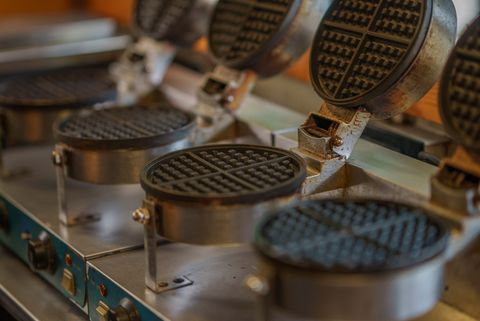
Commercial Waffle Maker Guide: Discover Designs, Uses, and Essential Features
Waffles are popular breakfast and dessert items served in restaurants, cafés, hotels, bakeries, food courts, and hospitality establishments. Their preparation requires consistent heating, controlled cooking time, and suitable equipment to achieve the desired texture, colour, and shape. A commercial waffle maker is designed to support these requirements in professional food preparation environments.
Unlike ordinary household appliances, commercial waffle makers are generally developed for frequent operation and repeated cooking cycles. They may include stronger heating elements, durable cooking plates, adjustable temperature controls, and construction suitable for busy kitchen environments.
A commercial waffle machine can prepare different waffle varieties depending on its plate design and operating features. Belgian waffles, classic round waffles, square waffles, and specialty-shaped waffles are common examples.
Understanding the available designs, uses, operating features, and maintenance requirements helps food businesses and kitchen professionals identify equipment that matches their preparation needs.
Importance of Commercial Waffle Makers in Food Businesses
Commercial waffle makers play an important role in food establishments where waffles are included in breakfast menus, dessert selections, buffet arrangements, or speciality food offerings.
Consistent food preparation: Temperature controls and standardised cooking settings help kitchen staff prepare waffles with more consistent results.
Repeated cooking cycles: Commercial equipment is generally designed to handle frequent use in comparison with basic household appliances.
Menu variety: Different cooking plates allow establishments to prepare waffles in multiple shapes, sizes, and styles.
Kitchen productivity: Equipment with suitable heating capacity and cooking arrangements can support organised food preparation during busy periods.
Professional presentation: Uniform shapes, browning, and texture can contribute to the visual presentation of prepared waffles.
Kitchen flexibility: Some models offer interchangeable plates or multiple cooking configurations, allowing kitchens to accommodate different recipes.
Types of Commercial Waffle Makers
Commercial waffle makers are available in several designs. Each type supports different cooking requirements, food presentation preferences, and kitchen arrangements.
1. Belgian Waffle Maker
Belgian waffle makers are designed to prepare thick waffles with deep pockets. These pockets can hold toppings such as fruit, cream, chocolate, syrup, and other dessert ingredients.
Common characteristics include:
Deep cooking grids.
Thick waffle preparation.
Adjustable temperature settings.
Non-stick or coated cooking surfaces.
Round and square plate configurations.
Belgian waffle makers are frequently used in cafés, hotels, dessert counters, and breakfast establishments.
2. Classic Waffle Maker
Classic waffle makers prepare thinner waffles with smaller grid patterns. They are suitable for traditional breakfast menus and food establishments that prefer a familiar waffle style.
Important characteristics include:
Shallow grid patterns.
Thin waffle preparation.
Compact cooking plate arrangements.
Straightforward operating controls.
Different shape and size options.
These machines can be useful in restaurants and breakfast kitchens where traditional waffles are regularly prepared.
3. Double Commercial Waffle Maker
A double commercial waffle maker contains two separate cooking units in one appliance. This arrangement allows kitchen staff to prepare multiple waffles during the same operating period.
Its common features include:
Two cooking plates or heating units.
Separate temperature controls in selected models.
Increased cooking capacity.
Independent operating arrangements in some designs.
Commercial-grade construction.
Double waffle makers can be suitable for busy restaurants, hotels, and food establishments with regular waffle preparation requirements.
4. Rotary Waffle Maker
Rotary waffle makers include a rotating cooking arrangement that allows the cooking plates to turn during preparation. This design helps distribute batter across the cooking grids.
Common features include:
Rotating cooking plates.
Handle-based or motor-assisted rotation.
Controlled cooking arrangements.
Uniform batter distribution.
Different temperature settings.
These machines are commonly associated with Belgian-style waffle preparation.
5. Industrial Waffle Maker
Industrial waffle makers are designed for environments with demanding and frequent food preparation requirements. They may be used in large food production facilities, institutional kitchens, and commercial food operations.
Their characteristics can include:
Heavy-duty construction.
High-capacity heating systems.
Strong cooking plate materials.
Temperature management features.
Construction intended for repeated operation.
The exact production capacity depends on the machine's design, cooking surface, heating power, and operating cycle.
6. Specialty Waffle Maker
Specialty waffle makers are designed to prepare waffles in specific shapes, patterns, and formats. They help food establishments create distinctive menu presentations.
Examples include:
Heart-shaped waffle makers.
Mini waffle makers.
Bubble waffle makers.
Stick waffle makers.
Character-shaped waffle makers.
These designs are commonly used in dessert outlets, bakeries, cafés, and speciality food counters.
Essential Features of a Commercial Waffle Machine
Selecting a suitable commercial waffle machine requires attention to several technical and operational features. The following characteristics influence cooking consistency, convenience, and equipment performance.
1. Temperature Control
Temperature control is one of the most important features of a professional waffle maker. Different waffle recipes may require different heating levels depending on batter ingredients, thickness, and desired browning.
Adjustable temperature controls allow kitchen staff to manage cooking conditions according to the recipe.
Some models include indicator lights or digital displays to show heating status and selected temperature settings.
2. Heating Element
Heating elements determine how the cooking plates reach and maintain the required temperature.
Commercial waffle machines may use heating systems designed to distribute heat across the cooking surface.
Important considerations include:
Heating power.
Temperature recovery between cooking cycles.
Heat distribution.
Operating stability.
Electrical requirements.
A suitable heating system can support consistent preparation during repeated cooking cycles.
3. Cooking Plate Material
Cooking plates directly contact the waffle batter and influence heat transfer, cleaning requirements, and overall equipment durability.
Common materials include cast aluminium, aluminium alloys, and cast iron, depending on the model.
Some cooking plates feature non-stick coatings that help reduce batter adhesion and simplify cleaning.
Kitchen operators should follow the manufacturer's instructions for cleaning and maintaining coated surfaces.
4. Non-Stick Cooking Surface
A non-stick cooking surface helps reduce the amount of batter that remains attached to the cooking plates.
Its potential benefits include:
Easier waffle removal.
Reduced food residue.
Simplified cleaning.
More convenient cooking operations.
However, non-stick surfaces require appropriate utensils and cleaning methods to prevent scratches or coating damage.
5. Timer and Automatic Controls
Some professional waffle makers include built-in timers, digital displays, and automatic alerts.
These controls help kitchen staff monitor cooking cycles and maintain standard preparation procedures.
Depending on the model, available controls may include:
Digital timers.
Audible cooking alerts.
Temperature displays.
Programmable settings.
Automatic heating adjustments.
These features can be particularly useful in kitchens where several food items are prepared simultaneously.
6. Construction and Durability
Commercial kitchen equipment is frequently exposed to heat, moisture, food residue, and repeated handling. Therefore, construction quality is an important selection factor.
Stainless steel is commonly used for external housing because it is relatively easy to clean and resistant to corrosion under suitable conditions.
Other important construction features include strong hinges, stable handles, reinforced frames, and durable cooking plates.
7. Electrical Requirements
Commercial waffle makers operate using different electrical configurations depending on their heating capacity and intended application.
Before selecting a machine, kitchen operators should review:
Rated voltage.
Electrical power consumption.
Plug and socket compatibility.
Circuit requirements.
Manufacturer installation instructions.
The equipment should be installed according to applicable electrical safety requirements.
Uses of Commercial Waffle Makers
Commercial waffle makers are used in different food preparation environments. Their applications depend on cooking capacity, machine design, and menu requirements.
Restaurants: Restaurants use waffle machines to prepare breakfast dishes, desserts, and speciality menu items.
Hotels: Hotels may include waffle preparation in breakfast buffets, room dining menus, and hospitality food arrangements.
Cafés: Cafés use professional waffle makers for freshly prepared waffles served with beverages, fruits, and dessert toppings.
Bakeries: Bakeries may use waffle machines to prepare different waffle varieties as part of their baked and dessert selections.
Food courts: Food court kitchens use commercial waffle machines to prepare individual portions and speciality waffle dishes.
Catering operations: Catering kitchens may use suitable commercial equipment for breakfast arrangements, events, and organised food preparation.
Institutional kitchens: Some institutional food facilities use commercial waffle makers for scheduled breakfast preparation and menu variety.
Commercial Waffle Maker vs Household Waffle Maker
Commercial and household waffle makers differ in construction, intended usage, and operating characteristics.
Feature | Commercial Waffle Maker | Household Waffle Maker |
|---|---|---|
Intended use | Professional kitchens | Home kitchens |
Construction | Often heavy-duty | Generally lightweight |
Operating frequency | Frequent cooking cycles | Occasional preparation |
Heating system | Designed for repeated use | Designed for domestic use |
Capacity | Single or multiple cooking units | Usually one cooking unit |
Controls | May include advanced settings | Often basic controls |
Size | Available in larger configurations | Usually compact |
Maintenance | Commercial cleaning requirements | Domestic cleaning requirements |
The appropriate choice depends on how frequently the appliance will be used and the amount of food preparation required.
How to Choose a Suitable Commercial Waffle Maker
Selecting a commercial waffle maker involves evaluating kitchen requirements, menu variety, equipment specifications, and available workspace.
Understand preparation volume: Estimate the number of waffles required during normal and busy operating periods. This helps determine whether a single or double waffle machine is suitable.
Identify waffle varieties: Different recipes require different plate patterns. Select cooking plates that match the desired waffle style.
Evaluate heating performance: Review the heating power, temperature range, and recovery characteristics between cooking cycles.
Check construction quality: Examine the cooking plates, outer housing, hinges, handles, and overall build.
Consider kitchen space: Measure the available counter area and ensure sufficient space for ventilation, operation, and cleaning.
Review electrical specifications: Confirm that the machine's voltage and power requirements match the kitchen's electrical arrangement.
Examine cleaning requirements: Look for accessible cooking surfaces, removable components where available, and clear maintenance instructions.
Review safety features: Consider heat-resistant handles, stable feet, electrical protection, and suitable operating indicators.
Understand warranty information: Review the manufacturer's warranty terms, coverage conditions, and maintenance recommendations.
Commercial Waffle Makers and Modern Kitchen Equipment
Modern food preparation environments increasingly depend on equipment that supports organised workflows and consistent cooking procedures. Commercial waffle makers are part of this broader development in restaurant kitchen equipment.
Several design improvements are influencing the development of professional waffle machines.
Digital Operating Controls
Digital displays and programmable controls can help kitchen staff manage temperature and cooking time more precisely.
Energy Management
Manufacturers continue to develop heating systems and appliance designs intended to manage energy consumption. Actual energy use depends on heating power, operating duration, insulation, and usage patterns.
Improved Cooking Surfaces
Developments in cooking plate materials and surface coatings aim to improve food release, heat transfer, and cleaning convenience.
Compact Commercial Designs
Some modern models combine commercial construction with space-conscious designs. These configurations can be useful in cafés and kitchens with limited counter space.
Multiple Cooking Configurations
Commercial waffle equipment is available with single, double, and speciality plate arrangements. Certain models also support interchangeable cooking plates.
These developments allow establishments to evaluate equipment according to their operational requirements rather than relying on a single standard configuration.
Cleaning and Maintenance Tips
Regular cleaning and maintenance are important for maintaining the condition, hygiene, and operating performance of commercial food equipment.
Switch off the machine: Turn off the appliance and disconnect the power supply according to the manufacturer's instructions before cleaning.
Allow cooling: Let the cooking plates cool to a safe temperature before handling or cleaning them.
Remove food residue: Use suitable cleaning tools to remove remaining batter and crumbs without damaging the cooking surface.
Clean the exterior: Wipe external surfaces using appropriate cleaning materials recommended by the manufacturer.
Avoid abrasive tools: Steel wool, sharp metal objects, and unsuitable chemicals may damage cooking plate coatings.
Inspect electrical components: Check cables, plugs, switches, and visible connections for signs of wear or damage.
Examine hinges and handles: Inspect moving components regularly to identify looseness or mechanical problems.
Follow maintenance schedules: Use the manufacturer's recommended cleaning and inspection procedures.
Maintain kitchen hygiene: Keep the surrounding preparation area clean and follow applicable food safety practices.
Recent Updates and Trends in Commercial Waffle Equipment (2025–2026)
Commercial food equipment continues to evolve as restaurants, cafés, hotels, and bakeries focus on operational consistency and kitchen organisation.
Some notable trends include:
Digital temperature management: Digital displays and programmable controls are becoming common features in modern commercial cooking appliances.
Speciality waffle formats: Food establishments continue to explore bubble waffles, mini waffles, waffle sticks, and other distinctive presentations.
Improved non-stick surfaces: Cooking surface developments aim to support convenient food release and cleaning.
Energy-conscious equipment design: Manufacturers are exploring heating systems and construction approaches intended to improve energy management.
Space-efficient kitchen equipment: Compact appliances are relevant for smaller cafés, food counters, and kitchens with limited workspace.
Automated cooking features: Timers, alerts, and programmable cooking functions can support standardised preparation procedures.
These trends reflect general equipment development. Specific capabilities vary between manufacturers and individual machine models.
Laws, Regulations, and Food Safety Considerations in India
Commercial waffle makers used in Indian food establishments should be selected and operated with attention to electrical safety, food hygiene, and applicable regulatory requirements.
Food Safety and Standards Act, 2006: This legislation establishes the framework for food safety and standards in India. Food businesses must follow applicable requirements for hygienic food handling and preparation.
FSSAI requirements: Food businesses covered by the Food Safety and Standards Authority of India must comply with applicable registration, licensing, and hygiene requirements.
Schedule 4 hygiene practices: Applicable hygiene and sanitation requirements under FSSAI regulations are relevant to food preparation areas, equipment cleanliness, and safe food handling.
Bureau of Indian Standards: Relevant BIS standards may apply to electrical appliances and particular equipment categories. Businesses should verify applicable product requirements and conformity information.
Electrical safety: Commercial waffle machines should be installed and operated according to manufacturer instructions and applicable electrical safety requirements.
Workplace safety: Kitchen staff should receive suitable operating instructions and understand precautions relating to hot surfaces, electrical connections, and cleaning procedures.
Regulatory applicability can vary according to the establishment, equipment category, and operating conditions. Businesses should refer to current official requirements when planning commercial kitchen operations.
Frequently Asked Questions (FAQs)
1. What is a commercial waffle maker?
A commercial waffle maker is a professional cooking appliance designed to prepare waffles in restaurants, cafés, hotels, bakeries, and other food establishments. It generally features commercial-grade construction and heating arrangements for frequent use.
2. What is the difference between an industrial waffle maker and a commercial waffle maker?
Commercial waffle makers are commonly used in restaurants and hospitality kitchens, while industrial waffle makers may be designed for more demanding or larger-scale food preparation environments. Their actual capabilities depend on the individual machine.
3. Which waffle maker is suitable for restaurants?
The appropriate restaurant waffle maker depends on preparation volume, available kitchen space, menu requirements, heating performance, and preferred waffle style. Single and double cooking configurations are common options.
4. What features should a professional waffle maker have?
Important features include adjustable temperature controls, suitable heating elements, durable cooking plates, a convenient cooking surface, stable construction, and appropriate safety features.
5. Are commercial waffle makers suitable for bakeries?
Yes. Commercial waffle makers can be used in bakeries to prepare Belgian waffles, classic waffles, mini waffles, and speciality varieties, depending on the cooking plate design.
6. How should a heavy-duty waffle maker be maintained?
Regular cleaning, careful removal of food residue, inspection of electrical components, and following manufacturer maintenance instructions help preserve the equipment's condition.
7. Can a commercial waffle machine prepare different waffle varieties?
Some machines support multiple waffle styles through interchangeable cooking plates or different available configurations. The preparation options depend on the model.
Conclusion
Commercial waffle makers are important appliances in professional food preparation environments, including restaurants, hotels, cafés, bakeries, and catering kitchens. They support the preparation of different waffle varieties through specialised cooking plates, heating systems, and temperature controls.
Understanding the differences between Belgian, classic, double, rotary, industrial, and speciality waffle makers helps food businesses identify suitable equipment for their kitchen requirements.
Features such as cooking plate material, heating performance, temperature control, construction quality, electrical specifications, and cleaning convenience should be considered before selecting a machine.
With appropriate equipment selection, regular maintenance, and proper food safety practices, commercial waffle makers can contribute to organised kitchen operations and consistent waffle preparation.

Related Post...

Classic Solitaire Engagement Rings Explained: Discover Popular Designs, Features, and Helpful Insights
Updated: November 23, 2026
Read More
Laser Hair Removal Guide: Explore Types, Benefits, Procedures, and Essential Tips
Updated: November 21, 2026
Read More
Woffer Processing Equipment Guide: Explore Types, Applications, and Essential Industry Insights
Updated: November 19, 2026
Read More