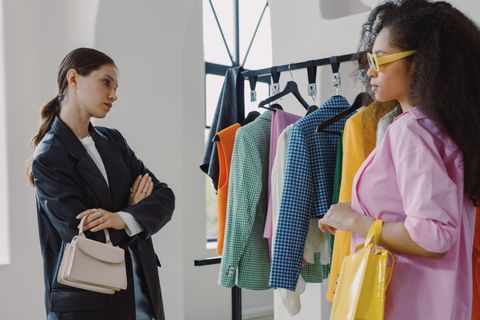
Discover Latest Women Fashion Trends: A Complete Guide to Modern Styles and Fashion Insights
Women's fashion continues to evolve through changing lifestyles, cultural influences, creative designs, and new approaches to personal expression. Clothing is no longer viewed only as a way to follow seasonal styles. It also reflects individual preferences, comfort, professional requirements, cultural identity, and everyday activities.
Modern women's clothing includes a wide variety of styles, from casual everyday outfits and business casual clothing to luxury fashion, designer dresses, and traditional ethnic wear. Fashion trends are influenced by international runways, social media, entertainment, regional traditions, and changing consumer preferences.
In 2026, fashion discussions increasingly include versatility, comfortable silhouettes, thoughtful wardrobe choices, sustainable materials, and a combination of traditional and contemporary designs. Understanding these developments can help individuals explore different clothing styles and identify trends that match their personal preferences.
This guide explores the latest women's fashion trends, popular clothing categories, modern outfit ideas, designer styles, and important considerations for understanding contemporary fashion.
Importance of Women's Fashion Trends
Fashion trends provide an overview of changing preferences in clothing, colours, fabrics, patterns, and silhouettes. They help people understand how clothing styles develop and how different influences shape modern wardrobes.
Personal expression: Clothing allows individuals to communicate their personality, preferences, and creative interests. Different colours, patterns, and silhouettes can create distinctive appearances.
Lifestyle adaptability: Modern wardrobes often include clothing for professional environments, social gatherings, travel, and everyday activities. Understanding current trends can help people explore versatile outfit combinations.
Cultural representation: Traditional clothing continues to influence contemporary fashion. Regional textiles, embroidery, prints, and silhouettes often appear in modern clothing collections.
Design innovation: Fashion trends introduce new combinations of materials, construction techniques, colours, and garment shapes.
Wardrobe planning: Understanding seasonal and long-term fashion trends can help individuals identify clothing categories that complement their existing wardrobes.
Latest Women's Fashion Trends in 2026
Women's fashion in 2026 reflects a combination of classic designs, contemporary silhouettes, expressive details, and comfort-focused clothing. Instead of following only one dominant style, modern fashion includes several different directions.
1. Minimalist Fashion
Minimalist fashion focuses on simple silhouettes, balanced colours, clean designs, and versatile clothing. It often includes garments that can be combined in different ways.
Common characteristics include:
Neutral colours such as beige, black, white, grey, and brown.
Simple dresses and tailored trousers.
Clean lines and understated patterns.
Structured shirts and lightweight layers.
Classic accessories with subtle details.
Minimalist clothing can be appropriate for everyday activities, professional settings, and casual occasions.
2. Relaxed and Comfortable Clothing
Comfort-focused fashion remains an important part of modern women's wardrobes. Relaxed clothing combines practical silhouettes with contemporary design details.
Popular examples include:
Wide-leg trousers.
Oversized shirts.
Relaxed-fit jeans.
Soft knitwear.
Loose-fitting dresses.
Comfortable co-ord sets.
These styles allow individuals to explore casual outfits without depending on complicated combinations.
3. Statement Dresses
Statement dresses feature distinctive silhouettes, colours, patterns, or design elements. They are commonly associated with celebrations, social events, formal gatherings, and special occasions.
Popular design elements include:
Asymmetrical necklines.
Draped fabrics.
Pleated details.
Sculpted silhouettes.
Floral and geometric patterns.
Decorative sleeves.
Women's designer dresses often incorporate specialised tailoring, fabric combinations, and detailed finishing.
4. Modern Power Dressing
Power dressing combines professional clothing with contemporary silhouettes and confident styling. Modern interpretations are often less restrictive than traditional formal wardrobes.
Common clothing choices include:
Tailored blazers.
Wide-leg formal trousers.
Coordinated suits.
Structured waistcoats.
Midi skirts.
Formal shirts and blouses.
These styles are frequently used in professional environments where a polished appearance is preferred.
5. Sustainable and Conscious Fashion
Sustainable fashion focuses on understanding the environmental and social considerations associated with clothing production and consumption.
Some commonly discussed approaches include:
Using recycled or responsibly sourced materials.
Supporting longer-lasting garment construction.
Exploring clothing made with natural fibres.
Reusing and repairing existing garments.
Choosing versatile wardrobe pieces.
Learning about manufacturing transparency.
Sustainable clothing brands may communicate different environmental commitments. Consumers should examine the specific materials, certifications, and production information rather than assuming that every sustainability claim has the same meaning.
Popular Categories of Women's Clothing
Women's clothing includes several categories designed for different occasions, environments, and personal preferences.
1. Women's Casual Wear
Casual wear focuses on comfort, flexibility, and everyday practicality. It includes clothing suitable for informal gatherings, shopping, travel, and routine activities.
Popular casual clothing styles include:
T-shirts and casual tops.
Denim jeans.
Cotton dresses.
Relaxed trousers.
Casual skirts.
Sweatshirts and lightweight jackets.
Women's casual wear trends often combine simple clothing with interesting textures, colours, and accessories.
2. Business Casual Outfits for Women
Business casual clothing combines professional appearance with a more relaxed approach to traditional office dressing.
Common outfit combinations include:
Tailored trousers with formal shirts.
Midi skirts with structured blouses.
Blazers with straight-fit trousers.
Knee-length dresses with lightweight jackets.
Neutral-coloured tops with formal pants.
Business casual outfits for women can vary depending on workplace expectations, industry, climate, and organisational dress guidelines.
3. Luxury Women's Fashion
Luxury women's fashion is associated with specialised craftsmanship, distinctive design, carefully selected materials, and established fashion houses.
Common elements include:
Detailed garment construction.
Premium fabric selection.
Recognisable design aesthetics.
Structured silhouettes.
Limited or specialised collections.
Carefully finished decorative elements.
Luxury fashion brands for women often develop collections that combine traditional craftsmanship with modern design influences.
4. Women's Ethnic Wear
Ethnic wear represents cultural traditions through fabrics, embroidery, patterns, garment shapes, and decorative techniques.
Popular categories include:
Sarees.
Salwar kameez.
Anarkali suits.
Lehengas.
Kurta sets.
Indo-western outfits.
Women's ethnic wear trends often combine traditional craftsmanship with contemporary cuts, modern colour palettes, and lightweight materials.
In India, regional textiles and embroidery techniques continue to influence modern ethnic clothing. Banarasi weaving, Chikankari embroidery, Bandhani patterns, and handloom fabrics are examples of traditional design influences.
5. Women's Designer Dresses
Designer dresses include clothing created with distinctive silhouettes, fabric choices, construction methods, and decorative details.
Some popular categories are:
Evening gowns.
Cocktail dresses.
Midi dresses.
Maxi dresses.
A-line dresses.
Bodycon dresses.
Shirt dresses.
Different dress styles can suit different occasions and preferences. Fabric, length, neckline, and fit are important considerations when understanding their overall appearance.
Popular Colours, Fabrics, and Patterns in 2026
Colour and fabric choices are important parts of fashion development. They influence how garments look, feel, and fit into different wardrobes.
Popular Colour Directions
Modern women's clothing includes a mix of understated and expressive colour palettes.
Some widely used colour categories include:
Earthy shades such as olive, brown, and terracotta.
Neutral shades such as beige, cream, and grey.
Pastel shades such as lavender, blush pink, and mint.
Deep colours such as burgundy, navy, and forest green.
Bright shades used for statement clothing.
Colour preferences can vary by season, region, occasion, and individual style.
Popular Fabric Choices
Fabric selection influences comfort, appearance, movement, and garment maintenance.
Fabric | Common Characteristics | Typical Clothing |
|---|---|---|
Cotton | Breathable and versatile | Shirts, dresses, kurtas |
Linen | Lightweight and textured | Summer outfits, trousers |
Silk | Smooth and often lustrous | Sarees, dresses, formal wear |
Wool | Provides warmth | Sweaters, coats |
Denim | Structured and durable | Jeans, jackets |
Chiffon | Lightweight and flowing | Dresses, dupattas |
Satin | Smooth surface and sheen | Evening wear, blouses |
Recycled polyester | Synthetic fibre made partly from recycled material | Activewear, casual clothing |
The suitability of a fabric depends on its construction, quality, climate, and intended use.
Popular Fashion Patterns
Patterns add visual interest and help create different clothing aesthetics.
Some commonly recognised patterns include:
Floral prints.
Stripes.
Polka dots.
Geometric designs.
Abstract prints.
Animal-inspired patterns.
Traditional ethnic motifs.
Simple patterns are often used in everyday clothing, while more detailed designs frequently appear in festive and statement garments.
Online Clothing Shopping: Important Considerations
Women's clothing online has become an important part of the modern fashion landscape. Digital platforms allow consumers to explore different styles, compare garment specifications, and understand available clothing categories.
However, selecting clothing online requires attention to several details.
Size charts: Different brands may follow different sizing systems. Checking garment measurements can help identify an appropriate size.
Fabric information: Read material descriptions to understand texture, breathability, stretch, and care requirements.
Product images: Examine available photographs to understand garment construction, colours, patterns, and design details.
Fit information: Look for details about garment length, silhouette, sleeve style, and model measurements where available.
Return and exchange policies: Review the applicable policies before completing an online purchase.
Customer feedback: Product reviews may provide useful information about sizing, fabric quality, and garment appearance. However, individual experiences can differ.
Online clothing shopping provides access to a wide range of fashion categories, but product descriptions and measurements should always be reviewed carefully.
How to Develop a Modern Women's Wardrobe
A modern wardrobe does not need to include every popular fashion trend. It can be developed by understanding personal preferences, lifestyle requirements, and clothing combinations.
Identify personal style: Consider whether you prefer minimalist, classic, casual, traditional, formal, or experimental clothing.
Understand lifestyle requirements: Different wardrobes may require clothing for office environments, daily activities, social gatherings, travel, or cultural events.
Explore versatile garments: Items such as neutral shirts, tailored trousers, denim jeans, and simple dresses can be combined in multiple ways.
Consider seasonal requirements: Fabric weight, breathability, layering, and garment length can influence comfort across different seasons.
Balance colours and patterns: Combining neutral clothing with selected statement pieces can create different outfit combinations.
Focus on fit: Clothing should provide suitable movement and comfort. Correct measurements can make a significant difference to the overall appearance of an outfit.
Understand garment care: Washing instructions, ironing requirements, and fabric maintenance can influence how clothing performs over time.
Recent Fashion Industry Developments in 2025–2026
The women's fashion industry continues to experience changes influenced by technology, design innovation, consumer preferences, and sustainability discussions.
Digital Fashion and Artificial Intelligence
Artificial intelligence and digital tools are increasingly discussed in fashion design, product visualisation, trend analysis, and online retail experiences.
Some applications include digital garment previews, personalised style recommendations, virtual fitting tools, and automated inventory analysis.
These technologies can influence how fashion collections are developed and presented.
Greater Attention to Clothing Longevity
Clothing longevity has become an important discussion in modern fashion. Consumers and industry participants increasingly examine garment durability, material quality, repair options, and wardrobe versatility.
This approach encourages a broader understanding of clothing beyond short-term trends.
Contemporary Traditional Clothing
Traditional clothing continues to influence contemporary designs. Designers frequently combine cultural embroidery, regional textiles, and traditional silhouettes with modern cuts and styling.
This combination is especially visible in Indian ethnic fashion.
Growth of Digital Fashion Communities
Social media platforms, fashion creators, and online communities influence how people discover clothing styles and interpret fashion trends.
Digital fashion content also makes international styles more visible to audiences across different countries.
Changing Approaches to Professional Clothing
Workplace fashion continues to include a broader range of business casual combinations. Relaxed tailoring, coordinated sets, versatile dresses, and comfortable formal separates are common elements of modern professional wardrobes.
These developments reflect wider fashion directions rather than fixed rules that every individual or brand follows.
Laws and Policies Related to the Fashion Industry in India
The fashion and clothing industry in India operates within several consumer protection, product labelling, intellectual property, and environmental frameworks.
Consumer Protection Act, 2019: This legislation establishes consumer rights and addresses issues such as misleading advertisements, defective products, and unfair trade practices.
Legal Metrology Act, 2009: The framework regulates weights, measurements, and declarations on packaged commodities. Applicable clothing-related declarations may include manufacturer or importer details, country of origin, and other required information depending on the product and packaging.
Bureau of Indian Standards: BIS develops standards for various products and materials. Specific standards may apply to certain textile and clothing categories.
Trade Marks Act, 1999: This legislation provides a framework for protecting registered trademarks, including brand names and logos used in the fashion industry.
Copyright Act, 1957: Copyright protection may apply to eligible original artistic works, textile designs, illustrations, and other creative material, subject to applicable legal requirements.
Environmental regulations: India's environmental framework includes rules concerning plastic waste, packaging, and other environmental responsibilities. Their application depends on the relevant material, activity, and regulatory requirements.
Understanding these frameworks can help consumers and fashion businesses learn about product information, intellectual property, and responsible industry practices.
Frequently Asked Questions (FAQs)
1. What are the latest women's fashion trends in 2026?
Major fashion directions include minimalist clothing, relaxed silhouettes, contemporary ethnic wear, statement dresses, tailored business casual outfits, and greater attention to clothing longevity.
2. Which clothing styles are suitable for everyday wear?
Everyday clothing may include cotton dresses, denim jeans, casual tops, relaxed trousers, shirts, and comfortable co-ord sets. The most suitable options depend on personal preferences, climate, and daily activities.
3. What are business casual outfits for women?
Business casual outfits combine professional and relaxed clothing. Common examples include tailored trousers, formal shirts, blazers, midi skirts, and structured dresses.
4. What is the difference between luxury fashion and premium women's clothing?
Luxury fashion is generally associated with established design identities, specialised craftsmanship, and distinctive collections. Premium clothing is a broader category that may focus on material quality, construction, and finishing.
5. What should consumers check when exploring women's clothing online?
Consumers should review size charts, fabric details, garment measurements, product images, customer feedback, and applicable return policies.
6. What are popular women's ethnic wear categories in India?
Popular categories include sarees, salwar kameez, lehengas, Anarkali suits, kurta sets, and Indo-western clothing.
7. What does sustainable fashion mean?
Sustainable fashion refers to approaches that consider environmental and social impacts across clothing design, production, use, and disposal. Examples include durable garments, recycled materials, repair, reuse, and greater supply-chain transparency.
Conclusion
Women's fashion in 2026 reflects a combination of contemporary designs, traditional influences, comfort-focused clothing, and changing lifestyle preferences. From minimalist outfits and business casual clothing to luxury women's fashion and ethnic wear, modern wardrobes offer a wide variety of styles.
Understanding fabric types, colours, garment construction, and clothing categories can help individuals explore fashion more effectively. Online clothing shopping has also made different styles and design influences more accessible, while digital technology continues to shape fashion discovery and presentation.
Whether exploring designer clothes for women, premium women's clothing, casual wear, or sustainable clothing brands, personal comfort, appropriate fit, and individual preferences remain important considerations.
Fashion is an evolving form of personal and cultural expression. Learning about its latest developments can help individuals understand modern clothing styles and make more informed wardrobe choices.
Disclaimer: This article is intended for general informational and educational purposes only. It does not constitute professional, commercial, or purchasing advice. The website does not sell or promote any particular clothing brand, product, or service, and no specific results or outcomes are guaranteed.
Related Post...
Latest Women Clothing Trends Overview: Learn About Fashion Styles, Seasonal Looks, and Outfit Ideas
Updated: November 27, 2026
Read More
Latest Women Fashion Guide: Explore Trending Styles, Outfit Ideas, and Essential Fashion Tips
Updated: November 27, 2026
Read More
Semiconductor Company Guide: Explore Industry Types, Technologies, and Key Insights
Updated: November 26, 2026
Read More