Electric Power Maintenance: A Complete Guide to Electrical Systems and Safety
Electric power maintenance involves inspecting, testing, monitoring, and maintaining electrical equipment to support safe and reliable operation. It covers the systems that generate, distribute, control, and use electricity in residential buildings, commercial properties, industrial facilities, and infrastructure projects.
Electrical systems contain many interconnected components, including transformers, circuit breakers, distribution panels, cables, motors, generators, protective devices, and earthing arrangements. Each component performs a specific function, and a fault in one area can affect other parts of the system.
Regular maintenance helps identify developing problems before they cause equipment damage, unexpected interruptions, or electrical hazards. It also helps organizations understand the condition of their electrical infrastructure and plan necessary repairs or replacements.
What Does Electrical Maintenance Include?
Electrical maintenance includes several activities designed to keep equipment in appropriate operating condition.
Visual inspections: Checking equipment for visible damage, corrosion, overheating, loose components, or unusual discoloration.
Electrical testing: Measuring electrical characteristics and checking whether equipment operates within specified limits.
Preventive maintenance: Performing scheduled inspections and maintenance tasks to reduce the likelihood of failures.
Corrective maintenance: Addressing identified defects or equipment problems.
Predictive maintenance: Using measurements and condition-monitoring data to identify signs of developing faults.
Safety assessments: Reviewing protective devices, earthing arrangements, electrical access controls, and operating procedures.
The appropriate maintenance approach depends on the equipment, its operating environment, manufacturer recommendations, applicable regulations, and the consequences of failure.
Electrical work can involve dangerous voltages, arc flash hazards, fire risks, and unexpected equipment movement. Inspection and repair of electrical installations should therefore be conducted by appropriately qualified personnel using suitable safety procedures.
Why Electric Power Maintenance Matters Today
Electricity supports manufacturing, communication, healthcare, transportation, education, retail, and many other activities. Modern facilities depend on electrical equipment to operate machinery, lighting, heating and cooling systems, computers, security equipment, and essential infrastructure.
When electrical systems malfunction, the effects may extend beyond a single damaged component. An interruption can stop production, affect building operations, damage connected equipment, or compromise critical activities.
A structured electrical power maintenance program helps organizations identify risks, maintain equipment condition, and prepare for potential disruptions.
Key Benefits of Electrical Maintenance
Improved electrical safety: Regular inspections can identify damaged insulation, exposed conductors, deteriorated connections, and problems with protective devices.
Reduced unexpected interruptions: Identifying developing faults may help prevent sudden equipment failures and unplanned shutdowns.
Equipment reliability: Appropriate maintenance supports the dependable operation of motors, transformers, switchgear, and distribution panels.
Better energy management: Electrical measurements can reveal poor power quality, phase imbalance, inefficient equipment operation, and other issues that warrant investigation.
Longer equipment life: Operating equipment within its specified conditions and addressing defects appropriately can reduce avoidable deterioration.
Improved maintenance planning: Inspection records and test results help facility managers prioritize repairs and plan equipment replacements.
These benefits depend on the quality of the maintenance program and the condition of the electrical installation. Maintenance cannot eliminate every failure or guarantee uninterrupted power, but it can help identify and manage important risks.
Where Electrical Maintenance Is Commonly Used
| Environment | Typical electrical equipment | Maintenance priorities |
|---|---|---|
| Manufacturing plants | Motors, control panels, switchgear | Equipment condition and operational safety |
| Commercial buildings | Distribution boards, lighting, backup power | Electrical protection and reliable operation |
| Hospitals | Emergency power systems and distribution panels | Continuity of critical electrical supplies |
| Data centers | UPS systems, transformers, backup generators | Power availability and equipment monitoring |
| Warehouses | Lighting circuits, distribution panels, motors | Safe operation and fault prevention |
| Renewable energy installations | Inverters, transformers, cables | Electrical performance and connection integrity |
Each environment has different operational requirements. For example, a hospital may need carefully coordinated backup power arrangements, while a manufacturing plant may focus on motor performance and the safe operation of production equipment.
Types of Electrical Maintenance
Different maintenance methods address different stages of equipment deterioration. Many organizations combine multiple approaches rather than relying on one method for every electrical component.
Preventive Electrical Maintenance
Preventive maintenance involves performing inspections and maintenance activities according to a planned schedule or defined operating criteria.
Typical activities include checking protective devices, examining cable insulation, inspecting electrical connections, reviewing equipment ventilation, and verifying maintenance records.
The schedule should reflect manufacturer guidance, operating conditions, equipment criticality, environmental exposure, and applicable standards. Equipment operating in dusty, humid, corrosive, or high-temperature environments may require different attention from equipment operating in controlled indoor conditions.
Preventive maintenance is useful because it establishes a consistent process for identifying defects and documenting the condition of electrical assets.
Predictive Electrical Maintenance
Predictive maintenance uses equipment condition data to identify developing problems and estimate when further investigation or maintenance may be appropriate.
Common techniques include:
Thermographic inspection: Identifying unusual temperature patterns that may indicate loose connections, excessive resistance, or uneven loading.
Vibration analysis: Monitoring rotating equipment such as motors for mechanical abnormalities that may affect electrical performance.
Power quality monitoring: Evaluating voltage variations, harmonics, phase imbalance, and other electrical characteristics.
Insulation condition testing: Assessing insulation resistance or other properties using appropriate test methods.
Continuous monitoring: Collecting operating measurements from equipment sensors and monitoring systems.
These techniques can support maintenance planning, but readings require interpretation. An unusual temperature or measurement does not automatically establish the cause of a fault.
Corrective Maintenance
Corrective maintenance takes place when an identified defect or failure requires action.
Examples include replacing damaged cables, repairing a faulty control circuit, correcting a defective connection, or replacing a malfunctioning protective device.
The cause of the problem should also be investigated when appropriate. Replacing a failed component without addressing the underlying issue may allow the same fault to recur.
Corrective work should follow suitable isolation, verification, testing, and commissioning procedures before equipment returns to operation.
Emergency Maintenance
Emergency maintenance addresses urgent electrical problems that create immediate safety risks or disrupt essential operations.
Examples include electrical burning smells, visible arcing, smoke from equipment, severe overheating, or a sudden failure of critical electrical infrastructure.
Personnel should follow the site's emergency procedures, keep people away from dangerous equipment, and contact qualified electrical professionals or emergency responders as appropriate. People should never touch exposed conductors or attempt to investigate energized equipment without the necessary qualifications and safety controls.
Electrical Testing and Inspection: Essential Procedures
Electrical testing and inspection help determine whether an installation and its components meet relevant safety and performance requirements.
The scope of an inspection depends on the installation type, equipment specifications, applicable standards, previous findings, and the reason for testing.
Common Electrical Tests
Insulation resistance testing: Measures insulation resistance using a suitable test instrument. It can help identify insulation deterioration, contamination, or moisture-related problems. The equipment must be appropriately isolated, and connected electronics may require disconnection before testing.
Earth continuity testing: Checks whether designated protective conductors provide the required electrical continuity.
Earth electrode resistance testing: Evaluates the resistance associated with an earthing electrode using a method suitable for the installation.
Protective device testing: Checks the operation and characteristics of applicable circuit breakers, residual-current devices, relays, and other protective equipment.
Power quality analysis: Measures characteristics such as voltage, current, frequency, harmonics, and phase imbalance.
Thermographic inspection: Uses thermal imaging to identify abnormal temperature patterns without direct contact with the inspected surfaces.
Not every test is appropriate for every installation. Testing methods and acceptance criteria should follow relevant standards, manufacturer instructions, and the requirements of qualified electrical personnel.
Electrical Inspection Checklist
| Inspection area | What to examine | Purpose |
|---|---|---|
| Distribution panels | Enclosures, labels, visible damage | Identify visible defects and improve identification |
| Cables and wiring | Insulation condition and cable routing | Identify damage and unsuitable installation conditions |
| Earthing arrangements | Protective conductors and connections | Support fault protection |
| Circuit breakers | Ratings, condition, and test results | Verify appropriate protection |
| Transformers | Temperature indicators, connections, and condition | Identify potential operational issues |
| Backup power systems | Batteries, connections, alarms, and operating records | Assess readiness for intended operation |
| Electrical documentation | Drawings, test reports, and maintenance logs | Support traceability and planning |
This checklist is a general guide rather than a substitute for a complete inspection standard. Qualified personnel should determine the appropriate scope for the specific installation.
Industrial and Commercial Electrical Systems
Industrial and commercial electrical systems vary in scale, complexity, and operating conditions. Industrial facilities may contain high-power motors, process control systems, transformers, switchgear, and specialized equipment. Commercial buildings often contain lighting circuits, air-conditioning systems, elevators, emergency lighting, and backup power infrastructure.
Industrial Electrical Contractors and Technical Expertise
Industrial electrical contractors may work on installation, inspection, maintenance, testing, and upgrades of electrical infrastructure. Their work can involve complex systems where incorrect procedures may create serious safety hazards.
When evaluating technical expertise, organizations should consider relevant qualifications, experience with the equipment, familiarity with applicable standards, documented safety procedures, and the ability to provide appropriate inspection records.
For high-voltage equipment and specialized industrial installations, the required authorizations and competencies depend on the applicable rules and work involved.
Commercial Electrical Systems
Commercial electrical maintenance focuses on the safe and reliable operation of electrical infrastructure in offices, shopping centers, hotels, educational buildings, and other occupied properties.
Typical considerations include:
Distribution board condition and circuit identification.
Lighting and emergency lighting operation.
Earthing and protective device condition.
Electrical loads associated with heating, ventilation, and air conditioning.
Backup generators and uninterruptible power supplies.
Electrical equipment in areas exposed to moisture or heavy public use.
Building managers should maintain accurate electrical drawings and records of modifications. Unrecorded changes can make fault diagnosis more difficult and increase the risk of unsafe work.
Electrical Safety Consulting and Risk Management
Electrical safety consulting involves assessing electrical hazards, reviewing safety procedures, and helping organizations identify improvements in their electrical risk management practices.
A safety assessment may examine electrical installations, work procedures, protective equipment, training records, emergency arrangements, and compliance documentation.
Important Electrical Safety Practices
Isolation and lockout/tagout: Before maintenance begins, appropriate energy sources must be isolated and secured against unexpected re-energization. Workers must verify the absence of voltage using suitable equipment and procedures.
Personal protective equipment: Appropriate protective equipment may include insulated gloves, eye protection, arc-rated clothing, and other items selected according to the hazard assessment.
Restricted access: Electrical rooms, switchgear, and high-voltage installations should have suitable access controls and warning signs.
Safe working distances: Personnel must follow the required approach distances and work boundaries for the voltage and task.
Emergency preparation: Facilities should establish procedures for electrical incidents, evacuation, emergency communication, and appropriate first response.
Training and authorization: Personnel should receive training appropriate to their assigned duties and should not perform electrical work beyond their competence or authorization.
Personal protective equipment is not a replacement for safe isolation, proper engineering controls, or established working procedures. Electrical hazards must be assessed before work begins.
Recent Developments in Electrical Maintenance
Electrical infrastructure continues to evolve as organizations adopt condition monitoring, digital inspection records, renewable energy, and battery energy storage systems. Regulatory updates also influence electrical safety planning.
Digital Monitoring and Predictive Maintenance
During 2025 and 2026, condition monitoring and digital maintenance tools continued to be relevant to electrical asset management. Sensors and monitoring platforms can help track temperatures, electrical loads, equipment alarms, and other operating characteristics.
Digital monitoring may help maintenance teams identify abnormalities sooner, but sensor readings must be validated and interpreted appropriately. Monitoring systems also require maintenance, reliable data, and suitable procedures for responding to alerts.
Battery Energy Storage Systems
Battery energy storage systems are increasingly relevant to electrical infrastructure because they can store electricity for later use and support specific power management applications.
On 27 March 2026, the Central Electricity Authority notified the Central Electricity Authority (Measures relating to Safety and Electric Supply) Amendment Regulations, 2026. The amendment includes provisions defining battery energy storage systems and battery management systems, with commencement specified for 1 April 2027. These requirements should be read alongside the full notified regulations.
For maintenance planning, battery installations introduce considerations involving electrical isolation, temperature monitoring, battery management, fire risk, and manufacturer-specific maintenance procedures.
Updated Electrical Safety Information
The Central Electricity Authority maintains official regulations and safety information for electrical installations and electric supply systems. Its published material includes the 2023 safety regulations and the 2026 amendment. Organizations should consult the applicable versions and verify effective dates before updating internal procedures.
These developments highlight the importance of reviewing maintenance plans as equipment, operating environments, and regulatory requirements change.
Electrical Safety Laws and Standards in India
Electrical maintenance in India is affected by legislation, technical standards, and applicable state-level requirements. The precise obligations depend on the installation, voltage level, type of equipment, and work being undertaken.
Electricity Act, 2003
The Electricity Act, 2003, establishes the legislative framework for the electricity sector in India. It includes provisions relevant to electrical safety and empowers the Central Electricity Authority to make regulations within its statutory responsibilities.
Organizations should consider the Act alongside applicable regulations, state requirements, and other relevant laws.
Central Electricity Authority Safety Regulations
The Central Electricity Authority (Measures relating to Safety and Electric Supply) Regulations, 2023, establish safety requirements concerning electrical installations and electric supply. They address matters relevant to the construction, installation, protection, operation, and maintenance of electrical systems.
Depending on the installation and applicable provisions, organizations may need to address personnel competency, protective equipment, inspection requirements, operating procedures, and electrical incident prevention.
Indian Standard IS 732:2019
The Bureau of Indian Standards identifies IS 732:2019 as the code of practice for electrical wiring installations. Its scope includes the design, selection, installation, and verification of wiring installations in buildings.
The standard was reviewed in 2024, according to the BIS standards database. Its application should be considered alongside relevant regulations and other applicable technical standards.
Practical Compliance Considerations
Organizations managing electrical installations should maintain appropriate records, including:
Electrical drawings and equipment identification.
Inspection reports and test results.
Maintenance schedules and completed work records.
Protective device information and relevant test documentation.
Records of defects and corrective actions.
Personnel training and authorization records.
Emergency procedures and relevant incident reports.
A maintenance record does not by itself establish legal compliance. Facilities should confirm applicable requirements with qualified electrical professionals and the relevant authorities.
Frequently Asked Questions
1. What is electric power maintenance?
Electric power maintenance involves inspecting, testing, monitoring, and maintaining electrical equipment and installations. Its purpose is to support safe operation, identify developing faults, and maintain equipment reliability.
2. How often should electrical systems be inspected?
Inspection frequency depends on equipment type, operating conditions, applicable regulations, manufacturer recommendations, and the consequences of failure. Critical or harsh operating environments may require more frequent checks than less demanding installations.
3. What is the difference between preventive and predictive electrical maintenance?
Preventive maintenance follows planned schedules or defined criteria. Predictive maintenance uses equipment condition data, such as temperature measurements and electrical readings, to identify developing problems and guide maintenance decisions.
4. Why are electrical testing and inspection important?
Testing and inspection can help identify insulation problems, defective connections, inadequate protective arrangements, and other electrical hazards. The findings support corrective action and help establish whether equipment meets applicable requirements.
5. Which electrical safety rules apply in India?
Relevant requirements can include the Electricity Act, 2003, the Central Electricity Authority safety regulations, applicable Indian Standards, and state-level electrical rules. The exact obligations depend on the installation and the work involved.
Conclusion
Electric power maintenance is an essential part of managing electrical infrastructure in industrial facilities, commercial buildings, and other environments that depend on reliable electricity. Regular inspections, appropriate testing, preventive maintenance, and effective fault management help organizations understand equipment condition and address electrical risks.
Industrial and commercial electrical systems require maintenance approaches suited to their equipment, operating conditions, and safety requirements. Methods such as insulation testing, thermographic inspection, protective device testing, and condition monitoring can support informed maintenance decisions when applied correctly.
In India, electrical maintenance planning should also consider the Electricity Act, applicable Central Electricity Authority regulations, relevant BIS standards, and state-level requirements. Keeping accurate records and using appropriately qualified personnel helps support consistent and responsible electrical safety practices.
As electrical infrastructure incorporates more digital monitoring, renewable energy, and battery storage, maintenance procedures will continue to evolve. A structured approach that combines technical knowledge, risk assessment, equipment monitoring, and regulatory awareness can help maintain electrical systems safely and reliably.

Related Post...

Virtual Reality Necklace Galleries: A Complete Guide to Digital Jewelry Experiences
Updated: October 27, 2026
Read More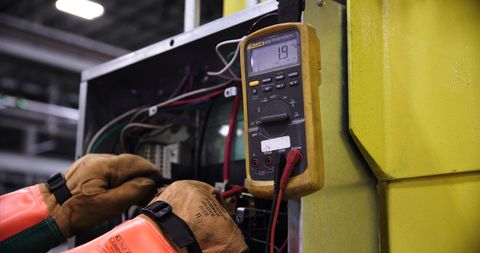
Electric Power Maintenance: A Complete Guide to Electrical Systems and Safety
Updated: October 27, 2026
Read More
Smart Contracts for Jewels: A Complete Guide to Digital Jewelry Transactions and Security
Updated: October 27, 2026
Read More