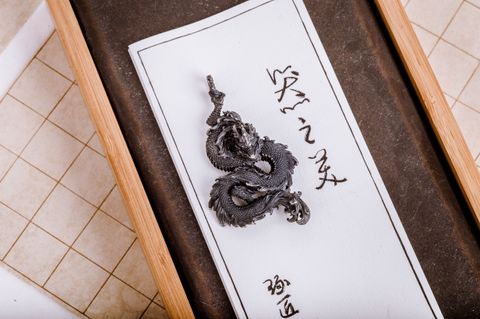
NFT Custom Pendant Designs: A Complete Guide to Digital Art and Jewelry
Jewelry design has evolved alongside changes in art, manufacturing, and digital technology. Traditional pendants are created using materials such as gold, silver, platinum, gemstones, and other decorative elements. Digital technology introduces another dimension by allowing artwork, personal symbols, and digital ownership records to become part of the design process.
NFT custom pendant designs combine ideas from digital art, jewelry craftsmanship, and blockchain technology. An NFT, or non-fungible token, is a digital token designed to represent a distinct item or record on a blockchain. Depending on how it is created, an NFT may reference digital artwork, a collectible, or information associated with a physical object.
In jewelry, an NFT may represent a digital pendant design, document an item's provenance, or connect a physical pendant with a digital artwork. These applications are different from one another, so understanding the relationship between the physical jewelry and the digital record is important.
What Is NFT Jewelry?
NFT jewelry refers broadly to jewelry concepts that incorporate non-fungible tokens or blockchain-based digital records. The term can describe several different approaches.
Digital jewelry: Artwork or virtual accessories designed for digital environments, avatars, or online identities.
Physical NFT-linked jewelry: A physical pendant or other jewelry item connected to a digital token or digital artwork.
Blockchain-authenticated jewelry: Jewelry accompanied by a blockchain record intended to document information such as provenance or product history.
Personalized digital pendants: Digital artwork created around an individual's initials, symbols, photographs, or preferred visual style.
Digital collectible jewelry: A virtual jewelry design represented by a digital collectible that may be displayed in compatible digital environments.
These categories can overlap, but they are not interchangeable. A physical pendant does not automatically become an NFT simply because it has a digital image. Likewise, owning an NFT does not automatically establish legal ownership of the physical jewelry or copyright in the associated artwork.
How Custom NFT Pendant Designs Work
A custom NFT pendant project may begin with an idea, such as a family symbol, a geometric pattern, a crown, an abstract illustration, or a personalized digital portrait.
The artwork is then developed into a digital design. Depending on the intended result, the design may be used to create a physical pendant, a virtual jewelry model, or both.
When an NFT is involved, a token may be created on a blockchain and associated with the artwork or a record describing the physical object. The token's metadata can contain information about the item, although some information may be stored externally rather than directly on the blockchain.
The physical pendant, digital artwork, token, and intellectual property rights should therefore be treated as separate components unless an agreement clearly connects them.
Why NFT Jewelry Matters in Modern Custom Design
NFT jewelry brings together two creative fields: physical jewelry making and digital art. It allows designers to explore forms that may be difficult to reproduce directly in metal or gemstones while creating additional ways to document a design's history.
For individuals interested in personalized jewelry, digital tools can help visualize shapes, experiment with proportions, and compare alternative designs before physical production begins.
The technology can also support digital collectibles and records associated with specific pieces. However, its usefulness depends on the quality of the design, the reliability of the records, the security of the underlying systems, and the needs of the intended user.
Key Benefits of Digital Art Jewelry
Personalization: Digital artwork can incorporate initials, meaningful dates, symbols, patterns, and other individual details. These elements can be adapted to the physical pendant's dimensions and construction requirements.
Design flexibility: Digital illustrations and three-dimensional modeling tools allow designers to explore different shapes, textures, and arrangements before creating a physical object.
Digital provenance records: A blockchain record may help document certain events associated with a pendant, such as its registration or transfer between recorded accounts. The accuracy of the original information still depends on how it was entered and verified.
Creative experimentation: Artists can develop digital jewelry concepts that use animated effects, unusual geometry, or visual elements that cannot be reproduced in a conventional physical pendant.
Digital and physical collections: Some projects connect a physical jewelry piece with digital artwork that can be displayed in compatible applications or online environments.
Design documentation: Digital files can preserve information about the original artwork, measurements, and design revisions, depending on how the project is managed.
These benefits do not guarantee authenticity, investment value, or increased demand. An NFT's practical usefulness depends on its purpose, implementation, and the rights associated with it.
Popular Types of NFT Custom Pendant Designs
NFT pendant concepts can draw inspiration from traditional jewelry, contemporary art, digital illustration, and computer-generated patterns. The most suitable approach depends on whether the intended result is a physical pendant, a virtual accessory, or a combination of both.
Geometric and Abstract Pendants
Geometric pendants use shapes such as circles, triangles, hexagons, and interlocking forms. Digital modeling makes it possible to experiment with symmetry, spacing, depth, and layered structures.
Abstract designs may use irregular patterns, flowing lines, or combinations of shapes to create an original visual identity.
For physical jewelry, the designer must consider material thickness, structural strength, comfort, and the limitations of the manufacturing process. A complex digital shape may need modification before it can be made safely in metal.
Personalized Symbol Pendants
A personalized pendant can incorporate initials, family emblems, meaningful dates, or other symbols. Digital artwork provides a convenient way to test different arrangements and compare designs.
For example, a designer might create a pendant featuring two initials surrounded by a geometric frame. A digital version can be adjusted until the proportions and layout are suitable for physical production.
If the design uses a family crest, company logo, photograph, or existing artwork, the creator should consider whether permission is needed to reproduce it.
Luxury-Inspired Digital Pendants
Luxury-inspired custom jewelry often emphasizes proportion, surface finish, gemstone placement, and material details. Digital design tools allow these features to be visualized before a physical piece is made.
A digital model might show how a gold pendant would appear with a polished surface, engraved lines, or gemstone settings. These visualizations are useful for planning, but a digital rendering does not establish the quality of the finished physical object.
Descriptions should distinguish between proposed materials and materials actually used. A digital image depicting diamonds, for example, does not prove that a physical pendant contains diamonds.
Virtual and Animated Jewelry
Digital jewelry may include animated pendants, changing colors, moving patterns, or three-dimensional objects designed for avatars and virtual environments.
These pieces exist primarily as digital assets. Their appearance and usability depend on the software, platform, file format, and rendering capabilities that support them.
A virtual pendant may not have a physical counterpart. If a project includes both versions, the relationship between the digital and physical items should be explained clearly.
Understanding Blockchain Technology and NFT Ownership
Blockchain technology is a method of maintaining records across a network of computers. Records are grouped into blocks and linked using cryptographic techniques, making certain types of unauthorized alteration difficult.
Different blockchains use different technical designs, governance arrangements, and security mechanisms. Some support smart contracts, which are programs that execute predefined actions when specified conditions are met.
NFTs use blockchain systems to represent distinct tokens. A token may have a unique identifier and associated metadata, but the information represented by that token can vary.
How an NFT Can Connect to a Pendant
A project connecting an NFT with a physical pendant may follow a process such as this:
| Stage | Activity | Important consideration |
|---|---|---|
| Design | Create digital pendant artwork | Confirm design ownership and permissions |
| Modeling | Prepare a digital or three-dimensional model | Check dimensions and manufacturing feasibility |
| Token creation | Create an NFT on a compatible blockchain | Understand transaction and network requirements |
| Metadata | Associate information with the token | Determine where the information is stored |
| Physical creation | Manufacture the pendant, if applicable | Verify materials and construction |
| Linking | Connect the physical item with the digital record | Explain how the relationship is verified |
| Documentation | Record relevant details and transfer conditions | Clarify ownership and intellectual property rights |
A blockchain record can help preserve a record of certain transactions, but it cannot independently verify every real-world claim.
For example, if someone records that a pendant contains a particular gold purity, the blockchain does not automatically test the metal. Independent verification and reliable documentation are still necessary.
NFT Ownership Versus Copyright
One of the most important distinctions in NFT digital art is the difference between owning a token and owning the copyright in the artwork.
Purchasing or receiving an NFT generally transfers control of the token according to the relevant blockchain and transaction rules. It does not automatically transfer copyright, reproduction rights, commercial permissions, or ownership of a physical object.
Those rights depend on applicable law and the terms established by the creator or rights holder.
Before participating in a custom NFT pendant project, review the associated terms to understand what is included. The agreement should clarify whether the recipient receives a digital token, a physical pendant, a license to display the artwork, or any broader intellectual property rights.
Essential Tips for Custom Pendant Design
Creating a personalized pendant requires attention to both appearance and practicality. A design that looks attractive on a screen may need adjustments before it can be manufactured or worn comfortably.
Define the Design Purpose
Start by deciding what the pendant should represent and how it will be used. A commemorative pendant may prioritize symbolism, while an everyday piece may require a simpler shape and stronger construction.
Questions to consider include:
Will the design exist digitally, physically, or in both forms?
Should it represent a person, event, collection, or creative concept?
Is the pendant intended for everyday wear or occasional use?
Will it include gemstones, engraving, or intricate surface details?
Does the artwork belong to the designer, or is permission required?
Clear answers help establish the design requirements before technical work begins.
Select Appropriate Materials
Physical custom pendants may be made from gold, silver, platinum, stainless steel, or other materials. The choice affects appearance, weight, durability, maintenance, and manufacturing requirements.
Material selection should account for the pendant's shape and intended use. Very thin structures, narrow connecting points, and delicate decorative elements may require reinforcement.
If the design includes gemstones, the setting must be suitable for the stone's characteristics and the pendant's expected use.
Evaluate Three-Dimensional Models
Computer-aided design (CAD) software allows designers to develop digital models with measurable dimensions. These models can help identify problems before manufacturing.
Important details include:
Overall height, width, and thickness.
Chain attachment and connecting points.
Weight and material distribution.
Engraving depth and readability.
Space required for gemstone settings.
Surface finishing and polishing requirements.
A digital preview can help identify visual issues, but manufacturing professionals may still need to adjust the model to meet material and production constraints.
Protect Digital Artwork and Accounts
NFT-related projects involve digital files, online accounts, and sometimes cryptocurrency wallets. These elements require careful management.
Use strong, unique passwords and enable multi-factor authentication where available. Keep wallet recovery phrases private, and never share them with someone claiming that they need them to verify or release an NFT.
Maintain backups of original artwork and relevant project documentation. Check the permissions associated with design files and avoid uploading confidential personal information to public platforms without understanding the privacy implications.
Recent Developments in NFT Jewelry and Digital Art
NFTs remain part of the wider discussion around digital ownership, creative technology, and blockchain applications. During 2025 and 2026, important considerations for digital collectibles included intellectual property, platform compatibility, digital asset security, and the distinction between a token and the rights associated with it.
Rather than assuming that every NFT project provides the same benefits, it is important to evaluate its actual features and limitations.
Digital Design and Three-Dimensional Modeling
Digital modeling continues to support jewelry visualization and the development of customized designs. Designers can test proportions, experiment with shapes, and prepare files for compatible manufacturing processes.
These capabilities are not exclusive to NFTs. CAD modeling can be used for conventional custom jewelry without creating a blockchain token.
The decision to incorporate an NFT should therefore be based on a specific purpose, such as maintaining a digital collectible or documenting certain transactions, rather than treating blockchain as a necessary part of every digital jewelry project.
Greater Attention to Digital Ownership Rights
NFT-related projects have drawn attention to the difference between token ownership, copyright, commercial permissions, and ownership of physical objects.
This distinction is important when artwork is licensed, transferred, displayed, or incorporated into physical products. Clear documentation can help prevent misunderstandings about what a token holder is permitted to do.
Security and Platform Compatibility
Digital collectibles depend on compatible blockchain networks, wallets, marketplaces, and display applications. Changes to a platform or the loss of account access can affect how easily a person accesses or displays an asset.
A token may remain recorded on a blockchain even if a website hosting its artwork becomes unavailable. However, that does not guarantee that the artwork will remain accessible or display correctly.
For these reasons, readers should evaluate storage arrangements, account security, metadata availability, and the terms governing the digital asset.
These developments are broad technology considerations rather than claims that NFT jewelry has become universally adopted. The usefulness of a particular project depends on its implementation and the needs of its participants.
Laws and Regulations Affecting NFT Jewelry in India
NFT jewelry can involve digital artwork, online transactions, physical goods, intellectual property, and blockchain-based records. Different laws may apply to each component.
The legal treatment of a specific project depends on its structure, the rights involved, the parties' locations, and the nature of the transaction.
Information Technology Act, 2000
India's Information Technology Act, 2000, provides a legal framework for electronic records and electronic transactions and addresses certain cyber-related offences.
The Act is relevant to many digital activities, although it does not mean that every NFT automatically receives a particular legal status or regulatory treatment.
Copyright Act, 1957
India's Copyright Act, 1957, addresses copyright protection for qualifying creative works, including artistic works.
An NFT that refers to a digital illustration does not automatically transfer copyright in that illustration. The creator or rights holder may retain copyright unless the relevant rights are transferred or licensed in accordance with applicable law.
Before using existing artwork in a custom pendant, consider whether the design contains protected illustrations, photographs, logos, or other creative material. Permission may be necessary for reproduction or commercial use.
Consumer Protection Act, 2019
India's Consumer Protection Act, 2019, provides a framework for consumer rights and addresses unfair trade practices and misleading advertisements.
Descriptions of an NFT-linked pendant should accurately explain whether the item is physical, digital, or both. Claims about gemstone composition, metal purity, digital ownership, and associated rights should be supported by appropriate information.
A digital token should not be described as proof of a physical item's material composition unless a reliable verification process supports that claim.
Digital Asset and Tax Considerations
India's tax framework includes provisions relevant to virtual digital assets. The Income-tax Act, 1961, includes a definition of virtual digital assets and specific tax provisions that may apply to qualifying transactions.
However, the classification of a particular NFT and the tax treatment of a transaction depend on the relevant facts and applicable law. A token linked to physical jewelry may raise different questions from a purely digital collectible.
Readers should consult current official guidance or a qualified tax professional when a project involves significant transactions or uncertain classification.
Practical Legal and Documentation Checklist
Before creating or acquiring an NFT custom pendant, consider documenting:
The identity of the creator or rights holder.
The description of the physical jewelry, if one exists.
The relationship between the token and the physical object.
The intellectual property rights being transferred or licensed.
Any restrictions on copying, displaying, or modifying the artwork.
The location and availability of the digital artwork and metadata.
The process for verifying physical materials and gemstone descriptions.
Relevant transaction records and applicable tax documentation.
Clear documentation helps distinguish the digital token from the artwork, the physical pendant, and the rights connected to each component.
Frequently Asked Questions
1. What is an NFT custom pendant?
An NFT custom pendant is a pendant-related concept that connects personalized jewelry design with a non-fungible token. Depending on the project, it may refer to digital artwork, a virtual jewelry item, or a physical pendant linked to a blockchain record.
2. Is NFT jewelry always physical?
No. NFT jewelry may exist entirely as digital artwork or a virtual accessory. Some projects connect a digital token with a physical pendant, while others involve only a digital collectible.
3. Does owning an NFT mean owning the copyright?
Not automatically. Ownership of an NFT generally concerns the token itself. Copyright and other intellectual property rights depend on applicable law and the terms established by the creator or rights holder.
4. Can blockchain verify the gold or diamonds in a pendant?
Blockchain can record information about a pendant, but recording a claim does not independently prove that it is accurate. Reliable physical verification, appropriate documentation, and qualified assessment may still be necessary.
5. What should beginners consider before creating an NFT pendant?
Beginners should define the design purpose, check intellectual property permissions, understand the relationship between the token and physical jewelry, protect digital accounts, and review the terms governing ownership and display rights.
Conclusion
NFT custom pendant designs bring together jewelry craftsmanship, digital artwork, and blockchain-based records. They can support personalized visual concepts, digital collectibles, and documentation associated with particular jewelry pieces.
Understanding the differences between physical pendants, digital artwork, NFTs, and intellectual property rights is essential. A blockchain token does not automatically prove a pendant's material composition, transfer copyright, or guarantee that associated digital content will remain accessible.
For beginners, the most useful approach is to start with a clear design purpose, evaluate the practical requirements of physical or digital jewelry, protect digital assets, and maintain accurate documentation. By understanding both the creative possibilities and the limitations of the technology, readers can make more informed decisions about personalized digital art jewelry.

Related Post...
Smart Contracts for Jewels: A Complete Guide to Digital Jewelry Transactions and Security
Updated: October 27, 2026
Read More
Summer Coral Jewellery Guide: Explore Seasonal Designs, Styles, and Trends
Updated: October 26, 2026
Read More
Metaverse Fashion Jewellery Brands: A Complete Guide to Digital Designs and Virtual Trends
Updated: October 27, 2026
Read More