Fashion Basics Guide: Essential Concepts, Types, and Style Tips for Beginners
Fashion is a form of personal expression influenced by clothing, footwear, accessories, culture, lifestyle, and individual preferences. It allows people to communicate aspects of their personality through colors, patterns, fabrics, silhouettes, and combinations of garments.
Main Types of Fashion
Fashion includes several broad styles, each with different characteristics. These categories are useful starting points, but real outfits often combine elements from more than one style.
Classic Fashion
Classic fashion emphasizes familiar silhouettes, restrained patterns, and versatile garments. Examples include tailored trousers, simple shirts, structured jackets, and traditional dresses.
These pieces can be coordinated across different settings and are often associated with long-term wardrobe planning.
Casual Fashion
Casual fashion focuses on comfort and everyday practicality. Common garments include jeans, T-shirts, casual trousers, sneakers, relaxed shirts, and simple dresses.
The level of formality depends on the garment, fabric, fit, and setting. A neat casual outfit may be appropriate for informal meetings or everyday activities, while other situations require more formal clothing.
Business Casual Fashion
Business casual combines professional presentation with a less formal approach than traditional business attire. Depending on the workplace, it may include tailored trousers, modest skirts, blouses, collared shirts, knitwear, and structured jackets.
Dress codes differ between organizations, so it is useful to understand the expectations of a particular workplace before selecting an outfit.
Minimalist Fashion
Minimalist fashion emphasizes simple designs, clean lines, restrained decoration, and coordinated colors. It often uses a limited range of garments that work well together.
A minimalist wardrobe may include plain tops, neutral trousers, uncomplicated dresses, and versatile outerwear.
Streetwear
Streetwear draws inspiration from urban culture, music, skateboarding, sportswear, and contemporary youth culture. Common elements include graphic T-shirts, sneakers, relaxed trousers, hoodies, caps, and layered outfits.
Streetwear varies widely, ranging from understated combinations to colorful and expressive designs.
Luxury Fashion
Luxury fashion is associated with design heritage, specialized craftsmanship, distinctive aesthetics, premium materials, and established fashion houses. However, the term can describe different aspects of a garment or brand, and quality varies between individual products.
Understanding construction, fabric composition, finishing, and garment care is more informative than relying on a label alone.
Fashion Style Comparison
| Fashion type | Common characteristics | Typical examples |
|---|---|---|
| Classic | Timeless silhouettes and restrained designs | Tailored trousers, simple shirts |
| Casual | Comfort and everyday practicality | Jeans, T-shirts, sneakers |
| Business casual | Professional but less formal | Blouses, trousers, structured jackets |
| Minimalist | Simple shapes and coordinated colors | Neutral tops, clean silhouettes |
| Streetwear | Urban influences and relaxed proportions | Hoodies, graphic tees, sneakers |
| Luxury | Distinctive design and specialized craftsmanship | Designer garments, detailed tailoring |
Capsule Wardrobe Essentials for Beginners
A capsule wardrobe is a thoughtfully organized collection of clothing in which many pieces can be combined to create different outfits. The purpose is to improve versatility and reduce unnecessary duplication, rather than requiring a specific number of garments.
Capsule wardrobe essentials vary according to climate, lifestyle, cultural preferences, workplace requirements, and personal taste.
Building a Practical Capsule Wardrobe
Beginners can start by reviewing their existing clothing before identifying any gaps.
Consider including the following categories where they fit your needs:
Everyday tops: T-shirts, shirts, blouses, or comfortable knitwear.
Bottoms: Jeans, trousers, skirts, or other frequently worn options.
Layering pieces: Cardigans, jackets, overshirts, or lightweight outerwear.
Occasion clothing: Garments suitable for celebrations, formal gatherings, or workplace events.
Footwear: Comfortable everyday shoes and options for specific occasions.
Accessories: Belts, scarves, bags, watches, or jewelry that coordinate with several outfits.
The aim is not to own identical clothing in neutral colors. A capsule wardrobe can include bright colors, prints, traditional garments, and statement pieces when these reflect the wearer's preferences.
How to Coordinate Wardrobe Colors
Color coordination helps create outfits that look visually consistent. Beginners can start with a few colors they enjoy wearing and identify combinations that work well together.
Neutral colors such as black, white, beige, navy, grey, and brown can coordinate with many other shades. However, personal color preferences should guide the final selection.
Some useful approaches include:
Combining one neutral color with a brighter accent.
Pairing similar shades for a coordinated appearance.
Using complementary colors for stronger contrast.
Balancing patterned garments with simpler pieces.
Repeating a color in clothing and accessories to create visual continuity.
These are styling techniques rather than strict rules. Experimenting with different combinations can help identify which options feel most comfortable and appropriate.
Understanding Fit, Fabric, and Proportion
Fit describes how a garment sits on the body. Depending on the design, a person may prefer fitted, relaxed, oversized, or structured clothing.
Proportion refers to the visual relationship between different parts of an outfit. For example, pairing a relaxed top with more structured trousers creates a different silhouette from wearing loose garments throughout.
Fabric also affects how clothing looks and feels. Cotton, linen, wool, denim, polyester, and blended textiles have different characteristics relating to texture, breathability, stretch, and care.
Reading garment labels can help beginners understand fabric composition and washing requirements.
Personal Styling Tips for Everyday Outfits
Personal styling involves choosing clothing and accessories to create outfits suited to an individual's preferences, activities, and circumstances. It can be learned independently through observation and experimentation.
Practical Personal Styling Tips
Start with the occasion. Consider whether the outfit is intended for everyday activities, a workplace, a formal event, travel, or a celebration.
Prioritize comfort. Clothing should support movement and suit the weather and activity. Comfort requirements vary, so there is no single ideal fit for everyone.
Use layering thoughtfully. Shirts, cardigans, jackets, and lightweight outerwear can add flexibility when temperatures or settings change.
Balance patterns and textures. Combining different materials can add visual interest. Beginners may find it easier to start with one patterned item and coordinate the remaining garments around it.
Choose suitable accessories. Belts, scarves, watches, bags, and jewelry can change the overall appearance of an outfit without requiring a complete wardrobe change.
Check garment care instructions. Proper washing, drying, storage, and ironing can help maintain the appearance and lifespan of clothing.
Review existing clothing regularly. Identify garments that fit comfortably, coordinate with other pieces, and suit current activities.
A Simple Outfit Planning Table
| Occasion | Clothing approach | Styling consideration |
|---|---|---|
| Everyday activities | Comfortable tops and bottoms | Movement and weather |
| Office environment | Clothing suited to the workplace dress code | Fit and professional presentation |
| Social gathering | Casual or semi-formal combinations | Venue and occasion |
| Formal event | Event-appropriate clothing | Dress code and accessories |
| Travel | Layered, comfortable garments | Climate and ease of movement |
The same garment can work for multiple occasions when combined with different footwear, layers, or accessories. This flexibility is one reason wardrobe coordination is useful for beginners.
Personal Styling Services and Fashion Styling Consultation
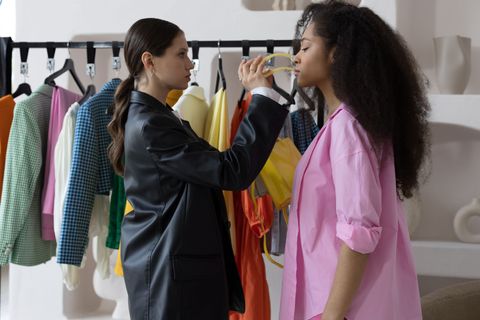
Some people prefer to learn independently, while others explore guidance from a professional fashion stylist. Personal styling services generally focus on clothing selection, outfit coordination, wardrobe organization, and adapting style choices to a person's needs.
A fashion styling consultation may involve discussing lifestyle, preferred colors, fit, clothing requirements, and the types of occasions the person regularly attends.
What Does a Professional Fashion Stylist Do?
A professional fashion stylist helps develop and coordinate outfits for individuals, public appearances, photography, events, or other settings. The exact responsibilities depend on the stylist's specialization and the nature of the project.
Typical activities may include:
Reviewing existing wardrobe pieces.
Suggesting outfit combinations.
Identifying suitable silhouettes and color combinations.
Planning outfits for particular events.
Coordinating clothing with accessories.
Helping organize seasonal or capsule wardrobes.
Explaining garment care and styling techniques.
A personal wardrobe stylist may focus on an individual's everyday clothing needs, while an editorial stylist may work on fashion photography, magazines, or creative campaigns.
Online Personal Stylist Guidance
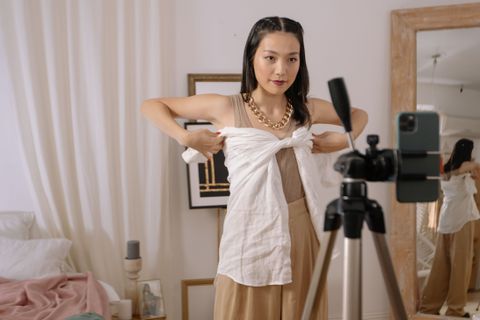
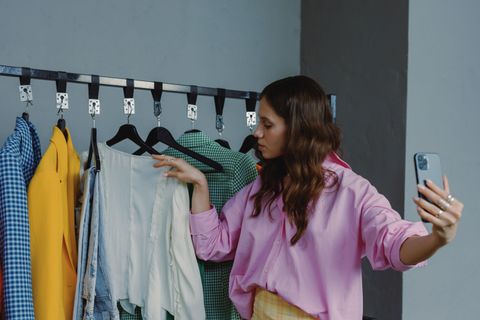
An online personal stylist may provide recommendations through video consultations, digital questionnaires, photographs, or virtual wardrobe reviews.
Online guidance can be convenient for people who prefer remote communication. However, assessing garment fit, texture, and exact color through photographs can be difficult because lighting, camera settings, and image quality affect appearance.
Before sharing personal photographs or wardrobe information, review the privacy practices of the relevant platform and understand how submitted material may be stored or used.
Styling guidance should support personal preferences rather than create pressure to follow a particular body ideal or spend beyond an individual's needs.
Fashion Styling Courses and Fashion Designing Courses
People interested in developing fashion knowledge can explore structured learning opportunities. Fashion styling and fashion design overlap in some areas, but their main objectives differ.
Fashion styling focuses on selecting and coordinating clothing, accessories, colors, and overall visual presentation. Fashion design focuses on developing garments, from initial concepts and sketches to pattern development, fabric selection, construction, and finished designs.
What Beginners Can Learn
A fashion styling course may cover:
Color coordination and outfit planning.
Fashion history and style categories.
Wardrobe organization.
Accessory coordination.
Styling for photography and events.
Visual presentation and mood boards.
A fashion designing course may include:
Drawing and fashion illustration.
Textile and fabric fundamentals.
Garment construction.
Pattern making and garment fitting.
Fashion collection development.
Sewing techniques and design software.
The curriculum varies by institution and course format. Beginners should review the learning objectives, practical assignments, instructor experience, and assessment methods before choosing a program.
A person interested primarily in everyday personal style may not need formal training. Someone exploring fashion as a creative discipline may benefit from a more structured educational path.
Luxury Fashion Brands and Responsible Fashion Choices
Luxury fashion brands often emphasize distinctive design identities, craftsmanship, material selection, heritage, and recognizable aesthetics. Their collections may influence broader fashion discussions, but luxury labels represent only one part of the fashion industry.
Understanding clothing construction and fabric characteristics can help readers evaluate garments beyond brand recognition.
What to Consider When Evaluating Clothing
Fabric composition: Check whether the material suits the climate and intended use.
Construction: Examine seams, stitching, lining, buttons, zippers, and finishing.
Fit and comfort: Consider movement, garment proportions, and personal preferences.
Care requirements: Some fabrics need specialized washing or storage.
Versatility: Consider how the garment coordinates with existing clothing.
Personal relevance: Decide whether the design suits your lifestyle and preferred style.
Responsible fashion also involves considering clothing longevity, textile waste, production practices, and the environmental effects of garment manufacturing.
Keeping clothing in good condition, repairing damaged items, reusing garments, and planning outfits around existing pieces can help reduce unnecessary wardrobe turnover.
No single purchasing or styling approach guarantees that a garment is environmentally sustainable. Material choices, manufacturing methods, transportation, care, and product lifespan all contribute to its broader impact.
Recent Fashion Developments and Trends in 2025–2026
Fashion trends evolve through designer collections, cultural influences, consumer preferences, technological developments, and discussions about sustainability. The visibility of a trend does not mean it is suitable for every individual.
Several themes have continued to shape fashion discussions during 2025 and 2026.
Personal Expression and Wardrobe Versatility
Personalized styling, adaptable clothing, and wardrobe planning remain relevant to people seeking outfits that work across different activities. Capsule wardrobe concepts encourage individuals to think about how garments coordinate instead of considering each item separately.
Digital Fashion Tools
Digital mood boards, virtual outfit planners, online learning platforms, and AI-assisted styling tools have expanded the ways people explore clothing combinations.
These tools can help organize ideas, compare colors, and develop outfit concepts. However, digital recommendations may not accurately represent fabric texture, garment fit, or how a color appears in real lighting.
Sustainability and Garment Longevity
Fashion discussions increasingly address clothing durability, textile waste, repair, reuse, and more transparent information about production practices.
Readers can apply these ideas by learning basic clothing maintenance, organizing existing wardrobes, and considering how often garments are likely to be worn.
Technology in Fashion Education
Digital illustration tools, computer-aided design software, and online instruction provide additional ways to explore fashion design. Their usefulness depends on the learner's goals and the practical skills being developed.
These developments reflect broad directions in fashion and technology rather than a fixed list of must-follow trends. Beginners can use them as inspiration while developing an independent sense of style.
Fashion Rules, Consumer Information, and Policies in India
Fashion and clothing are influenced by several areas of Indian law, including consumer protection, textile quality standards, product labeling, and environmental regulation.
The exact requirements depend on the product, business activity, and applicable regulations. Not every rule applies equally to all garments or sellers.
Consumer Protection Act, 2019
India's Consumer Protection Act, 2019, provides a framework for consumer rights and addresses unfair trade practices and misleading advertisements.
For fashion-related information, accurate descriptions matter. Claims about fabric composition, garment characteristics, product origin, and other material details should not mislead readers.
Consumers can review available product information and retain relevant documentation when questions arise about a garment's description or quality.
Textile Quality and Product Labeling
The Bureau of Indian Standards develops Indian Standards for various products and materials, including textiles. Certain products may be subject to applicable quality-control requirements or other mandatory provisions.
Clothing labels can provide useful information about fiber composition, washing instructions, size, and manufacturer details, depending on the product and applicable requirements.
Reading these labels helps consumers understand how a garment should be maintained and whether its material is appropriate for the intended use.
Environmental Considerations
India's environmental framework includes rules relating to waste management and pollution control. Textile manufacturing and disposal may intersect with these broader environmental concerns.
For individual consumers, extending garment life through appropriate care, repair, reuse, and responsible disposal can support more considered wardrobe management.
Readers should consult current official notifications for the latest requirements because regulations and their applicability can change.
Frequently Asked Questions
1. What are the basic principles of fashion for beginners?
The main principles include understanding fit, color coordination, fabric characteristics, proportion, personal preference, and occasion-appropriate clothing. Beginners can start by creating combinations from garments they already own.
2. What are capsule wardrobe essentials?
Capsule wardrobe essentials are versatile garments that coordinate with several other pieces. Depending on lifestyle and climate, they may include everyday tops, trousers, layering garments, comfortable footwear, and occasion-specific clothing.
3. What does a professional fashion stylist do?
A professional fashion stylist coordinates clothing and accessories for individuals, events, photography, or creative projects. Responsibilities may include wardrobe reviews, outfit planning, color coordination, and styling recommendations.
4. What is the difference between fashion styling and fashion designing?
Fashion styling focuses on selecting and coordinating clothing to create a particular appearance. Fashion designing focuses on developing garments, including concept creation, fabric selection, pattern making, and construction.
5. How can beginners develop a personal style?
Beginners can identify preferred colors, silhouettes, and clothing categories, observe which existing garments feel comfortable, and experiment with different combinations. Reviewing wardrobe needs and learning basic styling principles can help develop a consistent personal style.
Conclusion
Fashion basics provide a practical foundation for understanding clothing, developing personal style, and organizing a versatile wardrobe. Learning about different fashion categories, color coordination, fit, fabrics, and accessories helps beginners make more informed styling decisions.
Capsule wardrobe essentials can simplify outfit planning, while personal styling guidance and fashion education provide additional ways to develop knowledge. Understanding garment construction, care instructions, and responsible clothing practices can also support longer-lasting wardrobe choices.
Fashion does not require following every trend or adopting a particular appearance. A useful approach is to combine personal preference, comfort, practicality, and awareness of the occasion.
With gradual experimentation and a clear understanding of individual needs, beginners can develop a personal style that feels authentic and works for everyday life.

Related Post...
Fashion Guide: Types, Trends, Basics, and Essential Tips for Beginners
Updated: October 22, 2026
Read More
Everyday Fashion Guide: Clothing Styles, Outfit Combinations, and Practical Advice
Updated: October 29, 2026
Read More
Modern Fashion Guide: Discover Popular Styles, Trends, and Essential Fashion Knowledge
Updated: October 29, 2026
Read More