Groom’s Cufflinks: A Complete Guide to Styles, Designs, and Essential Tips
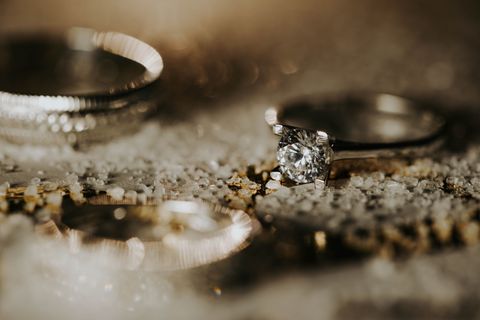
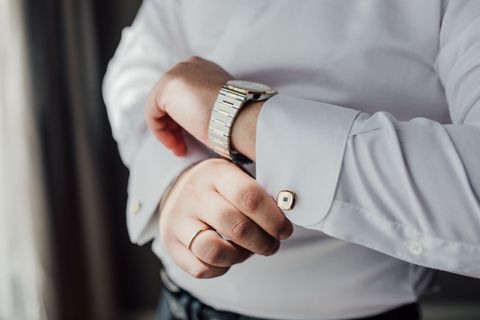
A wedding outfit often includes carefully selected details that create a coordinated appearance. Alongside a suit, dress shirt, tie, shoes, and watch, cufflinks can provide a finishing touch to formal clothing. For a groom, these small accessories may also carry personal meaning, especially when selected to commemorate the wedding day.
Cufflinks are decorative fasteners used to secure certain types of shirt cuffs. Unlike ordinary buttons, they generally require shirts designed with cufflink openings. French cuffs, also known as double cuffs, are a common example. Some convertible cuffs can also accommodate cufflinks.
Groom's cufflinks are available in a variety of materials, shapes, finishes, and designs. Traditional options include gold-tone and sterling silver styles, while contemporary designs may feature geometric patterns, enamel, gemstones, or personalized inscriptions.
The purpose of cufflinks is both practical and decorative. They hold shirt cuffs together while adding a detail that can complement the groom's overall attire. Some pairs are selected for their appearance, while others are chosen because they represent a family connection, a shared memory, or an important personal milestone.
Why Cufflinks Matter in Wedding Attire
Wedding clothing often combines formal garments with accessories that reflect the event's setting and the wearer's personality. Cufflinks can help connect different elements of an outfit without becoming the main visual focus.
For example, a groom wearing a dark formal suit may choose understated silver cufflinks, while someone wearing a traditional wedding outfit with gold accents may prefer a coordinated gold-tone design. The most suitable option depends on the dress code, shirt style, and overall color palette.
Cufflinks can also become keepsakes after the ceremony. A pair engraved with a wedding date or initials may serve as a reminder of the occasion and can be worn at future celebrations.
Types of Cufflinks for Grooms
Understanding the main cufflink styles makes it easier to identify designs that suit different formal occasions. The fastening mechanism, shape, and material all influence how a pair looks and functions.
Bullet-Back Cufflinks
Bullet-back cufflinks use a narrow cylindrical fastening bar that rotates to secure the cuff. The bar passes through the shirt's cuff openings and turns into position.
These cufflinks are common because the mechanism is relatively straightforward to operate. They are available in many shapes, including round, square, rectangular, and decorative designs.
Whale-Back Cufflinks
Whale-back cufflinks have a hinged fastening bar that folds into place. The bar is generally wider at one end, giving the mechanism its distinctive appearance.
Their simple operation makes them a practical option for people who are new to wearing cufflinks. As with other fastening types, correct alignment with the shirt openings helps prevent unnecessary strain on the fabric.
Chain-Link Cufflinks
Chain-link cufflinks connect their decorative ends with a short chain. This traditional construction creates a flexible connection between the two sides of the cuff.
They can suit formal or traditional attire, although the chain may allow more movement than rigid fastening mechanisms. Their appearance depends on the design and the materials used.
Fixed-Back Cufflinks
Fixed-back cufflinks have a solid fastening section rather than a rotating or hinged mechanism. They often feature a decorative front with a smaller rear section that passes through the cuff openings.
Some fixed-back designs require more attention when being inserted because the fastening section does not fold or rotate. Their suitability depends on the cuff construction and the wearer's comfort.
Stud and Cufflink Sets
Formal shirt studs and cufflinks are sometimes designed as matching sets. Shirt studs fasten the front of certain formal shirts, while cufflinks secure the cuffs.
Matching sets can create a coordinated appearance for black-tie events, traditional weddings, and other formal occasions. However, they are not necessary for every wedding outfit.
| Cufflink type | Main feature | General style |
|---|---|---|
| Bullet-back | Rotating cylindrical bar | Versatile and contemporary |
| Whale-back | Hinged fastening bar | Practical and familiar |
| Chain-link | Flexible chain connection | Traditional |
| Fixed-back | Solid fastening section | Minimalist or decorative |
| Stud and cufflink set | Coordinated formal accessories | Traditional formalwear |
Luxury Cufflinks for Men: Materials and Design Features
Luxury cufflinks for men can vary considerably in material, construction, finish, and decorative detail. The term luxury describes a style or market category rather than a universal technical standard. It does not automatically establish the purity, durability, or authenticity of the materials.
Understanding the materials used in cufflinks helps readers interpret descriptions and select designs suited to their clothing and personal preferences.
Gold Cufflinks for Men
Gold cufflinks are available in solid gold, gold alloys, and gold-plated forms. These categories should not be treated as interchangeable because their compositions differ.
Solid gold jewelry contains gold throughout the relevant component, although the gold may be alloyed with other metals. Gold-plated cufflinks have a surface layer of gold over a base material. Gold-tone cufflinks may simply have a gold-colored finish and may not contain gold.
The distinction matters when evaluating jewelry descriptions.
Common considerations include:
Gold purity: Solid gold alloys may be identified by karat, such as 14K or 18K.
Color: Yellow, white, and rose gold provide different visual effects.
Finish: Polished, brushed, and textured surfaces create different appearances.
Construction: Hinges, bars, and decorative elements affect how the cufflinks function.
Care: Surface coatings and different alloys may require specific cleaning methods.
Gold cufflinks can complement traditional wedding clothing, dark suits, and warm-toned accessories. Coordinating them with a watch, belt buckle, or other metal details can help create a consistent appearance.
Sterling Silver Cufflinks
Sterling silver is an alloy containing 92.5% silver by mass, with the remaining proportion generally made up of other metals, often copper. It is commonly identified by the 925 designation.
Sterling silver cufflinks can have a bright, polished finish or a darker appearance created by oxidation and decorative finishing techniques. Their color works with many shirt shades and suit combinations.
Silver can tarnish through reactions with substances in the surrounding environment. Regular gentle cleaning and suitable storage can help maintain its appearance.
When reviewing sterling silver cufflinks, check the material description and any applicable hallmark or purity marking. A silver-colored surface alone does not establish that an item is sterling silver.
Other Materials Used in Cufflinks
Cufflinks are also made from stainless steel, enamel, ceramic, wood, mother-of-pearl, and other materials. Some designs combine several materials to create contrast.
Stainless steel: Often used for contemporary designs and simple geometric shapes.
Enamel: Adds color and allows intricate decorative patterns.
Mother-of-pearl: Provides a natural iridescent appearance.
Wood: Creates a warmer, more casual visual effect.
Ceramic: Can provide a smooth surface in different colors.
Gemstones: Add color, texture, or a more decorative appearance.
Material suitability depends on the intended use, the quality of construction, and personal preferences. Natural materials may also vary in color and pattern.
Personalized Wedding Cufflinks and Custom Engraved Designs
Personalized wedding cufflinks are designed to include details associated with the groom, couple, or wedding occasion. Personalization can turn a conventional accessory into a meaningful keepsake without requiring an elaborate design.
Custom engraved cufflinks may feature initials, a wedding date, a short message, or a symbol. The engraving can appear on the decorative front, the back, or another suitable surface, depending on the construction.
Popular Personalization Ideas
Initials: The groom's initials or the couple's combined initials can create a simple, recognizable design.
Wedding date: The ceremony date can serve as a reminder of the occasion. Short date formats may be more suitable for small surfaces.
Meaningful words: A brief word or phrase can reflect a shared value, memory, or personal expression.
Family symbols: A family crest or established emblem may be appropriate when its use is accurate and meaningful.
Special motifs: Small shapes, coordinates, or symbols may refer to a memorable place or shared experience.
Personalization should remain legible and proportionate to the cufflinks. Complex artwork may lose detail on a small surface, while deep engraving may not be suitable for every material.
How to Choose Personalized Wedding Cufflinks
Before selecting a personalized pair, consider the following:
Confirm the spelling of names and initials.
Check the wedding date and chosen date format.
Review the available engraving area and character limits.
Consider the contrast between the engraving and the background.
Confirm whether the selected material can support the intended engraving technique.
Choose a design that can be worn after the wedding as well as during the ceremony.
A simple design can be just as meaningful as a highly decorative one. The most important consideration is whether the personalization has genuine significance for the wearer.
Designer Cufflinks for Men: Styles and Formalwear Coordination
Designer cufflinks for men include a broad range of design approaches, from minimalist geometric forms to ornate pieces inspired by traditional craftsmanship. The term refers to design-led accessories and does not, by itself, guarantee a particular material or manufacturing method.
Choosing cufflinks that complement the groom's outfit requires attention to the formality, colors, and proportions of the clothing.
Matching Cufflinks With a Wedding Suit
For a black or charcoal suit, silver-tone cufflinks can create a clean, understated appearance. Gold-tone designs may provide a warmer contrast, particularly when coordinated with other accessories.
Navy suits can work with silver, gold, dark enamel, or subtle colored details. For lighter suits, neutral finishes and restrained designs can help maintain a balanced appearance.
For traditional wedding clothing, the choice may depend on embroidery, fabric color, and other decorative elements. Cufflinks do not need to match every accessory exactly, but a consistent overall palette can make the outfit feel coordinated.
Choosing Designs for Different Wedding Settings
| Wedding setting | Suitable design direction | Styling consideration |
|---|---|---|
| Black-tie wedding | Refined metal or understated decorative designs | Coordinate with formal shirt details |
| Traditional ceremony | Gold-tone or culturally appropriate motifs | Consider the outfit's colors and ornamentation |
| Modern formal wedding | Geometric or minimalist cufflinks | Keep accessories visually balanced |
| Outdoor wedding | Simple, versatile designs | Consider comfort and practical use |
| Personalized ceremony | Engraved initials or dates | Keep details legible and discreet |
These are general styling suggestions rather than strict rules. The wedding dress code and the groom's personal style should guide the final decision.
Essential Tips for Selecting and Wearing Groom's Cufflinks
Choosing cufflinks involves more than selecting an attractive design. Fit, fastening, shirt compatibility, and long-term maintenance also matter.
Check Shirt Compatibility
Traditional cufflinks generally require shirts with cufflink openings and no fixed button closing the cuff in the usual position. French-cuff shirts are a common choice.
Before the wedding, check that the cufflinks pass through the openings comfortably and secure the cuff without excessive pressure. Trying them with the complete outfit can help identify problems before the event.
Consider Size and Weight
Large cufflinks can create a bold visual detail, while smaller designs tend to look more understated. The size should suit the shirt cuff, the wearer's wrist, and the formality of the outfit.
Heavy cufflinks may pull on delicate fabric or feel uncomfortable during extended wear. Lightweight designs can be easier to wear throughout a long ceremony and reception.
Check the Fastening Mechanism
A secure fastening mechanism helps prevent cufflinks from coming loose during movement. Examine hinges, rotating bars, chains, and other components for signs of damage or excessive looseness.
Practising how to insert and remove the cufflinks before the wedding can also reduce last-minute difficulties.
Coordinate Accessories Thoughtfully
Cufflinks may complement a watch, tie bar, shirt studs, or other metal accessories. Matching every component is not essential, but consistent colors and finishes can create a more unified appearance.
For example, silver cufflinks can work well with a silver watch case, while gold cufflinks may coordinate with gold-tone details elsewhere in the outfit. The goal is visual balance rather than exact uniformity.
Keep a Backup Plan
Wedding ceremonies can involve long periods of movement, photography, and celebrations. Keeping the cufflinks in a protective case before dressing can reduce the risk of losing them.
If the cufflinks are particularly meaningful or delicate, storing them securely when they are not being worn can help protect them.
Cufflink Care, Cleaning, and Storage
Appropriate maintenance can help preserve the finish and function of cufflinks. Cleaning methods should depend on the material, surface coating, and construction.
Everyday Care Practices
Wipe cufflinks with a soft, suitable cloth after wearing them.
Store pairs together in a dry, protected compartment.
Keep silver separate from materials that may scratch its surface.
Avoid harsh chemicals and abrasive cleaners unless the manufacturer's guidance specifically permits them.
Keep plated cufflinks away from aggressive polishing methods that could wear away the surface layer.
Check hinges, chains, and fastening bars periodically.
Avoid forcing a fastening mechanism that appears stuck or damaged.
Sterling silver may tarnish over time, while plated finishes can wear with repeated friction. Enamel and natural decorative materials may require more careful handling than plain metal surfaces.
If the material or coating is uncertain, consult the manufacturer's care instructions before using a specialized cleaning product.
Laws, Hallmarking, and Consumer Protection in India
In India, precious-metal jewelry is subject to applicable hallmarking standards and consumer protection rules. These requirements are relevant when evaluating cufflinks described as solid gold or sterling silver, although the exact obligations depend on the item, applicable standards, and any relevant exemptions.
Gold Hallmarking
The Bureau of Indian Standards (BIS) operates India's gold hallmarking framework. Covered gold jewelry may carry a BIS Standard Mark, a purity mark, and a Hallmark Unique Identification (HUID).
Consumers can consult official BIS information and the BIS CARE application to check relevant hallmark details. However, readers should confirm whether a particular cufflink falls within the applicable hallmarking requirements rather than assuming every gold-colored accessory must carry the same markings.
Silver Purity and Material Descriptions
Sterling silver generally contains 92.5% silver, commonly represented by the 925 designation. A marking should be interpreted alongside reliable product documentation because the appearance of silver-colored metal does not establish its composition.
Where a hallmark or certification is applicable, it is useful to review the documentation and identify what it actually verifies.
Consumer Protection Act, 2019
India's Consumer Protection Act, 2019, provides a framework addressing consumer rights and unfair trade practices, including misleading representations. Accurate descriptions of metal purity, plating, gemstone materials, and other relevant characteristics help consumers understand what an item contains.
For wedding cufflinks, descriptions should distinguish between solid gold, gold-plated metal, gold-tone finishes, sterling silver, and silver-colored alloys. Similarly, claims about engraving, materials, or authenticity should be supported by accurate information.
Frequently Asked Questions
1. What type of cufflinks should a groom wear?
The choice depends on the wedding dress code, shirt type, and personal style. Simple silver or gold-tone cufflinks can suit formal outfits, while personalized or decorative designs may reflect the occasion's significance.
2. Can personalized wedding cufflinks be worn after the ceremony?
Yes. Initials, dates, and understated motifs can remain appropriate for anniversaries, formal events, and other occasions. A versatile design may be easier to coordinate with different outfits.
3. What is the difference between gold cufflinks and gold-plated cufflinks?
Gold cufflinks may be made from solid gold alloys, while gold-plated cufflinks have a thin gold layer over another material. Gold-tone cufflinks may simply have a gold-colored finish. The description and documentation should identify the material accurately.
4. Are sterling silver cufflinks suitable for formal weddings?
Yes. Sterling silver cufflinks can complement many formal outfits, including dark suits and traditional formalwear. Their suitability depends on the design, finish, and overall coordination with the clothing.
5. How should cufflinks be stored?
Store cufflinks in a dry, protected compartment, preferably with each pair kept together. Separate storage can reduce scratching, tarnishing, and loss. Delicate or plated pieces may require additional care.
Conclusion
Groom's cufflinks combine a practical fastening function with the opportunity to express personal style. From luxury cufflinks for men and gold cufflinks to sterling silver designs, personalized wedding cufflinks, and custom engraved accessories, the available styles cover a wide range of preferences.
Understanding cufflink mechanisms, materials, shirt compatibility, and formalwear coordination helps beginners choose designs suited to the wedding and future occasions. Proper storage and maintenance can also help preserve their appearance and function.
Ultimately, the most meaningful pair is one that fits comfortably, complements the groom's clothing, and reflects his individual preferences. Whether the design is understated, traditional, or personalized, cufflinks can become a lasting reminder of an important day.

Related Post...
Platinum Engagement Sets: A Complete Guide to Types, Designs, and Essential Tips
Updated: October 23, 2026
Read More
1. Love Knot Bracelets: A Complete Guide to Designs, Meaning, and Essential Tips
Updated: October 23, 2026
Read More
First Anniversary Pendants: A Complete Guide to Types, Designs, and Essential Tips
Updated: October 23, 2026
Read More