Gulf Region Bridal Jewellery: A Complete Guide to Traditional Designs, Styles, and Trends
Bridal jewellery holds an important place in wedding traditions throughout the Gulf region. Countries such as the United Arab Emirates, Saudi Arabia, Kuwait, Qatar, Bahrain, and Oman have diverse cultural practices, artistic influences, and jewellery preferences. Gold ornaments, gemstone decorations, elaborate necklaces, earrings, bracelets, and headpieces may form part of bridal attire, depending on the family's traditions and the style of the wedding.
Gulf bridal jewellery reflects a combination of cultural heritage, craftsmanship, personal expression, and contemporary fashion. Some designs feature traditional goldwork and intricate decorative patterns, while others incorporate diamonds, colored gemstones, and modern geometric shapes.
The term luxury bridal jewellery describes pieces characterized by materials, craftsmanship, design complexity, or distinctive artistic details. However, luxury does not refer to one specific style. A simple gold necklace may hold considerable cultural significance, while a detailed diamond set may reflect a preference for contemporary formal jewellery.
Understanding the different styles helps readers appreciate the cultural background of bridal ornaments and recognize how traditional designs continue to influence modern wedding fashion.
What Makes Gulf Bridal Jewellery Distinctive?
Gulf bridal jewellery is not a single uniform category. Designs vary by country, community, family tradition, personal taste, and the formality of the wedding celebration.
Several characteristics commonly appear in regional jewellery traditions:
Gold craftsmanship: Gold has a long-standing cultural and decorative role across many Gulf communities.
Layered ornaments: Some traditional looks combine necklaces, earrings, bracelets, and other accessories.
Detailed metalwork: Engraving, textured surfaces, filigree, and decorative motifs appear in different jewellery traditions.
Gemstone decoration: Diamonds, pearls, and colored gemstones may be incorporated into bridal pieces.
Symbolic designs: Certain ornaments carry associations with family heritage, celebration, prosperity, or personal identity.
Contemporary styling: Modern bridal looks may combine traditional gold pieces with minimalist necklaces or diamond accessories.
These features are not present in every design. Bridal jewellery choices depend on regional customs, family preferences, religious and cultural considerations, and the bride's individual style.
Why Bridal Jewellery Matters in Gulf Wedding Traditions
Wedding jewellery can have meaning beyond its decorative appearance. In many families, it forms part of the wider preparation for marriage and connects the celebration with established customs.
Gold ornaments may be associated with family heritage, ceremonial presentation, personal adornment, or the preservation of important memories. Some families pass jewellery between generations, while others choose designs that reflect contemporary preferences.
Bridal jewellery can also influence the overall appearance of a wedding outfit. The relationship between jewellery, fabric, embroidery, neckline, hairstyle, and makeup determines whether the finished look feels balanced.
Cultural and Personal Significance
The meaning of a jewellery piece varies between individuals and communities. Some brides value traditional ornaments because they reflect family history. Others prefer contemporary designs that suit their everyday style or personal aesthetic.
Jewellery may also become a lasting keepsake associated with the wedding day. Pieces with personal meaning can be retained and worn again at family celebrations, anniversaries, and other important occasions.
Important considerations include:
Cultural identity: Traditional motifs may reflect the customs of a particular family or community.
Personal expression: Jewellery allows brides to express their preferences through shape, color, and design.
Family heritage: In some families, ornaments are preserved and passed between generations.
Wedding styling: Necklaces, earrings, and bracelets can complement traditional garments and formal attire.
Long-term significance: Certain pieces become reminders of a major life event.
Not every Gulf wedding follows the same customs, and traditional jewellery is not compulsory for every bride. The role of jewellery depends on personal choices and the nature of the celebration.
Traditional Bridal Gold Jewellery in the Gulf
Gold is a familiar material in many Gulf jewellery traditions. Its appearance, workability, and long-standing cultural significance have contributed to its use in necklaces, earrings, bracelets, rings, and decorative ornaments.
Traditional bridal gold jewellery may feature substantial chains, intricate patterns, engraved surfaces, or multiple coordinated pieces. Some designs emphasize the metal itself, while others incorporate pearls or gemstones.
Common Traditional Gold Jewellery Pieces
Gold necklaces: Traditional necklaces range from simple chains to elaborate statement pieces. Their shape and length may be selected to complement the neckline and embroidery of the bridal outfit.
Gold earrings: Earrings can include hoops, drops, studs, and elaborate decorative designs. The appropriate size depends on the hairstyle, face-framing preferences, and overall jewellery arrangement.
Gold bracelets and bangles: These ornaments may be worn individually or in coordinated groups. Some designs feature smooth surfaces, while others incorporate engraved or textured details.
Gold rings: Rings may have simple bands, decorative settings, or gemstone accents. Their significance varies according to personal and family traditions.
Decorative headpieces: Certain bridal styles incorporate forehead ornaments or other hair accessories, although their use differs between communities and wedding settings.
Traditional Gold Jewellery Characteristics
| Jewellery type | Common design features | Styling consideration |
|---|---|---|
| Gold necklace | Chains, engraved details, layered forms | Match the neckline and garment embroidery |
| Gold earrings | Hoops, drops, textured surfaces | Consider hairstyle and comfort |
| Gold bangles | Smooth, engraved, or patterned bands | Balance the number and visual weight |
| Gold ring | Simple bands or decorative settings | Consider comfort and everyday practicality |
| Gold headpiece | Decorative metalwork and hanging elements | Coordinate with hairstyle and other ornaments |
| Gold pendant | Symbolic shapes and decorative motifs | Consider chain length and necklace proportions |
Traditional designs can be interpreted in different ways. Contemporary jewellery makers may adapt historical patterns into lighter pieces or combine them with modern settings while retaining recognizable decorative elements.
Luxury Bridal Jewellery: Materials and Craftsmanship
Luxury bridal jewellery is often identified through a combination of material quality, workmanship, design, and finishing. The term does not have one universal technical definition, so it is useful to examine the characteristics of an individual piece rather than rely on a label alone.
Materials may include gold alloys, platinum, diamonds, pearls, and colored gemstones. The design may involve hand engraving, detailed metalwork, carefully arranged stones, or coordinated pieces intended to be worn together.
Understanding Gold Purity
Gold jewellery is commonly made from alloys because pure gold is relatively soft. The karat designation indicates the proportion of gold within the alloy.
| Gold designation | Approximate gold content | General characteristics |
|---|---|---|
| 24 karat | Approximately 99.9% | Very high purity; relatively soft |
| 22 karat | Approximately 91.7% | High gold content |
| 18 karat | 75% | Common in fine jewellery and gemstone settings |
| 14 karat | Approximately 58.5% | Contains a greater proportion of alloying metals than 18K gold |
The appropriate purity depends on the design, construction, intended use, and applicable local standards.
Gold color also varies according to the alloy composition. Yellow gold has a warm appearance, white gold has a lighter tone, and rose gold receives its pinkish color from copper-containing alloys.
What to Examine in Designer Bridal Jewellery
Designer bridal jewellery may feature distinctive silhouettes, coordinated collections, specialized metalwork, or a recognizable artistic approach.
When assessing a piece, consider the following:
Material identification: Check the stated metal, purity, and gemstone descriptions.
Construction: Examine clasps, links, settings, and joins for signs of poor finishing.
Design consistency: Look at how decorative elements fit together and whether the proportions appear balanced.
Comfort: Consider weight, movement, fastening methods, and contact with the skin.
Versatility: Determine whether individual pieces can be worn separately on other occasions.
Documentation: Keep available information about metal purity, gemstones, and relevant certification.
A distinctive design does not automatically indicate superior durability. The quality of the materials, construction, and maintenance requirements also matter.
Diamond Bridal Jewellery: Designs and Quality Basics
Diamond bridal jewellery is used in a wide range of formal styles, from small accent stones to elaborate coordinated sets. Diamonds can appear in necklaces, earrings, rings, bracelets, and headpieces.
Some brides prefer a single central diamond, while others choose multiple stones arranged in floral, geometric, or traditional motifs. The overall effect depends on the size and arrangement of the stones, the setting, and the accompanying outfit.
Understanding the Four Cs of Diamonds
The four Cs provide a widely recognized framework for understanding diamond characteristics.
Cut: Describes how a diamond's proportions and facets influence the way it interacts with light.
Color: For conventional white diamonds, grading generally considers the presence or absence of color.
Clarity: Refers to internal characteristics and surface features.
Carat weight: Measures the weight of the diamond rather than its overall quality or visual size.
These characteristics should be considered together. A diamond's appearance also depends on lighting, setting, craftsmanship, and the design of the complete jewellery piece.
Popular Diamond Bridal Jewellery Styles
Solitaire jewellery features one central diamond and is often associated with a clean, focused appearance.
Halo designs surround a central stone with smaller diamonds, creating a more detailed arrangement.
Floral designs use petal-like shapes and grouped gemstones to create decorative patterns.
Geometric designs incorporate symmetrical forms, straight lines, and structured settings.
Diamond statement necklaces may feature repeated stones or intricate arrangements intended to complement formal bridal clothing.
Diamond earrings range from understated studs to longer drop designs with multiple stones.
When reviewing diamond jewellery, it is also important to distinguish natural diamonds, laboratory-grown diamonds, and diamond simulants. Natural and laboratory-grown diamonds have essentially the same chemical composition and crystal structure, but they differ in origin. Simulants, such as cubic zirconia, are different materials that imitate the appearance of diamonds.
Accurate descriptions and appropriate documentation help clarify what a jewellery piece contains.
Bridal Jewellery Collections and Coordinated Styling
A bridal jewellery collection may include a necklace, earrings, bracelets, rings, and other accessories designed around a shared aesthetic.
Coordination does not require every piece to have identical details. Jewellery can look balanced when its metal color, decorative motifs, proportions, and visual weight complement one another.
Matching Jewellery With Bridal Clothing
The neckline and embroidery of a bridal outfit influence the appearance of necklaces and earrings.
High-neck outfits: Earrings and bracelets may provide decoration without competing with the neckline.
Open necklines: A necklace can become a focal point, depending on the garment's shape.
Heavily embroidered garments: Simpler jewellery may create balance when the clothing already contains elaborate details.
Minimalist outfits: Detailed necklaces or statement earrings can introduce contrast.
Traditional garments: Jewellery inspired by regional craftsmanship may complement the outfit's cultural and decorative features.
These are general styling principles rather than fixed rules. Personal preference and the design of the complete outfit should guide the final arrangement.
Balancing Necklace, Earrings, and Bracelets
A coordinated look often benefits from a clear focal point. For example, an elaborate necklace can be paired with simpler earrings, while statement earrings may work well with a more understated necklace.
Consider the following elements:
The visual weight of each piece.
The color and finish of the metal.
The scale of decorative details.
The neckline and sleeve design.
The hairstyle and placement of headpieces.
The comfort of wearing the complete arrangement for several hours.
Trying on the pieces together before the event can help identify tangling, excessive weight, uncomfortable clasps, or visual competition between accessories.
Regional Bridal Jewellery Traditions Across the Gulf
The Gulf region includes countries with distinct histories and local customs. Although gold and decorative jewellery are familiar across the region, the specific designs and ceremonial practices vary.
United Arab Emirates
Emirati cultural traditions include gold jewellery and elaborate decorative ornaments. Traditional designs may feature substantial goldwork, while contemporary bridal styling can incorporate diamond jewellery and coordinated modern sets.
The appearance of bridal jewellery depends on family customs, the wedding setting, and individual preferences.
Saudi Arabia
Saudi bridal jewellery includes a range of traditional gold pieces and contemporary designs. Preferences differ between families and regions, with some bridal looks emphasizing elaborate jewellery and others using more restrained combinations.
Necklaces, earrings, bracelets, and rings may be coordinated with the garment's embroidery and overall styling.
Kuwait and Qatar
Jewellery traditions in Kuwait and Qatar include gold ornaments and a variety of contemporary formal designs. Traditional influences may appear alongside diamond settings, colored gemstones, and modern necklace silhouettes.
The choice of jewellery varies according to personal style, family traditions, and the formality of the occasion.
Bahrain and Oman
Bahrain and Oman also have distinctive jewellery traditions shaped by regional history and cultural exchange. Gold ornaments, detailed metalwork, and traditional decorative patterns form part of their broader jewellery heritage.
Specific designs differ, and not every ornament is exclusive to one country. Similar motifs may appear across neighboring communities because of shared historical influences and cultural connections.
Recent Bridal Jewellery Trends in 2025 and 2026
Bridal jewellery design continues to reflect changing fashion preferences, advances in production techniques, and renewed interest in personal expression.
During 2025 and 2026, several broad design directions have remained visible in contemporary jewellery discussions. These trends should be understood as general observations rather than universal preferences or a guarantee of what will be popular at every wedding.
Personalization and Symbolic Design
Initial pendants, meaningful motifs, birthstones, and customized decorative details allow people to connect jewellery with personal memories.
In bridal settings, personalization may appear in a single piece or throughout a coordinated collection. The design can reflect family heritage, an important date, or a symbol with individual meaning.
Modern Interpretations of Traditional Goldwork
Contemporary designers may adapt traditional motifs into lighter silhouettes, cleaner lines, or more versatile pieces. These interpretations can preserve familiar visual elements while changing proportions and construction.
This approach allows traditional influences to appear in both formal bridal jewellery and pieces intended for use after the wedding.
Mixed Metals and Layered Styling
Some contemporary looks combine different metal colors or use layered necklaces to create visual depth. The result depends on the relationship between chain lengths, pendant sizes, and decorative patterns.
Layering is not suitable for every outfit, particularly when the garment already contains extensive embroidery or elaborate ornamentation.
Colored Gemstones and Distinctive Settings
Colored gemstones introduce contrast and can be selected according to personal preference or cultural associations. Modern settings may combine these stones with gold, diamonds, or other materials.
Readers should distinguish verified gemstone characteristics from generalized descriptions and ensure that material information is accurate.
Practicality and Repeated Wear
Some bridal jewellery designs are intended to be worn again after the wedding. Separate earrings, adaptable necklaces, and bracelets that coordinate with different outfits can provide greater flexibility.
This reflects an important consideration in jewellery selection: a piece can have ceremonial significance while also fitting the wearer's long-term preferences.
Essential Tips for Jewellery Care and Maintenance
Proper care helps maintain the appearance of bridal jewellery and reduces the risk of damage. Cleaning and storage methods should be appropriate for the materials and settings involved.
Caring for Gold Bridal Jewellery
Gold jewellery should be stored separately to reduce scratches and tangling. A soft-lined jewellery box or individual pouch can help protect delicate chains and decorative surfaces.
Avoid unnecessary exposure to chlorine, harsh cleaning chemicals, and abrasive products. Follow the care instructions appropriate to the gold alloy and any gemstones or coatings.
For pieces with intricate engraving or fine chains, gentle handling is particularly important. Clasps and connecting links should be inspected periodically for signs of wear.
Caring for Diamond and Gemstone Jewellery
Diamonds are very hard, but they can still chip under certain impacts. Gemstone settings may also loosen over time.
Helpful practices include:
Store individual pieces separately.
Remove jewellery before activities that may cause impact.
Avoid pulling chains when untangling them.
Check prongs, clasps, and stone settings periodically.
Follow gemstone-specific cleaning guidance.
Seek professional inspection when a stone appears loose or a setting is damaged.
Keep available grading reports and material documentation in a secure location.
Not all gemstones tolerate the same cleaning methods. Ultrasonic cleaners and chemical solutions can damage some stones, coatings, adhesives, or delicate settings. When the materials are uncertain, seek advice from a qualified jewellery professional.
Jewellery Regulations and Consumer Protection in the Gulf Region
Jewellery regulations differ between Gulf countries. Requirements can relate to precious-metal purity, hallmarking, trade descriptions, consumer protection, imports, and gemstone documentation.
Because the Gulf region includes multiple legal jurisdictions, readers should consult the relevant national authority rather than assume that one country's rules apply throughout the region.
Gold Hallmarking and Purity Information
Hallmarking systems help identify the declared purity of precious-metal jewellery. Depending on the country and applicable rules, jewellery may be subject to testing, marking, or documentation requirements.
Before evaluating gold bridal jewellery, readers should check:
The declared gold purity and applicable fineness marking.
Whether the relevant national hallmarking requirements apply.
The identity of the metal and any coatings.
The accuracy of the description accompanying the jewellery.
Any available documentation concerning gemstones.
The applicable rules for imported jewellery, where relevant.
A hallmark and a gemstone grading report serve different purposes. A gold hallmark relates to precious-metal identification and purity, while a gemstone report describes characteristics of the stone examined.
Consumer Protection and Accurate Descriptions
Consumer protection frameworks generally address issues such as misleading representations and inaccurate product information. The precise legal requirements depend on the country and circumstances.
For example, the United Arab Emirates has federal legislation addressing consumer protection, including Federal Law No. 15 of 2020 on Consumer Protection and its implementing regulations.
Saudi Arabia, Qatar, Kuwait, Bahrain, and Oman operate under their own applicable legal frameworks. Readers should consult the relevant national authorities for current requirements.
Accurate descriptions are important when jewellery information includes claims about gold purity, diamond identity, gemstone characteristics, or certification. Clear documentation helps people understand what a piece contains without relying solely on decorative terminology.
Frequently Asked Questions
1. What jewellery is traditionally worn by Gulf brides?
Gulf bridal jewellery varies by country, community, and family tradition. Gold necklaces, earrings, bracelets, rings, and decorative accessories are common categories, while some contemporary bridal looks include diamond jewellery and colored gemstones.
2. What is the difference between traditional and designer bridal jewellery?
Traditional bridal jewellery draws on established decorative motifs, craftsmanship, and cultural influences. Designer bridal jewellery may interpret these influences through contemporary shapes, distinctive settings, new combinations of materials, or an individual artistic approach. The two categories can overlap.
3. How can I understand gold purity when examining bridal jewellery?
Gold purity is commonly expressed in karats and fineness. For example, 22-karat gold contains approximately 91.7% gold, while 18-karat gold contains 75%. The applicable hallmarking system and documentation help clarify the declared purity.
4. What should beginners know about diamond bridal jewellery?
Beginners should understand cut, color, clarity, and carat weight. They should also distinguish natural diamonds from laboratory-grown diamonds and diamond simulants. Relevant documentation can help establish the identity and characteristics of a gemstone.
5. How can bridal jewellery be maintained after the wedding?
Store jewellery separately, avoid harsh chemicals, inspect clasps and settings, and follow material-specific cleaning instructions. Delicate pieces may require professional inspection, particularly if they contain multiple gemstones or intricate metalwork.
Conclusion
Gulf Region bridal jewellery represents a diverse combination of cultural heritage, craftsmanship, personal style, and contemporary design. Traditional gold ornaments, diamond necklaces, decorative earrings, bracelets, and coordinated jewellery collections can all contribute to different bridal looks.
Understanding gold purity, diamond characteristics, regional traditions, and jewellery care helps readers appreciate these designs and interpret material descriptions accurately. Cultural practices vary across the United Arab Emirates, Saudi Arabia, Kuwait, Qatar, Bahrain, and Oman, so no single style represents every Gulf bride.
Modern jewellery design continues to incorporate personalization, updated interpretations of traditional motifs, and versatile pieces suitable for repeated wear. By considering comfort, craftsmanship, cultural significance, and accurate material information, readers can develop a clearer understanding of luxury bridal jewellery and its role in Gulf wedding traditions.

Related Post...
Adjustable Minimal Bracelets: A Complete Guide to Styles, Designs, and Tips
Updated: October 24, 2026
Read More
Gujarati Silver Anklets: A Complete Guide to Traditional Designs, Styles, and Tips
Updated: October 24, 2026
Read More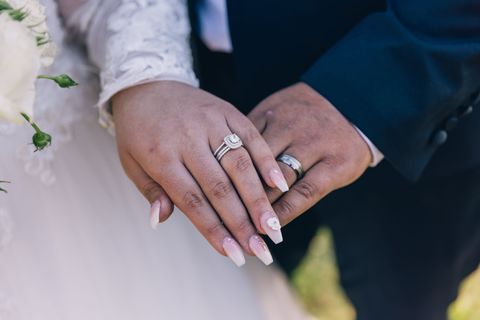
Platinum Wedding Bands for Grooms: A Complete Guide to Styles, Designs, and Tips
Updated: October 24, 2026
Read More