Summer Coral Jewellery Guide: Explore Seasonal Designs, Styles, and Trends
Summer is a season associated with bright colours, lightweight clothing, outdoor gatherings, and accessories that complement warmer-weather outfits. Jewellery can add colour, texture, and individuality to seasonal styling. Coral jewellery is one category that attracts attention because of its distinctive colours, organic origins, and long history in decorative arts across different cultures.
Coral is an organic material formed by marine organisms called coral polyps. Certain coral species develop hard skeletal structures that have historically been used in jewellery and ornamental objects. Gem-quality coral can appear in shades of red, pink, orange, white, and other colours, depending on the species and material.
Unlike many mineral gemstones, coral has a biological origin. This makes its formation, identification, care, and environmental considerations different from those associated with materials such as quartz, sapphire, or ruby.
Summer coral jewellery includes necklaces, earrings, bracelets, pendants, and other decorative pieces featuring coral or coral-inspired designs. These pieces can be paired with casual clothing, traditional outfits, and occasion wear.
Why Coral Jewellery Is Associated With Summer
Coral's natural colour range makes it suitable for different seasonal styles. Red and orange tones can create a noticeable contrast against neutral clothing, while pale pink and white coral can produce a softer appearance.
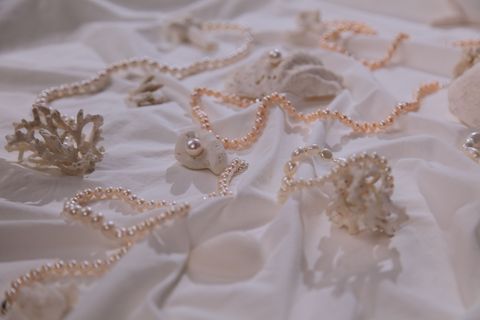
Coral jewellery can also incorporate gold, silver, pearls, beads, and other gemstones. These combinations allow designers to create both understated accessories and elaborate statement pieces.
Common reasons people explore coral jewellery include:
Distinctive colour: Coral provides warm, vibrant, and pastel colour options.
Organic character: Natural coral can have variations in colour and texture.
Design versatility: Coral can appear in necklaces, pendants, earrings, and bracelets.
Cultural significance: Coral jewellery has historical associations with adornment and traditional craftsmanship.
Personal expression: Different shapes and colour combinations allow individuals to reflect their preferences.
Coral jewellery is not restricted to summer. Its suitability depends on the design, outfit, occasion, and personal style.
Types of Coral Used in Jewellery
Understanding the different types of coral helps readers interpret jewellery descriptions and identify the characteristics that distinguish one piece from another.
The term coral jewellery can refer to genuine coral material, reconstructed coral, dyed materials, or coral-inspired designs made from other substances. These categories should not be treated as interchangeable.
Red Coral Gemstone Jewellery
Red coral is known for its warm red, reddish-orange, or deeper red tones. Certain precious coral species have historically been used in beads, pendants, and carved ornaments.
Red coral gemstone jewellery can include simple polished beads, sculpted pendants, traditional necklaces, and contemporary designs combined with precious metals.
The appearance of a red coral piece depends on the material's natural colour, surface finish, shape, and any treatments it has undergone. Natural variations may be visible, and not every red-coloured bead is genuine coral.
When evaluating red coral gemstone jewellery, consider:
The stated identity and origin of the material.
Whether the coral is natural, dyed, treated, reconstructed, or imitation.
The consistency of the description and accompanying documentation.
The condition of the surface and drilled areas.
Any conservation or legal restrictions associated with the material.
These details are important because coral products may come from species subject to wildlife protection measures or international trade controls.
Pink and White Coral Jewellery
Pink coral ranges from pale blush tones to stronger pink shades. White coral has a lighter appearance and may feature subtle variations in tone or texture.
These colours can suit people who prefer less intense jewellery palettes. Pink coral may complement pastel clothing, while white coral can create contrast against darker colours.
Some jewellery described as pink or white coral may contain dyed or treated material. Accurate identification is therefore important when natural origin is a key consideration.
Black and Other Dark Coral Materials
Certain coral materials have dark colours and distinctive structures. However, not every dark coral-like object is a gem-quality coral suitable for jewellery.
The term black coral can refer to members of the order Antipatharia. Many black corals are protected under international wildlife trade controls, so their legal status and provenance should be checked carefully before acquiring jewellery made from them.
For this reason, consumers should not assume that a dark coral necklace is legally sourced or made from genuine coral simply because of its appearance.
Coral-Inspired Jewellery
Coral-inspired jewellery uses shapes, colours, or textures associated with coral reefs without necessarily containing coral material.
Designers may use glass, resin, ceramic, enamel, beads, or other materials to create coral-like appearances. These alternatives can provide greater variety in colour and shape without requiring the use of actual coral.
Clear descriptions help distinguish coral-inspired designs from jewellery containing genuine marine material.
Luxury Coral Jewellery: Understanding Design and Craftsmanship
Luxury coral jewellery often emphasizes material selection, finishing, setting quality, design detail, and the skill involved in producing a piece.
The word luxury describes a style or market category rather than a universal technical standard. A high-priced or elaborate appearance does not, by itself, establish the authenticity, quality, or environmental responsibility of the coral.
Common Features of Luxury Coral Jewellery
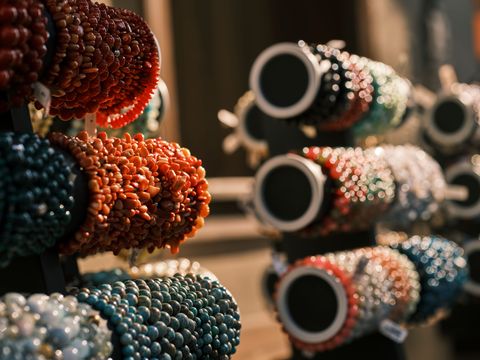
Carefully shaped beads: Coral beads may be round, oval, cylindrical, or irregular. Their shape affects the overall appearance of a necklace or bracelet.
Polished surfaces: Polishing can create a smooth finish and enhance the visible colour of the material. Excessive wear or unsuitable cleaning may damage this finish.
Precious-metal settings: Gold and silver components can frame coral beads or hold coral cabochons in pendants and earrings.
Decorative carving: Some pieces feature floral, geometric, or traditional motifs carved into suitable coral material.
Balanced composition: The spacing of beads, choice of chain, and relationship between coral and other materials influence the design.
Handmade Coral Jewellery
Handmade coral jewellery can involve several stages, including material selection, shaping, drilling, polishing, assembly, and final inspection.
Craftsmanship varies according to the designer, technique, material, and complexity of the piece. Handmade does not automatically mean that coral is natural, untreated, ethically sourced, or environmentally responsible.
When exploring handmade coral jewellery, readers should look for clear information about the material, manufacturing method, metal components, and any treatments used.
Traditional craftsmanship can be an important part of jewellery heritage, but responsible material sourcing is equally relevant when marine organisms are involved.
Popular Coral Necklace Designs for Summer
Necklaces are a prominent category of coral jewellery because they allow colour, bead arrangement, and pendant shapes to become central elements of an outfit.
Coral necklaces for women range from short, simple strands to long layered designs. Their suitability depends on neckline, clothing style, occasion, and individual comfort.
Red Coral Necklace Designs
Red coral necklace designs can feature uniform beads, graduated strands, carved pendants, or mixed-material arrangements.
A uniform bead necklace creates a consistent appearance, while graduated beads introduce variation in size and visual emphasis. A pendant necklace places attention on a single decorative element.
Common design approaches include:
Classic bead necklaces: Repeated beads arranged in a single strand.
Pendant necklaces: A coral focal point attached to a chain or cord.
Layered necklaces: Multiple strands or different necklace lengths worn together.
Mixed-material necklaces: Coral combined with metal, pearls, or other decorative materials.
Contemporary statement necklaces: Larger shapes, asymmetrical arrangements, or distinctive colour combinations.
The right style depends on the wearer's preferences rather than a universal seasonal rule.
Comparing Coral Necklace Styles
| Necklace style | Main characteristics | Suitable styling approach |
|---|---|---|
| Short coral necklace | Sits near the base of the neck | Open necklines and simple tops |
| Pendant necklace | Features one central decorative element | Everyday or occasion wear |
| Long coral necklace | Creates an extended vertical line | Layered or relaxed outfits |
| Graduated bead necklace | Beads vary in size | Traditional and formal clothing |
| Layered necklace | Combines different lengths | Simple outfits with limited competing accessories |
| Statement necklace | Uses larger or more noticeable elements | Plain clothing that allows the necklace to stand out |
These are general styling suggestions. Personal preferences, necklace weight, and comfort should guide the final choice.
Styling Coral Jewellery With Summer Clothing
Coral jewellery can introduce colour to lightweight summer outfits without requiring complicated styling. The goal is to balance the jewellery with the clothing's colour, pattern, neckline, and overall shape.
Coral Jewellery With Neutral Colours
White, beige, cream, grey, and black can provide a simple background for red or orange coral accessories.
A red coral pendant against a white shirt creates a clear colour contrast. A pale coral necklace can produce a softer effect with cream or light beige clothing.
Neutral clothing is not essential, however. Coral can also be combined with colourful outfits when the shades and proportions work together.
Coral Jewellery With Floral Prints
Floral prints often include multiple colours and decorative details. A simple coral pendant or small pair of earrings can complement a patterned outfit without competing with it.
If the clothing already includes strong red or orange elements, a coral accessory in a similar shade can create continuity. Alternatively, a contrasting colour may provide more visual distinction.
Coral Jewellery With Traditional Clothing
Coral necklaces can be styled with sarees, kurtas, dresses, and other traditional outfits. Designs with gold-tone elements may complement clothing featuring warm metallic details.
The necklace's length and weight should be considered alongside the neckline and fabric. Heavy jewellery can be less comfortable in hot weather, particularly during long outdoor events.
Practical Summer Styling Tips
Choose lightweight designs for extended outdoor activities.
Consider the neckline before selecting a necklace length.
Limit competing statement accessories when wearing an elaborate coral necklace.
Coordinate coral tones with the clothing rather than matching every colour exactly.
Consider skin sensitivity to metals and jewellery components.
Remove delicate pieces before swimming, exercising, or applying products that may affect their materials.
These suggestions help create a balanced appearance while supporting comfort and appropriate jewellery care.
Premium Gemstone Jewellery: Coral Compared With Other Materials
Coral belongs to a different material category from mineral gemstones. Comparing these materials can help readers understand their appearance, durability, and care requirements.
| Material | Origin | General characteristics | Care considerations |
|---|---|---|---|
| Coral | Biological, marine origin | Organic material with distinctive colour and texture | Sensitive to acids, chemicals, and abrasive cleaning |
| Ruby | Mineral gemstone | Red variety of corundum | Protect from damaging impacts and unsuitable treatments |
| Sapphire | Mineral gemstone | Available in several colours | Care depends on treatments and setting |
| Pearl | Biological origin | Layered nacre or other shell-related material | Sensitive to chemicals, abrasion, and prolonged exposure to cosmetics |
| Quartz | Mineral gemstone | Broad range of colours and varieties | Care depends on the specific variety and setting |
| Glass | Manufactured or naturally occurring material | Can imitate gemstone colours and shapes | May scratch or break depending on composition |
Coral is generally softer and more sensitive to environmental and chemical exposure than many commonly used mineral gemstones. This makes careful handling particularly important.
Readers should also distinguish between the appearance of a material and its identity. A red bead may be coral, glass, resin, dyed stone, or another substance. Colour alone cannot establish authenticity.
Recent Trends in Coral Jewellery and Sustainable Design
During 2025 and 2026, jewellery design discussions have continued to include colourful accessories, personalized pieces, handmade aesthetics, and greater attention to material provenance. These are broad design directions rather than evidence that every consumer prefers the same styles.
Coral jewellery also raises a specific environmental consideration: the relationship between decorative materials and marine ecosystems.
Colour and Statement Designs
Strong red, orange, and pink tones can create visual emphasis in summer accessories. Larger pendants and distinctive bead arrangements may be used as statement pieces, while small coral-coloured details suit more understated styling.
These approaches can be recreated with genuine coral or alternative materials, depending on the design and material preference.
Personalization and Craft Techniques
Personalized jewellery may include engraved metal components, selected bead patterns, or combinations of coral-inspired colours with other decorative elements.
Handmade techniques can produce variations in shape and texture. However, the use of traditional craftsmanship does not automatically establish the sustainability or legality of the source material.
Marine Conservation and Responsible Material Choices
Coral reefs support marine biodiversity and contribute to important coastal ecosystems. Some coral species used in jewellery grow slowly and can be vulnerable to harvesting pressure, habitat disturbance, and environmental change.
Responsible material selection involves checking the exact species, legal origin, documentation, and applicable trade requirements. When these details are unclear, coral-inspired alternatives made from glass, ceramic, or other materials can provide similar visual effects without requiring genuine coral.
For current information, readers should consult recognized wildlife authorities and official conservation guidance rather than relying solely on a seller's description or an unverified claim of sustainability.
Essential Tips for Coral Jewellery Care
Coral requires more careful handling than many durable mineral gemstones. Its organic composition makes it sensitive to acids, harsh chemicals, abrasion, and some cleaning methods.
Cleaning Coral Necklaces and Pendants
After wearing a coral necklace, gently wipe it with a soft, clean cloth if the material and finish permit. Avoid soaking coral jewellery or using household cleaners unless the manufacturer has specifically confirmed that the method is appropriate.
Useful care habits include:
Store coral pieces separately from harder gemstones and metal accessories.
Avoid direct contact with perfumes, hairsprays, cleaning agents, and cosmetics.
Remove coral jewellery before swimming or bathing.
Keep pieces away from prolonged heat and direct sunlight where practical.
Avoid ultrasonic cleaners and steam cleaning unless a qualified professional confirms suitability.
Inspect stringing, clasps, and settings regularly.
Follow material-specific instructions for treated or reconstructed coral.
Some coral jewellery is dyed, impregnated, coated, or otherwise treated. These treatments may affect how the piece responds to moisture, heat, or cleaning products.
Storage and Long-Term Preservation
Store coral jewellery in a clean, dry location away from abrasive objects. A separate soft pouch or lined compartment can help reduce scratches and prevent necklaces from tangling.
Do not assume that every coral piece requires the same storage conditions. Follow any specific care instructions supplied with the jewellery, particularly when the piece contains multiple materials.
If a coral pendant becomes loose, cracked, or discoloured, avoid attempting repairs with household adhesives or abrasive products. A qualified jewellery professional can assess the material and recommend an appropriate approach.
Coral Jewellery Laws and Wildlife Protection in India
Coral is not simply another decorative gemstone. Certain coral species are subject to national wildlife protections and international trade controls. The applicable requirements depend on the species, country of origin, form of the material, and circumstances of possession or trade.
Wildlife Protection Act, 1972
India's Wild Life (Protection) Act, 1972, provides a legal framework for protecting specified wild animals, plants, and related wildlife interests. Amendments and associated rules affect how the legislation operates.
Because different coral species may have different legal classifications, readers should not assume that all coral jewellery is automatically prohibited or automatically permitted. The exact species and applicable provisions matter.
Before acquiring jewellery made from genuine coral, verify whether the material is legally sourced and whether any required documentation or permissions apply.
CITES and International Coral Trade
The Convention on International Trade in Endangered Species of Wild Fauna and Flora (CITES) regulates international trade in listed species through a system of permits and certificates.
Several coral groups used in jewellery are covered by CITES controls. Black corals and various precious corals may be subject to specific listing requirements, depending on the species and applicable rules.
The legal status of a coral product cannot be established from its colour or appearance alone. Documentation, species identification, country of origin, and the purpose of movement across borders may all be relevant.
Responsible Documentation and Material Descriptions
Readers evaluating coral jewellery should seek accurate descriptions of the material and any treatments. Relevant information may include:
The stated coral species or material category.
Whether the piece contains genuine coral or a substitute.
The country of origin, where documented.
Relevant import, export, or legal-source documentation.
Information about dyes, coatings, reconstruction, or other treatments.
Documentation does not replace legal verification, but it can help clarify what a piece contains and whether further checks are needed.
For jewellery made with protected wildlife materials, consult the relevant Indian wildlife authorities and current CITES guidance before transporting the item internationally.
Frequently Asked Questions
1. What is coral jewellery?
Coral jewellery is made using coral material or materials designed to resemble coral. Genuine coral comes from marine organisms, while coral-inspired designs may use glass, resin, ceramic, or other substitutes. Accurate descriptions help distinguish these categories.
2. What colours are available in coral jewellery?
Coral materials can appear in red, pink, orange, white, and certain darker tones, depending on the species and material. Dyed or imitation products may have additional colours, so colour alone does not establish authenticity.
3. How can I identify genuine red coral gemstone jewellery?
Visual inspection alone may not reliably distinguish genuine coral from dyed, reconstructed, or imitation materials. Seek a clear material description and, when necessary, an assessment from a qualified gemological professional. Documentation may help establish the material's identity and treatment history.
4. How should coral necklaces be cleaned?
Use gentle, material-appropriate care and avoid harsh chemicals, abrasive products, prolonged soaking, and unsuitable cleaning equipment. Follow the specific care instructions for the piece, especially when it contains treated coral or multiple materials.
5. Is genuine coral jewellery subject to legal restrictions in India?
Some coral species are subject to wildlife protection laws and international trade controls. The requirements depend on the species and circumstances. Check the relevant Indian regulations and CITES requirements rather than assuming every coral product has the same legal status.
Conclusion
Summer coral jewellery combines distinctive colours, organic materials, and a wide range of decorative styles. Red coral necklaces, pink pendants, handmade bead designs, and coral-inspired accessories can complement different clothing styles and personal preferences.
Understanding material identity, design construction, and care requirements helps readers evaluate jewellery descriptions more carefully. Genuine coral also raises environmental and legal considerations that do not apply in the same way to every decorative material.
Responsible decisions involve checking authenticity, understanding treatments, following suitable maintenance practices, and verifying the legal status of protected coral species. For people who appreciate coral-inspired colours without using marine-derived material, alternatives such as glass, ceramic, and other manufactured materials provide additional design possibilities.
Ultimately, a well-informed approach to coral jewellery balances style, comfort, material knowledge, and respect for marine ecosystems.

Related Post...
Summer Coral Jewellery Guide: Explore Seasonal Designs, Styles, and Trends
Updated: October 26, 2026
Read More
Brazilian Gold Jewellery: A Complete Guide to Traditional Designs, Styles, and Trends
Updated: October 26, 2026
Read More
Mexican Aztec Pattern Rings: A Complete Guide to Traditional Designs and Cultural Symbolism
Updated: October 26, 2026
Read More