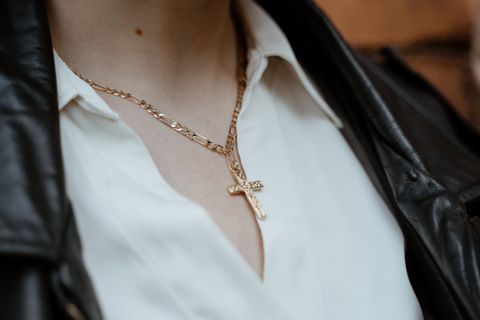
Romanian Gold Chains Guide: Explore Popular Styles, Designs, and Essential Tips
Gold chains have been worn across cultures for centuries as decorative accessories, personal keepsakes, and symbols of tradition. Their designs range from simple, lightweight necklaces to elaborate chains featuring intricate links, pendants, and textured finishes. Romanian gold jewelry forms part of a wider European jewelry tradition influenced by historical craftsmanship, regional customs, and changing design preferences.
A gold chain necklace consists of interconnected metal links arranged to create a flexible piece of jewelry. Its appearance depends on the link pattern, chain thickness, metal color, length, and finishing technique. Some chains are designed for everyday wear, while others feature decorative details suited to formal occasions.
Romanian gold chains can refer to gold jewelry associated with Romania, including pieces made by Romanian jewelers or designs influenced by regional traditions. However, the term does not automatically establish where a chain was manufactured or whether it contains authentic gold. Material composition, markings, and supporting documentation are important when evaluating an individual piece.
What Makes Romanian Gold Jewelry Distinctive?
Romanian jewelry reflects influences from traditional European ornamentation, historical metalworking, and contemporary design. Traditional Romanian clothing has included decorative necklaces, coin ornaments, beads, and other accessories that vary by region.
One historical example is the salbă, a necklace made using coins. Traditional examples could incorporate gold, silver, or copper coins and were worn in different arrangements depending on regional clothing customs. These pieces demonstrate how jewelry can communicate cultural identity as well as personal style.
Modern Romanian gold jewelry can include minimalist chains, traditional-inspired ornaments, geometric patterns, and contemporary designer pieces. Not every chain associated with Romania follows a particular traditional pattern, so the design and origin of an individual item should be considered separately.
Common characteristics to explore include:
Detailed link patterns: Different link shapes create distinctive textures and reflections.
Polished finishes: Smooth surfaces create a bright, reflective appearance.
Textured finishes: Brushed or patterned surfaces provide a less reflective look.
Decorative pendants: Small ornaments add personal meaning to a necklace.
Traditional influences: Some designs draw inspiration from historical ornaments and regional craftsmanship.
Contemporary styling: Modern chains may use simple shapes and restrained decoration.
Understanding these characteristics helps beginners distinguish between the chain's visual style, its material composition, and its cultural background.
Popular Types of Gold Chain Necklaces
Gold chains are available in numerous link patterns. Each pattern affects flexibility, appearance, and how the chain interacts with clothing. Choosing a style begins with understanding these differences.
Cable Chains
Cable chains consist of individual oval or round links connected in a repeating pattern. Their simple construction gives them a classic appearance.
They can be worn alone or paired with compatible pendants. Cable chains are available in different widths, lengths, and gold purities.
Curb Chains
Curb chains feature interlocking links that lie relatively flat against the body. Their structure creates a continuous pattern that can appear understated or substantial depending on the link dimensions.
These chains are commonly associated with both traditional and contemporary jewelry styles.
Figaro Chains
Figaro chains use a repeating pattern of links, often combining one elongated link with several shorter links. The alternating arrangement creates a recognizable decorative rhythm.
Figaro designs are available in different thicknesses and can suit people who prefer a chain with more visual detail than a basic cable pattern.
Rope Chains
Rope chains consist of smaller links twisted together to create a rope-like appearance. Their layered structure produces multiple reflective surfaces.
The appearance depends on the construction, link density, and thickness. Some rope chains are lightweight, while others have a more substantial structure.
Box Chains
Box chains use square-shaped links arranged in a continuous sequence. Their geometric construction creates a clean, structured appearance.
They can complement small pendants, although compatibility depends on the pendant's attachment point and the chain's dimensions.
Singapore Chains
Singapore chains use twisted, interconnected links to create a flexible pattern with a shimmering appearance. Their distinctive texture can make them suitable for delicate necklace designs.
Because different chains have different constructions, their flexibility and resistance to wear should be assessed individually.
Comparing Popular Chain Styles
| Chain style | Main feature | General appearance | Important consideration |
|---|---|---|---|
| Cable | Oval or round links | Classic and simple | Link thickness |
| Curb | Flattened interlocking links | Structured and bold | Link dimensions |
| Figaro | Alternating link lengths | Decorative | Pattern and proportions |
| Rope | Twisted link structure | Textured and reflective | Construction quality |
| Box | Square-shaped links | Geometric and clean | Flexibility |
| Singapore | Twisted, interlocking links | Delicate and shimmering | Fine-link maintenance |
No chain style is automatically more durable than every other design. Strength depends on the metal alloy, link dimensions, manufacturing quality, clasp, and how the necklace is worn.
Understanding 14K, 18K, and Solid Gold Chains
Gold purity is one of the most important factors to understand when examining luxury gold chains. A chain's appearance alone cannot establish its gold content. Purity markings and reliable documentation provide more useful information.
Pure gold is relatively soft, so jewelry is commonly made from alloys that combine gold with other metals. These additions influence the metal's strength, color, and working characteristics.
What Are 14K Gold Chains?
14K gold contains approximately 58.3% gold, with the remaining portion consisting of other metals. It is commonly used for jewelry intended for regular wear.
The additional alloying metals influence its hardness and color. Depending on the composition, 14K gold may appear yellow, white, or rose-colored.
When evaluating 14K gold chains, consider the link construction, clasp quality, dimensions, and the accuracy of the stated purity.
What Are 18K Gold Chains?
18K gold contains 75% gold. Its higher gold content gives it a different composition from 14K gold.
It is used in many fine-jewelry designs and can be produced in several colors depending on the alloy. As with other gold jewelry, durability depends on the design and manufacturing quality rather than purity alone.
An 18K chain may suit someone who prefers a higher gold proportion, but its suitability for everyday wear depends on its construction and intended use.
What Does Solid Gold Mean?
Solid gold jewelry is generally made from a gold alloy throughout the relevant component rather than consisting of a thin gold layer over a different base metal.
The term does not necessarily mean that the jewelry contains 24K gold. A solid 14K or solid 18K chain is made from the corresponding gold alloy throughout its structure.
This distinction is important because solid gold, gold-plated, and gold-filled jewelry describe different material constructions.
Gold Jewelry Comparison
| Jewelry description | General meaning | What to examine |
|---|---|---|
| 14K solid gold | Gold alloy containing about 58.3% gold | Purity and construction |
| 18K solid gold | Gold alloy containing 75% gold | Purity and construction |
| Gold-plated | A base material with a surface layer of gold | Base metal and coating |
| Gold-filled | A base material with a mechanically bonded gold layer | Layer specification and applicable standards |
| Gold-tone jewelry | Jewelry with a gold-like appearance | Actual material composition |
These descriptions are not interchangeable. Readers should check the exact material specification rather than assuming that every gold-colored chain contains solid gold.
Luxury Gold Chains for Men and Women
Luxury gold chains are available in many styles, from simple necklaces to detailed designs with prominent links. The term luxury describes a broad design category rather than a standardized level of gold purity or manufacturing quality.
Personal style, comfort, and intended use are more helpful when evaluating a chain than relying on a category label alone.
Gold Chains for Men
Gold chains for men often include curb, Figaro, rope, and box designs. Some feature wider links, while others use a narrow profile for a more understated appearance.
Important considerations include:
Width: Wider chains create a more noticeable appearance.
Length: Chain length affects where the necklace rests on the chest.
Weight: Heavier chains may feel different during extended wear.
Clasp design: The clasp should be appropriate for the chain's weight and construction.
Styling: A chain can be worn alone or paired with a compatible pendant.
These are general design observations, not strict rules. Any chain style can be suitable for different people according to individual preferences.
Gold Chains for Women
Gold chains for women range from delicate necklaces to substantial link designs. Fine cable chains and small rope chains are commonly used with pendants, while curb and geometric styles can create a more prominent appearance.
Consider these factors when comparing designs:
Daily comfort: Lightweight chains may be more comfortable for extended wear.
Pendant compatibility: The pendant opening must fit the chain, and the combined weight should suit its construction.
Neckline: Different lengths complement different clothing styles.
Metal color: Yellow, white, and rose gold create different visual effects.
Versatility: A simple chain may work with multiple outfits, while a detailed design may suit specific occasions.
A person's gender does not determine which chain style they should wear. The most appropriate design is the one that matches their preferences and comfort.
Premium Gold Necklaces and Custom Chain Designs
Premium gold necklaces may feature carefully finished links, distinctive proportions, decorative clasps, or personalized elements. However, premium appearance does not independently establish purity, authenticity, or durability.
A custom gold chain is a piece designed or modified according to specified dimensions, materials, or decorative preferences. Customization can involve chain length, link pattern, pendant attachment, engraving, or the combination of different design elements.
Common Customization Options
Chain length: The necklace can be designed to sit at a particular position.
Link pattern: Cable, curb, Figaro, and other patterns provide different visual effects.
Metal color: Yellow, white, and rose gold offer different appearances.
Pendant attachment: The chain can be designed to accommodate a compatible pendant.
Engraving: Some clasps or decorative elements can include initials or a meaningful date.
Surface finish: Polished, brushed, and textured finishes create different effects.
Before finalizing a custom design, it is helpful to establish the intended dimensions, gold purity, construction details, clasp type, and maintenance requirements.
Designer Gold Chains
Designer gold chains may incorporate distinctive patterns, sculptural links, geometric details, or recognizable design themes. Their appearance can reflect a particular designer's approach to proportion, material, and ornamentation.
A designer label does not replace material verification. Buyers and collectors should still distinguish between the design identity, the actual metal composition, and any applicable hallmark.
Authentic Gold Chains: How to Assess Quality
Authenticity is an important consideration when evaluating gold jewelry. A chain may appear yellow and reflective without being made from solid gold.
A careful assessment considers markings, documentation, physical characteristics, and the reliability of the information provided about the piece.
Important Checks for Authentic Gold Jewelry
Inspect the purity marking. Common markings include 585 for approximately 14K gold and 750 for 18K gold. Markings can vary by jurisdiction, and their presence alone is not conclusive proof of authenticity.
Examine the hallmark. Applicable hallmarking systems can provide information about declared purity and the responsible party. Requirements differ between countries.
Review the documentation. Records may identify the stated metal composition, purity, manufacturer, and other relevant characteristics.
Assess the construction. Look closely at link connections, clasp alignment, surface finish, and signs of damage.
Use professional testing when necessary. A qualified precious-metal examiner can help assess composition when markings or documentation are uncertain.
Magnetic testing alone cannot establish whether a chain is authentic gold. Different metals and components behave differently, so a single informal test should not be treated as definitive proof.
Essential Tips for Gold Chain Care and Maintenance
Gold jewelry can develop scratches, collect dirt, or experience wear through regular use. Appropriate care helps maintain its appearance and identify potential problems before they worsen.
Daily Care Habits
Remove delicate chains before activities involving pulling, impact, or heavy movement.
Keep necklaces separate to reduce tangling and scratching.
Store jewelry in a dry place away from harsh chemicals.
Avoid direct contact with chlorine and strong cleaning products.
Use a soft cloth for routine cleaning when appropriate.
Follow the care instructions for the specific gold alloy and finish.
Inspect clasps and links periodically for looseness or damage.
Avoid pulling tangled chains apart with excessive force.
Cleaning methods should reflect the jewelry's construction. A chain containing gemstones, coatings, or delicate components may require different treatment from a plain gold chain.
How to Store Gold Chains
A separate pouch or lined jewelry compartment can help prevent chains from becoming tangled with other pieces. Fine chains should be stored without unnecessary tension, while heavier chains should be supported so their links are not strained.
For travel, use a compartment that limits movement and keeps the necklace separate from other jewelry. Before storage, ensure the piece is dry and free from residues that could affect its surface.
When Should a Chain Be Professionally Examined?
Consider professional examination if the chain develops a damaged clasp, visibly stretched links, broken connections, or a loose pendant attachment.
Regular inspection is especially useful for fine-link necklaces and chains worn frequently. Repair methods should be appropriate for the metal composition and link construction.
Recent Developments in Romanian Gold Jewelry
Jewelry design continues to combine traditional craftsmanship with contemporary approaches. In Romanian jewelry, historical ornamentation provides cultural context, while modern designers explore new forms, materials, and presentation methods.
Historical Inspiration and Contemporary Design
Traditional Romanian coin necklaces and decorative ornaments illustrate the relationship between jewelry and regional clothing customs. Contemporary jewelry design can reinterpret historical shapes without reproducing traditional pieces exactly.
Modern gold chain designs also reflect wider international preferences, including minimalist link patterns, geometric forms, mixed-metal combinations, and personalized jewelry.
These are broad design directions rather than evidence that one particular chain style is universally preferred. Individual tastes and regional traditions vary.
December 2025: Updated Precious-Metal Authorization Rules
Romania published Order No. 927/2025 concerning authorization procedures for national economic operators conducting activities involving precious metals and gemstones. The order was published in Romania's Official Gazette on 30 December 2025 and entered into force on that date. It addresses authorization procedures and related administrative requirements for relevant operators.
This development is relevant to the regulatory framework surrounding precious-metal activities in Romania. It does not mean that the design or gold purity of every individual chain changed.
For current information, readers should distinguish between jewelry fashion developments and changes to the legal requirements governing precious metals.
Laws and Precious-Metal Regulations in Romania
Romania regulates precious-metal jewelry through legislation addressing metal purity, hallmarking, and the activities of relevant economic operators.
Precious-Metal Hallmarking
Romania's Emergency Ordinance No. 190/2000, as amended, provides a legal framework for precious metals and gemstones. The National Authority for Consumer Protection, known as ANPC, is responsible for relevant activities that include authorization, analysis, hallmarking, and examination of precious-metal objects.
The applicable legal framework identifies recognized gold fineness levels, including 585 and 750. These correspond to approximately 14K and 18K gold, respectively.
When examining a Romanian gold chain, readers should consider the relevant fineness mark, responsibility mark, and state hallmark requirements. Applicable exemptions and recognition of equivalent marks can affect how the rules apply to particular items.
Consumer Protection and Accurate Descriptions
Accurate information about metal composition is important when evaluating gold jewelry. A description should distinguish solid gold from plated jewelry and should not misrepresent the stated purity or material.
Consumers should retain relevant documentation and review markings carefully. If the authenticity or composition of an item is uncertain, the appropriate authority or a qualified precious-metal examiner can provide additional guidance.
Regulatory requirements may differ for personal possessions, imported items, and jewelry placed on the Romanian market. The applicable rules should therefore be checked for the specific circumstances.
Frequently Asked Questions
1. What makes Romanian gold chains different from other gold chains?
Romanian gold chains may reflect local jewelry traditions, contemporary Romanian design, or broader European influences. However, the term does not automatically establish a chain's manufacturing origin, purity, or authenticity. Individual markings and documentation provide more specific information.
2. What is the difference between 14K and 18K gold chains?
14K gold contains approximately 58.3% gold, while 18K gold contains 75%. Their alloy compositions influence color and physical characteristics. Neither purity alone nor appearance establishes the overall durability of a particular chain.
3. Are solid gold chains the same as gold-plated chains?
No. Solid gold chains are made from a gold alloy throughout the relevant structure, whereas gold-plated jewelry has a surface layer of gold over a different base material. The distinction should be clearly established through accurate material descriptions.
4. Which gold chain styles are commonly worn by men and women?
Curb, Figaro, rope, cable, box, and Singapore chains are examples of widely recognized patterns. Their suitability depends on individual preferences, dimensions, construction, and intended use rather than gender alone.
5. How can authentic gold chains be identified?
Review the purity markings, applicable hallmarks, and supporting documentation. When uncertainty remains, a qualified precious-metal examiner can assess the composition. Appearance or a simple magnetic test cannot conclusively establish authenticity.
Conclusion
Romanian gold chains combine a wide range of link patterns, metal compositions, and design influences. Traditional ornaments provide cultural context, while contemporary gold chain necklaces include minimalist, geometric, decorative, and personalized styles.
Understanding 14K and 18K gold, solid gold construction, chain patterns, and clasp quality helps readers evaluate jewelry more carefully. The distinction between authentic gold, gold-plated pieces, and gold-tone jewelry is particularly important when interpreting product descriptions.
Proper storage, routine inspection, and appropriate cleaning can help preserve a chain's appearance and condition. In Romania, understanding precious-metal marking requirements and the role of ANPC also provides useful context when assessing gold jewelry.
Ultimately, a suitable gold chain is one that matches personal style, comfort, and intended use. Knowledge of materials, craftsmanship, and applicable regulations helps readers appreciate both the decorative and cultural aspects of Romanian gold jewelry.

Related Post...

Electric Power Maintenance: A Complete Guide to Electrical Systems and Safety
Updated: October 27, 2026
Read More
Minimalist Solitaire Engagement Rings: A Complete Guide to Simple and Timeless Designs
Updated: October 28, 2026
Read More
Dutch Pearl Necklaces Guide: Explore Styles, Designs, and Essential Tips
Updated: October 30, 2026
Read More