Scrap Shears Guide: Types, Features, Benefits, and Essential Tips
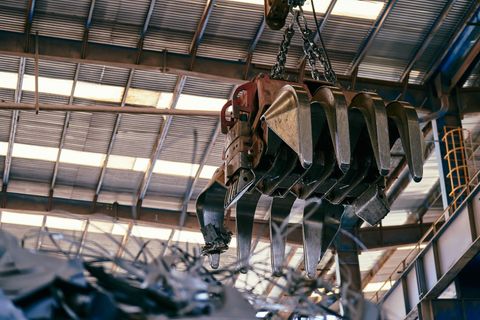
Scrap shears are industrial machines designed to cut metal scrap into smaller, more manageable pieces. They are commonly used in metal recycling facilities, scrap yards, manufacturing plants, demolition operations, and metal processing environments. By reducing the size of metal components, these machines help prepare materials for sorting, transportation, storage, and further processing.
many industrial applications because it can generate substantial force within a relatively compact system. However, cutting capacity depends on the complete machine design rather than hydraulic pressure alone.
Factors such as blade geometry, frame strength, cylinder dimensions, material properties, and operating conditions all influence performance.
Types of Scrap Shears Used in Industrial Applications
Different scrap shears are designed for different material sizes, shapes, processing volumes, and operating environments. Selecting an appropriate machine requires understanding these differences.
Hydraulic Scrap Shears
Hydraulic scrap shears use hydraulic cylinders to generate cutting force. They are used in many industrial environments where metal scrap requires controlled cutting and size reduction.
These machines may process suitable steel sections, pipes, sheet metal, and other materials within their rated capacity.
Common characteristics include:
Hydraulic cylinders that operate the cutting mechanism.
Heavy structural frames designed to withstand operating forces.
Replaceable cutting blades on many machine designs.
Control systems for managing the cutting cycle.
Configurations suited to different material dimensions and processing requirements.
Hydraulic systems can provide controlled movement and substantial force. Their performance depends on appropriate fluid condition, cylinder maintenance, pressure settings, and machine design.
Industrial Scrap Shear Machines
An industrial scrap shear machine is a broad category of equipment used to cut metal scrap in industrial settings. It may use hydraulic power or another cutting mechanism, depending on the design.
Industrial systems vary considerably in size and capacity. Some are intended for relatively small manufacturing offcuts, while others are designed for large volumes of scrap metal.
Typical applications include preparing metal components for recycling, reducing the length of structural sections, and processing suitable metal waste generated during manufacturing.
When evaluating an industrial scrap shear machine, consider the expected material dimensions, metal grades, processing frequency, available floor space, and integration with other equipment.
Alligator Scrap Shears
Alligator shears use a hinged cutting mechanism resembling the jaws of an alligator. The upper blade moves toward a fixed lower blade to cut suitable metal components.
These machines are commonly associated with cutting smaller metal sections, rods, pipes, and certain manufacturing offcuts. Their suitability depends on the material's dimensions, composition, and the machine's rated capacity.
Alligator shears can occupy less space than some large industrial systems. However, their operating method and cutting capacity differ from those of large hydraulic guillotine or container-style scrap shears.
Guillotine Scrap Shears
Guillotine shears use a blade that moves across a cutting line to separate metal material. They are commonly used for sheet metal, plate material, and other suitable sections, depending on the machine's configuration.
The cutting mechanism may be hydraulic or mechanical. Blade alignment, cutting clearance, material thickness, and workpiece positioning are important factors affecting the quality of the cut.
Industrial guillotine systems may be integrated into manufacturing and recycling operations where consistent cutting dimensions are required.
Container-Style and Large-Scale Scrap Shears
Large-scale scrap shears may incorporate a loading chamber or container that holds metal scrap during processing. These systems are designed for industrial environments handling bulky or irregularly shaped material.
Depending on the design, they may include compression mechanisms that position or compact scrap before the cutting operation. This can help manage material that would otherwise be difficult to handle.
These systems require careful consideration of loading arrangements, operator visibility, guarding, material flow, and maintenance access.
Comparison of Common Scrap Shear Types
| Machine type | Typical application | Important consideration |
|---|---|---|
| Hydraulic scrap shear | General industrial metal scrap processing | Hydraulic capacity and material compatibility |
| Industrial scrap shear machine | Manufacturing and recycling operations | Processing requirements and installation space |
| Alligator shear | Suitable rods, pipes, and smaller metal sections | Jaw opening and rated cutting capacity |
| Guillotine shear | Sheet metal and suitable plate material | Blade clearance and material thickness |
| Container-style shear | Bulky and irregular scrap | Loading method and material handling |
| Mechanical shear | Applications suited to mechanical cutting systems | Drive mechanism and operating characteristics |
These categories can overlap. For example, a guillotine shear may also be hydraulic, while a large industrial scrap shear may incorporate a loading chamber.
Important Features of Hydraulic Metal Shearing Machines
A hydraulic metal shearing machine combines mechanical structure, hydraulic components, and control systems to apply cutting force. Understanding its major features helps explain how the machine functions and what maintenance it requires.
Hydraulic Power System
The hydraulic power system provides pressurized fluid to operate cylinders and other hydraulic components. It commonly includes a pump, reservoir, filters, valves, pipes, and associated controls.
Fluid quality and correct operating conditions are important for system reliability. Contamination, leaks, overheating, and unsuitable fluid levels can affect operation.
Cutting Blades
Cutting blades apply the force that separates metal material. Their geometry, hardness, alignment, and condition influence cutting performance.
Blade material and design vary according to the machine and intended application. Blades may require inspection, sharpening, adjustment, or replacement as they wear.
Structural Frame
The frame supports the machine's components and withstands the forces generated during cutting. Industrial scrap shears require a structure designed for their intended load and operating conditions.
Structural wear, cracks, deformation, or loose fasteners can create serious mechanical risks. Inspections should follow the manufacturer's requirements.
Control Systems
Controls allow operators to initiate, stop, and manage the cutting cycle. Depending on the machine, these may include buttons, foot controls, programmable systems, sensors, and emergency-stop devices.
Control design should support safe operation and prevent unexpected movement. Operators must understand the machine's specific controls and operating procedures before using it.
Safety Guards and Interlocks
Guards, barriers, interlocks, and other protective measures help reduce exposure to moving blades and crushing points. Their design depends on the equipment and applicable safety requirements.
Safety features should never be bypassed to speed up processing. Damaged guards or malfunctioning interlocks must be addressed before the equipment returns to operation.
Benefits of Scrap Metal Processing Equipment
Scrap metal processing equipment helps organize the movement of metal waste from collection to subsequent processing. Scrap shears are one component of this broader system.
More Manageable Material Sizes
Cutting large pieces into smaller sections can make metal easier to handle, sort, store, and transport. The appropriate dimensions depend on the downstream processing equipment and the requirements of the recycling facility.
Support for Recycling Operations
Metal recycling often involves collection, sorting, size reduction, separation, and preparation for further processing. Scrap shears can support the size-reduction stage by cutting suitable metal items into manageable pieces.
Steel, aluminum, copper, and other metals may follow different processing routes. The machine must be suitable for the material being handled.
Improved Workflow Organization
When integrated into a properly planned facility, industrial metal cutting machines can help establish a more consistent material flow. Loading areas, cutting stations, storage locations, and material transport routes can be arranged to reduce unnecessary movement.
Workflow improvements depend on the complete facility layout, operator training, machine reliability, and coordination between processing stages.
Support for Industrial Material Recovery
Manufacturing plants generate metal offcuts during fabrication and production. Scrap shears can help prepare suitable offcuts for recovery and recycling rather than allowing them to accumulate in disorganized storage areas.
Effective material recovery also depends on separating different metal types and identifying materials that require specialized handling.
Potential Space and Handling Advantages
Reducing the dimensions of bulky scrap can make storage arrangements easier to manage. However, the actual space required depends on material density, stacking practices, fire safety requirements, and the layout of the processing facility.
Cutting scrap does not eliminate the need for careful material handling. Heavy pieces still require appropriate lifting equipment, clear movement routes, and trained personnel.
How Scrap Shears Fit Into Metal Recycling
Metal recycling involves several interconnected stages. Scrap shears generally perform a cutting or size-reduction function within the larger process.
A typical workflow may include the following activities.
Collection: Metal scrap is gathered from manufacturing, construction, demolition, or other approved sources.
Inspection: Incoming materials are checked for hazardous items, unsuitable components, and contamination.
Sorting: Materials are separated according to metal type, dimensions, condition, and processing requirements.
Preparation: Suitable materials are positioned or prepared for the selected cutting method.
Shearing: The machine cuts material into pieces within its rated capacity.
Further processing: The resulting material may undergo additional sorting, separation, shredding, or preparation.
Storage and transfer: Processed material is stored and moved to the next stage of the recycling process.
Not every facility follows the same sequence. Some operations use shredders, balers, torches, or other cutting systems in addition to shears.
Scrap Shears Compared With Other Metal Cutting Equipment
| Equipment | Primary function | Common distinction |
|---|---|---|
| Scrap shear | Cuts suitable metal scrap | Applies a shearing force |
| Metal shredder | Breaks material into smaller fragments | Uses rotating cutting elements or other shredding mechanisms |
| Metal baler | Compresses metal scrap into compact bundles | Focuses on compaction rather than cutting |
| Plasma cutting system | Uses a plasma arc to cut electrically conductive material | Uses thermal cutting |
| Laser cutting machine | Uses a focused laser beam to cut suitable material | Provides controlled thermal cutting |
| Metal saw | Cuts material using a toothed or abrasive blade | Uses a sawing action |
These machines are not direct substitutes in every situation. Their suitability depends on material composition, thickness, shape, required cut quality, processing volume, and the intended next stage.
Essential Tips for Selecting an Industrial Metal Cutting Machine
Choosing a scrap shear requires evaluating both technical specifications and the actual conditions of the processing environment. A machine's maximum rated capacity alone does not establish whether it is suitable for a particular operation.
Understand the Material Being Processed
Identify the metal types, typical dimensions, maximum thickness, and general condition of the incoming material. Steel sections, aluminum components, pipes, and mixed scrap can behave differently during cutting.
Materials containing sealed containers, unidentified substances, hazardous residues, or unsuitable components require separate assessment before processing.
Check Cutting Capacity
Manufacturers specify operating limits for particular machine configurations and materials. These limits may include maximum thickness, width, cross-sectional dimensions, or other material-specific ratings.
Avoid assuming that a machine can cut every metal section that physically fits inside its opening. The rated capacity and manufacturer's operating instructions should determine suitability.
Evaluate the Processing Environment
Consider the available floor space, material loading arrangements, electrical supply, hydraulic power requirements, noise levels, and maintenance access.
Large industrial systems may also require suitable foundations, lifting arrangements, and coordination with other material-handling equipment.
Review Maintenance Requirements
Maintenance needs vary by machine type and operating intensity. Review the recommended inspection schedule, hydraulic fluid requirements, blade maintenance procedures, spare component availability, and technical documentation.
A planned maintenance routine can help identify wear and emerging problems before they interrupt normal operations.
Consider Operator Training
Operators should understand the machine's controls, loading limits, protective devices, emergency procedures, and material restrictions. Training should be specific to the equipment being used.
Machine selection should also consider visibility, access to controls, ease of inspection, and the ability to perform maintenance safely.
Hydraulic Scrap Shear Maintenance and Troubleshooting
Routine maintenance helps preserve equipment condition and identify problems that may affect reliability. All inspections and repairs should follow the manufacturer's instructions and the facility's safety procedures.
Daily and Routine Inspection
Before operation, authorized personnel should inspect the equipment according to the applicable checklist. This may include checking visible hydraulic leaks, damaged hoses, unusual noises, blade condition, guards, and emergency-stop functions.
Any defect affecting safe operation should be reported and addressed before the machine is used.
Hydraulic System Care
Hydraulic fluid transfers power and helps lubricate certain system components. Incorrect fluid, contamination, excessive temperature, or leaks can affect machine operation.
Maintenance should include checking fluid condition and levels, filters, hoses, seals, and other components according to the manufacturer's schedule.
Hydraulic systems may retain dangerous pressure even when the machine has stopped. Maintenance personnel must follow approved isolation and pressure-release procedures before working on the system.
Blade Inspection
Blades experience wear as they cut metal. Damaged, incorrectly aligned, or excessively worn blades can affect cutting quality and place additional stress on the equipment.
Blade adjustment and replacement should be performed only by authorized personnel following the specified procedures.
Common Operating Problems
| Problem | Possible causes | Appropriate response |
|---|---|---|
| Incomplete cutting | Material exceeds capacity, blade wear, or mechanical problems | Stop and assess the machine and material specifications |
| Slow operation | Hydraulic issues, unsuitable settings, or component wear | Follow the approved diagnostic procedure |
| Hydraulic leakage | Damaged seals, hoses, fittings, or other components | Stop operation when unsafe and arrange qualified inspection |
| Unusual noise | Loose parts, wear, or mechanical faults | Stop and investigate according to safety procedures |
| Irregular cut | Blade condition, alignment, or unsuitable material positioning | Inspect the setup and follow manufacturer guidance |
These symptoms do not establish a single cause. Diagnosis should be performed by qualified personnel, and operators should not attempt repairs beyond their training or authorization.
Workplace Safety for Heavy-Duty Scrap Shears
Heavy-duty scrap shears generate substantial forces and can create crushing, cutting, impact, and material-ejection hazards. Safe operation requires suitable equipment design, effective guarding, trained personnel, and controlled work practices.
Important Safety Practices
Read the manufacturer's operating instructions before using the equipment.
Ensure operators receive machine-specific training.
Keep hands and other body parts outside hazardous cutting areas.
Use the designated loading and material-handling equipment.
Never bypass safety guards, interlocks, or emergency-stop mechanisms.
Keep unauthorized personnel away from operating and maintenance areas.
Use appropriate protective equipment identified by the workplace risk assessment.
Stop the equipment and follow approved procedures if a hazardous condition develops.
Apply proper energy isolation and lockout procedures before maintenance.
Keep the surrounding work area organized and free of unnecessary obstructions.
Hydraulic pressure, gravity, stored mechanical energy, and moving components can remain hazardous even when a machine is switched off. Maintenance must follow the manufacturer's energy-isolation instructions and the facility's established safety procedures.
Recent Developments and Technology Trends in Metal Recycling
During 2025 and 2026, industrial recycling discussions have continued to emphasize automation, material traceability, energy efficiency, equipment monitoring, and improved separation of recyclable materials. The pace of adoption varies across industries and regions.
Automation and Digital Monitoring
Sensors and industrial control systems can monitor operating conditions, production cycles, and selected equipment parameters. When correctly implemented, this information can help maintenance teams identify unusual behavior and organize inspections.
However, monitoring systems do not eliminate the need for physical inspection, operator training, or compliance with safety procedures.
Predictive Maintenance
Predictive maintenance uses equipment data and condition monitoring to help identify possible component problems before a failure occurs. Depending on the system, monitored information may include temperature, vibration, hydraulic pressure, and operating cycles.
The usefulness of this approach depends on sensor quality, data interpretation, maintenance expertise, and the operating environment.
Greater Attention to Material Traceability
Recycling operations increasingly consider how material origin, composition, and processing history affect quality and regulatory compliance. Accurate records can help facilities distinguish metal types and document material movement.
Traceability requirements vary by material, jurisdiction, and industrial application.
Resource Efficiency
Metal recovery can reduce the need for some primary raw materials, although environmental outcomes depend on energy consumption, transportation, contamination, and the complete recycling process.
Scrap shears contribute by preparing suitable metal materials for subsequent processing, but their environmental benefits cannot be assessed independently of the wider operation.
Laws and Industrial Safety Considerations in India
Industrial metal-cutting operations in India may be affected by workplace safety legislation, environmental rules, machinery requirements, and waste-management obligations. The specific requirements depend on the facility, its activities, the materials handled, and the applicable jurisdiction.
Occupational Safety and Health
India's Occupational Safety, Health and Working Conditions Code, 2020, provides a legislative framework for occupational safety and working conditions. The applicable commencement notifications, rules, and requirements should be checked for the relevant establishment.
Industrial facilities should maintain appropriate safeguards, worker training, equipment inspection procedures, and emergency arrangements in accordance with applicable requirements.
Environmental Protection and Waste Management
The Environment (Protection) Act, 1986, provides a framework for environmental protection in India. Other applicable rules and permissions may affect industrial activities, including waste handling, pollution control, and the operation of recycling facilities.
Facilities should determine which approvals, registrations, or environmental conditions apply to their particular activities. Scrap shears alone do not establish whether a recycling operation complies with environmental requirements.
Equipment Standards and Documentation
Industrial machinery should be assessed against the relevant technical standards, manufacturer specifications, and applicable safety requirements.
Documentation may include operating manuals, maintenance records, inspection checklists, equipment ratings, and worker training records. These documents support consistent operation and help establish how equipment is intended to be used.
Because regulatory requirements can change, organizations should consult official government publications and relevant authorities for current requirements rather than relying only on general summaries.
Frequently Asked Questions
1. What are scrap shears used for?
Scrap shears cut suitable metal waste into smaller pieces for handling, sorting, storage, transportation, or further recycling. Their applications include metal recycling facilities, manufacturing plants, and industrial scrap-processing operations.
2. How does a hydraulic scrap shear work?
A hydraulic scrap shear uses pressurized fluid to operate cylinders that move a cutting blade. The blade applies force against the material to separate it, provided the material falls within the machine's rated capacity.
3. What is the difference between scrap shears and metal shredders?
Scrap shears cut material using a shearing action, while metal shredders break material into smaller fragments using shredding mechanisms. The appropriate equipment depends on the material and the requirements of the next processing stage.
4. What factors determine the capacity of an industrial scrap shear?
Capacity depends on machine design, hydraulic or mechanical power, blade geometry, frame strength, material thickness, metal properties, and the dimensions of the workpiece. Manufacturer ratings should be checked for the specific material being processed.
5. How can scrap shears be maintained safely?
Follow the manufacturer's maintenance schedule, inspect blades and hydraulic components, and address defects promptly. Before maintenance, isolate energy sources and release stored pressure according to approved procedures. Repairs should be performed by trained and authorized personnel.
Conclusion
Scrap shears are important components of industrial metal processing and recycling systems. Hydraulic scrap shears, alligator shears, guillotine shears, and large-scale industrial systems perform different cutting functions according to their design and intended applications.
Understanding machine capacity, hydraulic components, blade condition, material compatibility, and maintenance requirements helps readers evaluate these systems more effectively. Safety measures, operator training, and proper energy isolation remain essential because industrial shearing equipment generates significant mechanical forces.
Automation, condition monitoring, and improved material traceability are also shaping modern industrial operations. However, reliable results depend on suitable equipment, responsible operation, appropriate maintenance, and compliance with applicable requirements.
By understanding the fundamentals of scrap metal processing equipment, beginners can develop a clearer picture of how industrial cutting technology supports material recovery, manufacturing workflows, and metal recycling.

Related Post...
Scrap Shears Guide: Types, Features, Benefits, and Essential Tips
Updated: October 28, 2026
Read More
CNC Cutting Machine Guide: Basics, Working Principles, Types, and Applications
Updated: October 22, 2026
Read More