Clothing Styles Guide: Types, Features, Fashion Trends, and Styling Tips
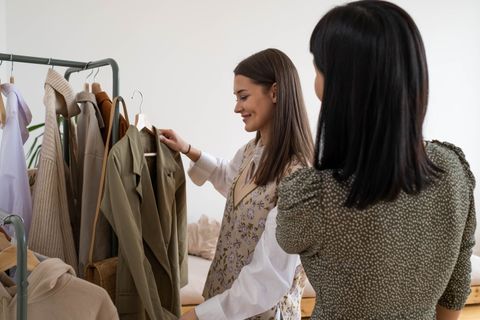
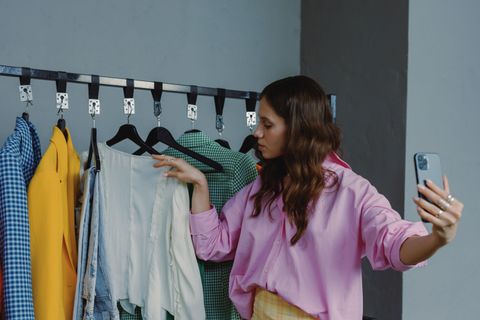
clothing styles describe the different ways people choose garments, colors, fabrics, patterns, and accessories to create a particular appearance. Fashion can reflect personal preferences, cultural traditions, professional expectations, seasonal needs, and changes in society.
Some people prefer comfortable everyday clothing, while others enjoy formal outfits, minimalist wardrobes, traditional garments, or contemporary designer collections. Clothing choices can also change according to climate, workplace requirements, age, personal comfort, and individual activities.
Understanding different clothing styles helps people identify garments that suit their routines and preferences. It also makes wardrobe planning easier by providing a framework for combining existing clothes, selecting appropriate fabrics, and creating outfits for different occasions.
Fashion does not require following every new trend. A practical wardrobe can include a combination of timeless basics, comfortable everyday pieces, and a few distinctive garments that express individual personality.
Common Types of Clothing Styles
Different clothing styles serve different purposes. Many people combine several styles rather than following only one category.
Casual clothing: Casual wear prioritizes comfort and practicality. Jeans, T-shirts, relaxed trousers, knitwear, sneakers, and simple dresses are common examples.
Business casual clothing: Business casual combines professional appearance with greater flexibility than traditional formal business attire. Depending on the workplace, it may include tailored trousers, shirts, blouses, cardigans, modest dresses, and structured jackets.
Formal clothing: Formal attire is associated with ceremonies, professional occasions, evening events, and other settings with specific dress expectations. Examples include suits, formal dresses, tailored separates, and occasion-specific garments.
Streetwear: Streetwear draws inspiration from urban culture, music, skateboarding, sportswear, and contemporary youth fashion. Oversized silhouettes, graphic T-shirts, sneakers, and layered outfits are common features.
Minimalist fashion: Minimalist clothing emphasizes simple shapes, restrained patterns, versatile garments, and coordinated colors. It often focuses on pieces that can be combined in multiple ways.
Traditional and cultural clothing: Traditional garments reflect regional identities, craftsmanship, and cultural practices. Examples include sarees, kurtas, sherwanis, kimonos, and other regionally significant attire.
Luxury and designer fashion: Luxury fashion often emphasizes distinctive design, specialized craftsmanship, premium materials, or established fashion-house identities. Designer clothing can range from formal garments to everyday collections.
Athleisure: Athleisure combines elements of athletic clothing and everyday wear. Leggings, joggers, sports-inspired tops, and comfortable sneakers are common examples.
Why Clothing Styles Matter Today
Clothing is both a practical necessity and a way to express personal identity. The right outfit for a particular situation depends on comfort, climate, activity, cultural expectations, and the impression a person wishes to communicate.
Understanding clothing styles can also help reduce unnecessary wardrobe purchases, improve outfit coordination, and make dressing for different occasions more straightforward.
Benefits of Understanding Fashion and Personal Style
Better wardrobe organization: Identifying frequently worn styles helps people arrange clothing according to everyday needs.
Improved outfit coordination: Understanding colors, proportions, and layering makes it easier to combine separate garments.
Practical clothing choices: Knowledge of fabrics and construction helps people select garments appropriate for different weather conditions and activities.
Greater versatility: Well-coordinated basics can be adapted for work, travel, social occasions, and everyday use.
Personal expression: Clothing allows people to communicate preferences through colors, silhouettes, patterns, and accessories.
More informed fashion decisions: Understanding garment quality and maintenance can help people assess how clothing fits into their long-term wardrobe.
Fashion preferences differ considerably between individuals. A style that works well for one person may not suit another person's comfort requirements, lifestyle, or cultural preferences. Personal style is therefore better understood as an evolving collection of choices than as a fixed set of rules.
Business Casual Outfits for Women
Business casual outfits for women are designed for professional environments that allow more flexibility than traditional corporate formalwear. However, the exact expectations vary between workplaces, industries, and countries.
A technology office may permit smart jeans and knitwear, while a financial institution may expect tailored trousers, blouses, and structured jackets. Understanding workplace expectations is the first step toward creating suitable outfits.
Essential Business Casual Clothing
Tailored trousers: Straight-leg, wide-leg, and slim-fit trousers can create a professional appearance when paired with suitable tops and footwear.
Blouses and shirts: Neutral shirts, simple patterns, and structured blouses are versatile options for professional wardrobes.
Blazers and cardigans: These layers add structure and can help adapt an outfit to changing temperatures or meeting requirements.
Midi dresses: Depending on the workplace, a simple midi dress can provide a complete outfit without requiring several separate pieces.
Skirts: Pencil skirts, A-line skirts, and other structured designs can work well with shirts, knitwear, or understated jackets.
Footwear: Loafers, flats, ankle boots, and modest heels may suit different office environments and comfort preferences.
Business Casual Outfit Combinations
| Occasion | Clothing combination | Styling consideration |
|---|---|---|
| Regular office day | Tailored trousers and a simple blouse | Prioritize comfort and fit |
| Team meeting | Blazer, trousers, and a neutral shirt | Choose coordinated colors |
| Warm-weather office | Lightweight trousers and a breathable top | Consider linen or cotton blends |
| Office presentation | Structured jacket and a midi dress | Check workplace dress expectations |
| Business travel | Comfortable trousers and a versatile knit top | Choose easy-to-coordinate layers |
A practical approach is to begin with a few well-fitting garments in neutral colors, then add selected colors or accessories that reflect personal preferences.
Capsule Wardrobe Essentials: Building a Versatile Closet
A capsule wardrobe is a collection of coordinated garments designed to create multiple outfits from a relatively small selection of clothing. The goal is not to establish a universal number of garments but to make wardrobe choices more organized and adaptable.
Capsule wardrobes can be useful for people who prefer simple outfits, travel frequently, have limited storage space, or want to understand their clothing habits better.
Essential Pieces for a Capsule Wardrobe
Neutral T-shirts and comfortable tops.
A pair of well-fitting everyday trousers.
Jeans suited to personal preferences.
A versatile shirt or blouse.
A lightweight cardigan or knit sweater.
A jacket or blazer appropriate for the climate.
Comfortable everyday footwear.
One outfit suitable for formal or special occasions.
Weather-appropriate outerwear.
Accessories that coordinate with multiple garments.
These are examples rather than mandatory items. Someone living in a warm climate may need fewer heavy layers, while someone in a colder region may prioritize coats, sweaters, and insulated footwear.
How to Create a Capsule Wardrobe
Start with existing clothing. Review garments already worn regularly and identify pieces that fit comfortably and suit current routines.
Identify common colors. A coordinated color palette makes it easier to combine garments. Neutral shades can be supplemented with favorite colors or seasonal accents.
Consider lifestyle requirements. A person working in an office may need more professional clothing, while someone working remotely may prioritize casual and comfortable pieces.
Check garment versatility. Consider how many existing outfits can incorporate each item.
Evaluate fabric and construction. Stitching, seams, closures, lining, and fabric composition can influence comfort, appearance, and maintenance.
Review the wardrobe periodically. Seasonal changes, changing routines, and personal preferences may affect which garments remain useful.
A capsule wardrobe does not mean dressing identically every day. Accessories, layering, footwear, and different combinations can create variety without requiring an entirely new collection of garments.
Sustainable Clothing Brands and Responsible Fashion
Sustainable fashion examines how clothing is produced, used, maintained, and eventually discarded. It includes environmental considerations, resource use, garment longevity, manufacturing practices, and working conditions.
The term is broad, and sustainability claims can vary significantly between brands and products. A label alone does not establish that an entire garment or company has a low environmental impact.
Important Aspects of Sustainable Clothing
Material selection: Cotton, linen, recycled fibers, and other materials have different environmental characteristics. Their impacts depend on cultivation, processing, dyeing, transportation, and other production stages.
Garment durability: Clothing that maintains its shape, construction, and function through repeated use may remain useful for longer.
Responsible manufacturing: Information about working conditions, factory practices, and supply-chain oversight can help consumers understand how garments are produced.
Repair and reuse: Mending, altering, donating, and reusing garments can extend their useful life and reduce unnecessary disposal.
Clear environmental claims: Specific information about materials, manufacturing processes, and certification is more useful than broad statements without supporting evidence.
Practical Ways to Build a More Sustainable Wardrobe
Wear and maintain existing garments for as long as they remain suitable.
Follow washing instructions to help preserve fabric and garment construction.
Repair minor damage when practical.
Consider secondhand garments when they meet personal needs.
Review fabric composition and garment-care requirements before making a selection.
Avoid assuming that a higher price or natural material automatically means a smaller environmental footprint.
Check whether sustainability statements are supported by clear, verifiable information.
Sustainable fashion is not limited to any particular income group or style preference. Maintaining existing clothing and making thoughtful wardrobe decisions can be practical steps for many households.
Plus Size Fashion: Fit, Comfort, and Styling
Plus size fashion includes garments designed for people who require larger clothing sizes. It covers everyday wear, professional clothing, formal attire, sportswear, traditional garments, and occasion-specific outfits.
Clothing fit depends on more than the number printed on a label. Size charts, garment construction, fabric stretch, body proportions, and individual comfort preferences can all influence how a garment fits.
Practical Styling Considerations
Understand garment measurements. Chest, waist, hip, shoulder, sleeve, and inseam measurements may help when comparing sizing information.
Choose suitable fabrics. Stretch fabrics can provide flexibility, while woven fabrics may create a more structured shape. The appropriate choice depends on the garment and intended use.
Explore different silhouettes. Straight-leg trousers, A-line dresses, wide-leg pants, tailored jackets, and relaxed shirts provide different proportions and styling possibilities.
Use layering thoughtfully. Cardigans, overshirts, jackets, and lightweight outerwear can create adaptable outfits for different temperatures.
Prioritize comfort. Waistbands, seams, closures, fabric weight, and ease of movement matter as much as appearance.
Experiment with color and pattern. Stripes, prints, bright shades, and neutral combinations can all be incorporated according to personal preferences.
There is no single silhouette or color that every plus-size person should wear. Individual taste, comfort, occasion, and confidence are more useful guides than rigid fashion rules.
Men's Fashion Clothing: Everyday and Formal Essentials
Men's fashion clothing includes casual garments, professional attire, formalwear, sportswear, traditional clothing, and contemporary streetwear. A versatile wardrobe can include pieces that suit different activities without requiring one specific style.
Common Men's Clothing Categories
Casual wear: T-shirts, jeans, chinos, casual shirts, polo shirts, and sneakers are common everyday options.
Business casual: Chinos or tailored trousers, button-down shirts, knitwear, loafers, and suitable jackets can work in many professional environments.
Formalwear: Suits, dress shirts, formal trousers, ties, and dress shoes are associated with events or workplaces that require more traditional attire.
Traditional clothing: Regional garments such as kurtas, sherwanis, and other cultural attire may be appropriate for festivals, ceremonies, and family occasions.
Athleisure: Joggers, performance-inspired tops, lightweight jackets, and sports footwear combine athletic influences with everyday comfort.
Men's Wardrobe Planning Tips
Select trousers and shirts that fit comfortably at the shoulders, waist, and hips.
Coordinate footwear with the formality and practical requirements of the occasion.
Use a few complementary colors to create combinations from existing garments.
Consider climate and fabric breathability when selecting everyday clothing.
Follow care instructions to maintain shape, color, and fabric condition.
Adapt clothing choices to personal style rather than following every trend.
For formal occasions, checking the dress code in advance helps avoid uncertainty. Small details, including clean footwear, suitable fit, and well-maintained garments, can make an outfit appear more coordinated.
Luxury Fashion Brands and Designer Clothing for Women
Luxury fashion and designer clothing cover a broad range of garments, from everyday separates to formal dresses, tailored suits, outerwear, and distinctive runway-inspired pieces.
Luxury fashion may involve specialized craftsmanship, established design traditions, premium materials, distinctive silhouettes, or recognizable design features. However, luxury status alone does not guarantee a particular level of durability, comfort, or suitability.
Designer clothing for women can include blazers, dresses, trousers, coats, knitwear, eveningwear, and coordinated sets. Some designs emphasize traditional tailoring, while others focus on experimental shapes, unusual materials, or decorative details.
Factors to Consider When Evaluating Designer Clothing
Construction: Examine seams, stitching, hems, closures, lining, and the overall consistency of the garment.
Fabric composition: Material labels provide information about fiber content and may help explain how a garment feels, drapes, and requires care.
Fit and tailoring: Shoulder placement, sleeve length, garment proportions, and movement affect how clothing sits on the body.
Design versatility: Consider whether the garment can be incorporated into existing outfits or serves a specific occasion.
Care requirements: Delicate fabrics and specialized construction may require additional attention during washing, storage, or maintenance.
Authenticity and documentation: When reviewing branded garments, check appropriate labeling, product information, and documentation. Appearance alone may not establish authenticity.
Luxury and designer fashion are categories of clothing rather than universal standards of quality. Individual preferences and practical requirements remain important when assessing a garment.
Online Clothing Shopping: Understanding Fit and Product Information
Online clothing shopping allows people to explore different styles and compare garment descriptions without physically visiting multiple stores. However, photographs and size labels cannot always communicate how a garment feels, drapes, or fits.
A careful review of product information can reduce uncertainty.
What to Check Before Choosing Clothing Online
Size chart: Compare body measurements with the garment's stated sizing guidance.
Fabric composition: Review the listed fibers and any stretch or lining information.
Garment measurements: Look for length, shoulder width, inseam, and other relevant dimensions.
Care instructions: Check whether the item requires special washing, ironing, or storage.
Product photographs: Review multiple views to understand the silhouette, seams, and garment details.
Description accuracy: Compare written claims with the available material and construction information.
Return and exchange policies: Read the applicable conditions before completing a transaction.
A size marked medium by one manufacturer may fit differently from a medium produced by another. Comparing measurements is therefore more informative than relying only on standard size labels.
When evaluating online fashion information, distinguish between editorial recommendations, sponsored content, customer feedback, and verified product specifications. These sources may serve different purposes and should not be treated as equivalent evidence.
Personal Styling Services and Individual Wardrobe Planning
Personal styling services generally involve guidance on clothing choices, outfit coordination, wardrobe organization, and appearance for specific occasions. Depending on the arrangement, a stylist may help identify preferred silhouettes, coordinate existing garments, or develop clothing combinations for work and everyday activities.
Personal styling can also be approached independently without professional assistance.
Basic Steps for Developing a Personal Style
Identify your routine. Consider the activities, locations, and occasions that make up a typical week.
Review existing garments. Identify clothing that fits comfortably, is worn regularly, and matches current needs.
Recognize preferred features. Observe which colors, patterns, fabrics, and silhouettes you tend to enjoy wearing.
Create outfit combinations. Experiment with different tops, trousers, skirts, outerwear, and accessories using garments already available.
Consider practical limitations. Climate, storage space, garment-care requirements, and workplace expectations may influence wardrobe choices.
Review your preferences over time. Personal style can change as routines, interests, and circumstances evolve.
A personal styling approach should support individual preferences rather than impose a single standard of appearance. The aim is to make clothing decisions more manageable and consistent with everyday requirements.
Recent Fashion Trends and Developments in 2025–2026
Fashion trends change across regions, seasons, designers, and consumer groups. A style appearing on a runway or social media platform does not necessarily become widely adopted, and trend reports may reflect particular markets rather than global preferences.
Several broad themes have remained visible in fashion discussions during 2025 and 2026.
Versatile wardrobe planning: Interest in coordinated basics and garments that work across multiple settings has continued to influence discussions about practical dressing.
Personal expression: Individual styling, distinctive accessories, mixed patterns, and combinations of different fashion influences allow people to develop more personal outfits.
Comfort-focused clothing: Relaxed silhouettes, soft knitwear, adaptable layers, and practical footwear remain relevant to everyday wardrobes.
Sustainability and garment longevity: Clothing durability, repair, reuse, and transparency about materials continue to feature in discussions about responsible fashion.
Digital fashion discovery: Online platforms, virtual styling tools, and AI-assisted outfit recommendations are changing how people explore combinations and identify clothing preferences.
Inclusive sizing: Size availability, garment proportions, and fit information remain important considerations in discussions about more inclusive clothing design.
These themes should be interpreted as broad developments rather than fixed predictions. Local climate, cultural preferences, workplace requirements, and individual comfort all influence which styles are practical.
Clothing Regulations and Consumer Protection in India
Clothing labels, textile information, environmental claims, and online product descriptions may be affected by Indian regulations. The specific requirements depend on the product, manufacturer, importer, seller, and type of claim being made.
Consumer Protection Act, 2019
India's Consumer Protection Act, 2019, provides a framework for consumer rights and addresses unfair trade practices and misleading advertisements. It is relevant when clothing descriptions or advertising make inaccurate claims about a product's characteristics.
For example, statements about fabric composition, origin, brand identity, or environmental characteristics should not misrepresent the product. Readers can review available product information and relevant documentation when assessing such claims.
Consumer Protection (E-Commerce) Rules, 2020
The Consumer Protection (E-Commerce) Rules, 2020, establish requirements for covered e-commerce activities in India. They address matters including disclosures, consumer information, and responsibilities of relevant e-commerce entities.
When evaluating online clothing shopping options, readers should examine product descriptions, applicable policies, and the information provided about the garment. The rules' specific obligations depend on the relevant entity and transaction.
Textile Labels and Product Information
Applicable Indian standards and labeling requirements may address textile products, including particular information about materials, manufacturing, or product identification. Requirements can differ according to the type of garment and the rules applicable to its production or distribution.
Consumers should check fabric composition, size information, washing instructions, and other available product details. These details help with fit, care, and understanding the garment's characteristics.
Environmental Claims and Sustainable Fashion
Environmental claims should be specific and supported by appropriate evidence. Terms such as sustainable, eco-friendly, or recycled can refer to different characteristics and should not automatically be interpreted as proof that a garment has a low overall environmental impact.
Readers can examine material descriptions, certification details, manufacturing disclosures, and garment-care information to understand what a particular claim means.
Regulations and standards may change, so current official guidance should be consulted when a legal requirement needs to be confirmed.
Frequently Asked Questions
1. What are the main types of clothing styles?
Common categories include casual, business casual, formal, minimalist, streetwear, traditional, luxury, and athleisure. People often combine several styles depending on their activities, preferences, and the occasion.
2. What are the essential pieces of a capsule wardrobe?
Common examples include versatile tops, trousers, jeans, a shirt or blouse, knitwear, a jacket, comfortable footwear, and weather-appropriate outerwear. The appropriate selection depends on climate, lifestyle, and personal style.
3. How can women create business casual outfits?
Women can combine tailored trousers, blouses, shirts, structured jackets, skirts, or suitable dresses. The most appropriate outfit depends on workplace expectations, climate, comfort, and individual preferences.
4. How can I identify more sustainable clothing options?
Review garment durability, fiber composition, manufacturing information, and specific environmental claims. Repairing, reusing, and maintaining existing garments can also extend their useful life.
5. What should I check when choosing clothing online?
Review size charts, garment measurements, fabric composition, photographs, care instructions, and applicable return or exchange policies. Comparing measurements is often more useful than relying only on a size label.
Conclusion
Clothing styles combine practical needs, personal preferences, cultural influences, and changing fashion ideas. Understanding casual wear, business casual outfits, capsule wardrobe essentials, plus-size fashion, designer clothing, and men's fashion can make wardrobe planning more organized.
A versatile wardrobe does not need to follow every trend. Coordinated garments, suitable fabrics, comfortable fits, and thoughtful maintenance can help people create outfits for different occasions while making better use of existing clothing.
Sustainable fashion practices, accurate product information, and careful online research can also support more informed decisions. By understanding garment construction, styling principles, and applicable consumer protections, readers can develop a personal approach to clothing that reflects their lifestyle, comfort, and individual identity.

Related Post...
Clothing Styles Guide: Types, Features, Fashion Trends, and Styling Tips
Updated: October 29, 2026
Read More
Fashion Basics Guide: Essential Concepts, Types, and Style Tips for Beginners
Updated: October 29, 2026
Read More
Modern Fashion Guide: Discover Popular Styles, Trends, and Essential Fashion Knowledge
Updated: October 29, 2026
Read More