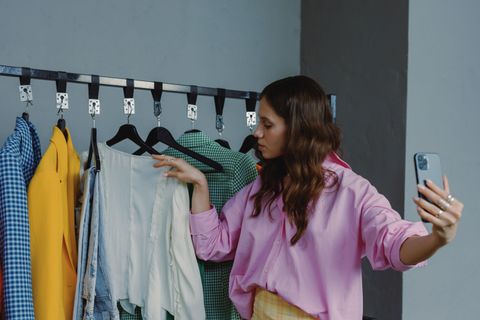
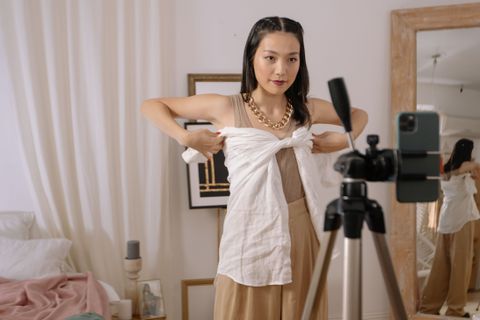
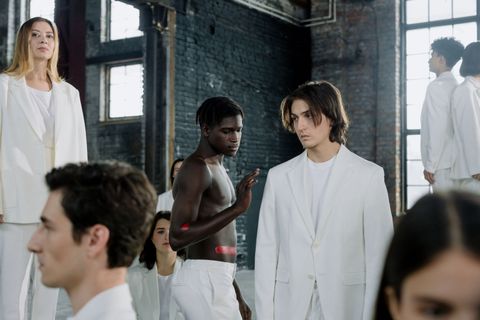
Fashion Essentials Guide: Discover Wardrobe Basics, Outfit Ideas, and Style Advice
Fashion is a way of expressing personality, preferences, and individual identity through clothing, footwear, accessories, and overall appearance. It can also reflect cultural traditions, professional expectations, seasonal changes, and practical needs. Understanding fashion essentials helps people create outfits that suit their daily activities without feeling overwhelmed by changing trends
A well-planned wardrobe begins with understanding personal requirements. Some people need formal clothing for professional environments, while others prioritize comfortable everyday outfits, occasion wear, or versatile clothing for travel. The most useful wardrobe depends on lifestyle, climate, preferred colors, body proportions, and personal comfort.
Fashion essentials are not limited to expensive or designer garments. They include practical clothing items that can be combined in different ways to create outfits for various situations.
What Are Capsule Wardrobe Essentials?
A capsule wardrobe is a collection of versatile clothing items that coordinate with one another. The concept focuses on selecting pieces that can be worn in multiple combinations instead of maintaining a wardrobe filled with items that rarely work together.
Capsule wardrobe essentials often include:
A comfortable pair of jeans.
Neutral-colored trousers.
Basic T-shirts and tops.
A versatile shirt or blouse.
A cardigan, sweater, or lightweight jacket.
Comfortable everyday footwear.
A suitable formal or business-casual outfit.
A coat or outer layer appropriate for the local climate.
Accessories that complement several outfits.
The exact number of items is flexible. Some people prefer a small collection of carefully selected pieces, while others need a larger wardrobe because of work requirements, climate, hobbies, or cultural preferences.
The main principle is versatility. Clothing becomes easier to coordinate when colors, fabrics, and silhouettes work together.
Why Wardrobe Basics Matter
Wardrobe basics provide a foundation for everyday dressing. They can reduce the time spent deciding what to wear and help people identify gaps in their clothing collection.
For example, a neutral shirt can be paired with jeans for a casual outing or tailored trousers for a professional setting. A lightweight jacket may complement dresses, skirts, and trousers.
A practical wardrobe also encourages more thoughtful clothing decisions. Instead of following every new trend, people can focus on garments that fit their needs and complement items they already own.
Why Fashion Planning Matters Today
Fashion influences everyday comfort, self-expression, professional presentation, and cultural identity. Clothing choices can affect how people feel in different environments, although personal style does not determine a person's abilities, character, or professional value.
A planned wardrobe can help students, professionals, parents, travelers, and people with varied daily routines dress appropriately for their activities.
Benefits of a Well-Organized Wardrobe
Greater versatility: Coordinated clothing creates more outfit combinations from the same collection of garments.
Improved comfort: Appropriate fabrics, sizing, and silhouettes help clothing suit daily activities and weather conditions.
Simpler outfit planning: Organizing clothes by category, color, or occasion can make dressing more straightforward.
Better clothing maintenance: Knowing what is in the wardrobe makes it easier to care for garments and avoid unnecessary duplication.
More individual expression: Colors, patterns, accessories, and silhouettes allow people to develop a style that reflects their preferences.
More thoughtful consumption: Reviewing existing clothing before adding new items can reduce impulse purchases and unnecessary wardrobe clutter.
Fashion planning should remain flexible. A wardrobe that works for one person may not suit another because of differences in climate, mobility, professional expectations, cultural preferences, or personal taste.
Building a Practical Wardrobe for Everyday Life
Creating a useful wardrobe begins with identifying the situations for which clothing is needed. A person working in an office may require structured trousers and shirts, while someone working remotely may prefer comfortable separates that can also be worn outside the home.
Essential Clothing Categories
| Clothing category | Common examples | Main purpose |
|---|---|---|
| Everyday basics | T-shirts, casual tops, jeans | Daily activities |
| Professional clothing | Tailored trousers, shirts, blazers | Workplace settings |
| Smart-casual pieces | Blouses, chinos, knitwear | Informal professional occasions |
| Outerwear | Jackets, coats, cardigans | Weather protection and layering |
| Occasion wear | Dresses, suits, traditional outfits | Celebrations and formal events |
| Activewear | Sports tops, leggings, athletic shorts | Exercise and movement |
| Accessories | Belts, scarves, bags, jewelry | Practical use and personal expression |
These categories can overlap. For example, a simple dress may work for a casual gathering with sneakers or for a more formal occasion with different footwear and accessories.
Choosing Colors and Coordinating Outfits
Color coordination can make wardrobe planning easier. Neutral colors such as black, white, navy, beige, gray, and brown often combine well with different patterns and accent colors.
A useful approach is to choose a few colors that work together and then introduce additional shades according to personal preference.
Consider these practical suggestions:
Select a small group of colors that complement one another.
Combine patterned garments with simpler pieces when a balanced appearance is preferred.
Use layering to adapt outfits to changing temperatures.
Choose footwear according to comfort, activity, and occasion.
Check that garments allow comfortable movement when sitting, walking, or working.
Experiment with accessories to create different looks from familiar clothing.
There is no universal rule requiring everyone to wear neutral colors. Bright colors, prints, traditional patterns, and contrasting combinations can also form a coordinated wardrobe.
Business Casual Outfits for Women
Business casual clothing generally combines a professional appearance with a less formal approach than traditional business attire. Expectations differ across industries, organizations, locations, and individual workplaces.
Some offices allow dark jeans and knitwear, while others expect tailored trousers, blouses, dresses, or structured jackets. Checking the workplace dress code is more reliable than assuming one definition applies everywhere.
Common Business Casual Combinations
Tailored trousers with a blouse: This combination creates a structured appearance and can be adapted to different workplace environments.
A midi dress with a cardigan or blazer: A versatile option when the garment's design and the workplace dress code are compatible.
A button-down shirt with chinos: A straightforward combination that can work in many professional settings.
A knit top with a midi skirt: This pairing combines a comfortable upper layer with a more structured silhouette.
Dark jeans with a blazer: Appropriate in workplaces where denim is permitted and the overall outfit meets professional expectations.
Business Casual Wardrobe Checklist
Well-fitting trousers or skirts.
Shirts, blouses, or polished tops.
A blazer, cardigan, or suitable jacket.
Comfortable footwear appropriate to the workplace.
A dress or coordinated outfit for meetings.
Weather-appropriate outerwear.
Accessories that do not interfere with daily tasks.
Fit and comfort are important considerations. Clothing should allow natural movement and suit the wearer's preferences rather than requiring them to follow a particular body shape or fashion trend.
Plus Size Fashion: Fit, Comfort, and Personal Expression
Plus size fashion includes clothing designed for people who wear larger size ranges. It covers everyday basics, professional clothing, activewear, occasion wear, and many other categories.
The most useful approach is to consider garment construction, measurements, fabric behavior, and personal preference rather than relying on rigid styling rules.
Practical Plus Size Styling Tips
Understand garment measurements: Size labels differ between brands and regions. Chest, waist, hip, shoulder, and garment-length measurements can provide more useful information than the label alone.
Choose comfortable fabrics: Stretch materials, breathable cotton, soft knits, and appropriately weighted fabrics may improve comfort, depending on the garment and climate.
Consider proportion: The relationship between garment length, sleeve shape, trouser cut, and overall silhouette affects how an outfit looks and feels.
Experiment with layering: Open shirts, lightweight jackets, cardigans, and structured outerwear can introduce texture and variation.
Prioritize movement: Check how clothing fits while sitting, walking, reaching, and performing normal activities.
Explore different silhouettes: Wide-leg trousers, straight-leg jeans, fitted dresses, loose shirts, and tailored jackets can all work depending on the desired appearance.
Plus size fashion is not limited to particular colors, patterns, or silhouettes. People can wear the same range of styles available in other size categories, according to their preferences and the availability of suitable sizing.
Online Clothing Shopping: A Practical Guide
Online clothing shopping allows people to explore garment designs, compare measurements, and review different styles without visiting multiple physical stores. However, buying clothing through digital platforms requires careful attention to product descriptions, size charts, fabric details, and return conditions.
What to Check Before Ordering Clothing Online
Size chart: Compare your measurements with the specific garment's chart.
Fabric composition: Check whether the item contains cotton, polyester, linen, wool, elastane, or blended materials.
Garment measurements: Review length, sleeve measurements, waist dimensions, and other relevant details.
Product photographs: Examine the garment from different angles when images are available.
Care instructions: Check washing, drying, ironing, and storage requirements.
Customer feedback: Look for repeated comments about fit, fabric thickness, color, and construction.
Delivery and return policies: Understand applicable conditions before completing an order.
Privacy and payment security: Use reputable platforms and appropriate account security measures.
Product photographs may not represent color perfectly because of lighting, display settings, and image editing. Fabric descriptions and measurements can also vary in accuracy.
For this reason, online clothing decisions should be based on several details rather than photographs alone.
Understanding Fabric Types
| Fabric | General characteristics | Common uses |
|---|---|---|
| Cotton | Breathable and comfortable in many conditions | T-shirts, shirts, dresses |
| Linen | Lightweight with a naturally textured appearance | Summer shirts, trousers |
| Wool | Provides warmth; properties vary by wool type | Sweaters, coats, suits |
| Polyester | Often durable and quick-drying | Sportswear, blended garments |
| Viscose | Soft drape and smooth texture | Dresses, blouses |
| Elastane blends | Add stretch and flexibility | Stretch trousers, fitted clothing |
Fabric performance depends on construction, weight, finishing, and the combination of fibers. A garment's suitability also depends on local weather and how it will be used.
Sustainable Clothing and Responsible Fashion Choices
Sustainable fashion explores ways to reduce the environmental and social impacts associated with clothing production, use, and disposal. It includes garment durability, material selection, manufacturing practices, transportation, care, and end-of-life management.
No garment is completely impact-free. The environmental effects of clothing depend on multiple factors, including raw materials, production methods, garment lifespan, washing practices, and disposal.
Practical Ways to Approach Sustainable Fashion
Wear clothing for longer: Proper washing, repair, and storage can extend the useful life of garments.
Consider garment durability: Examine seams, fastenings, fabric strength, and construction quality.
Use existing clothing creatively: Combining familiar garments in new ways can reduce the need for additional items.
Explore secondhand clothing: Reusing garments can extend their lifespan when the items are suitable and remain in good condition.
Choose materials thoughtfully: Consider fiber composition, production information, care requirements, and expected durability.
Avoid unsupported environmental claims: Words such as sustainable, eco-friendly, and responsible can have broad meanings. Look for specific information about the material, production process, or certification rather than relying on vague descriptions.
Understanding Sustainable Clothing Brands
When evaluating sustainable clothing brands, examine the information provided about materials, manufacturing, durability, labor practices, packaging, and environmental claims.
Relevant certifications may address particular aspects of a product or supply chain, but no single label necessarily verifies every environmental and social impact.
It is also useful to distinguish between a brand's stated goals and independently verified information. Transparent reporting and clearly defined standards can make claims easier to evaluate.
Sustainable fashion does not require replacing an entire wardrobe. Caring for existing garments, repairing damaged items, and planning clothing needs carefully can also contribute to more responsible consumption.
Personal Fashion Stylist and Professional Wardrobe Stylist
A personal fashion stylist helps people explore clothing combinations, colors, silhouettes, and accessories that reflect their preferences and lifestyle. A professional wardrobe stylist may work with individuals, performers, public figures, photographers, productions, or professional settings, depending on their area of specialization.
Although these roles overlap, their focus can differ.
Common Styling Responsibilities
Reviewing existing clothing and identifying useful combinations.
Planning outfits for work, travel, celebrations, or photography.
Coordinating colors, patterns, footwear, and accessories.
Developing a wardrobe around practical requirements.
Preparing clothing options for particular events or professional settings.
Considering comfort, fit, personal preferences, and dress codes.
Some people prefer professional guidance, while others enjoy developing their own style independently. Both approaches can work.
How to Prepare for a Styling Consultation
People considering fashion styling services can begin by identifying their goals. For example, they may want a more organized work wardrobe, suitable clothing for a formal event, or help coordinating existing garments.
Useful preparation includes:
Listing common daily activities and clothing requirements.
Identifying preferred colors, materials, and silhouettes.
Noting garments that are uncomfortable or rarely worn.
Establishing a practical clothing budget.
Collecting examples of outfits that reflect personal taste.
Communicating accessibility, mobility, or sensory considerations when relevant.
A stylist's recommendations should reflect the person's needs rather than impose a fixed standard of appearance.
Recent Fashion Developments and Trends in 2025–2026
Fashion changes continually through designer collections, cultural influences, consumer preferences, textile innovation, and social media. During 2025 and 2026, several broad themes continued to appear in fashion discussions.
Personal Style and Wardrobe Versatility
Capsule wardrobes and versatile clothing remained relevant to conversations about simplifying everyday dressing. These approaches emphasize combining garments in multiple ways and considering how new pieces fit with existing clothing.
Continued Interest in Secondhand Clothing
Secondhand clothing, garment reuse, repair, and resale continued to receive attention in discussions about circular fashion. These practices can extend garment use, although their overall environmental impact depends on factors such as transportation, product lifespan, and purchasing behavior.
Digital Fashion Discovery
Online clothing platforms and social media continued to influence how people discover colors, silhouettes, and outfit combinations. Digital tools make fashion inspiration more accessible, but product images and influencer recommendations may not fully reflect a garment's fit, quality, or suitability.
Inclusive Sizing and Accessibility
Inclusive sizing remained an important topic in fashion conversations. Clothing accessibility involves more than adding size options; garment proportions, consistent measurements, ease of dressing, and comfortable construction also matter.
These themes describe broad developments rather than a universal direction for all fashion brands or consumers. Individual preferences, regional traditions, climate, and workplace expectations continue to influence clothing choices.
Fashion Rules, Consumer Protection, and Environmental Policies in India
Fashion and clothing are affected by rules concerning consumer protection, textile labeling, product descriptions, and environmental management. The precise requirements depend on the product, manufacturer, importer, seller, and applicable legislation.
Consumer Protection Act, 2019
India's Consumer Protection Act, 2019, establishes a framework for consumer rights and addresses unfair trade practices and misleading advertisements. It is relevant to clothing descriptions and representations made to consumers.
Information about fabric composition, garment characteristics, and product claims should be accurate. Consumers should also review the applicable terms for returns, refunds, and complaints when purchasing clothing through digital platforms.
Legal Metrology and Textile Labeling
India's Legal Metrology framework and applicable packaged-commodity rules govern specified declarations on covered products and packages. Requirements depend on the product category and the circumstances in which it is packaged or marketed.
Clothing labels may provide information such as fiber composition, size, care instructions, and manufacturer or importer details. The exact labeling obligations vary, so not every item will carry identical information.
Clear labeling helps consumers understand garment characteristics and care requirements.
Environmental and Textile Waste Considerations
India's environmental framework includes rules addressing solid waste, plastic waste, and other waste categories. Their relevance to clothing depends on the material, activity, and applicable requirements.
The Ministry of Textiles and other government bodies support initiatives relating to textile development, technical textiles, and industry modernization. These initiatives may influence the wider textile sector, but they should not be interpreted as guarantees that every garment marketed as sustainable meets a particular environmental standard.
Consumers can make informed clothing decisions by checking garment information, evaluating environmental claims carefully, and maintaining clothing for as long as it remains suitable for use.
Frequently Asked Questions
1. What are capsule wardrobe essentials?
Capsule wardrobe essentials are versatile clothing items that coordinate with one another. Common examples include jeans, neutral trousers, basic tops, shirts, layering pieces, comfortable footwear, and suitable outerwear. The ideal collection depends on lifestyle and personal preferences.
2. How can I choose business casual outfits for women?
Start by checking the workplace dress code. Common options include tailored trousers, blouses, midi dresses, cardigans, blazers, and appropriate footwear. Comfort, garment fit, climate, and professional expectations should guide the final combination.
3. What should I check when shopping for clothes online?
Review the garment's size chart, measurements, fabric composition, care instructions, product photographs, and return conditions. Customer feedback may provide additional information about fit and fabric, but individual experiences can differ.
4. How can I make my wardrobe more sustainable?
Wear garments for longer, maintain them properly, repair damaged clothing, consider secondhand options, and plan clothing needs before adding new items. Look for specific evidence behind environmental claims rather than relying on broad labels alone.
5. What does a personal fashion stylist do?
A personal fashion stylist helps individuals coordinate clothing, colors, silhouettes, and accessories according to their preferences and activities. A professional wardrobe stylist may also prepare clothing for photography, public appearances, productions, or professional environments.
Conclusion
Fashion essentials provide a practical foundation for expressing personal style while meeting everyday clothing needs. Capsule wardrobe planning, thoughtful color coordination, comfortable fits, and suitable outfit combinations can make dressing easier for different lifestyles.
Business casual outfits, plus size fashion, sustainable clothing, and online clothing shopping each involve distinct considerations. Understanding garment measurements, fabric properties, care instructions, and consumer information helps people make more informed decisions.
A personal fashion stylist or professional wardrobe stylist may provide additional guidance, but developing an individual style does not require following every trend. By focusing on comfort, versatility, personal preferences, and responsible clothing care, anyone can create a wardrobe that works for their daily life.

Related Post...
Fashion Basics Guide: Essential Concepts, Types, and Style Tips for Beginners
Updated: October 29, 2026
Read More
Fashion Essentials Guide: Discover Wardrobe Basics, Outfit Ideas, and Style Advice
Updated: October 29, 2026
Read More
Modern Fashion Guide: Discover Popular Styles, Trends, and Essential Fashion Knowledge
Updated: October 29, 2026
Read More