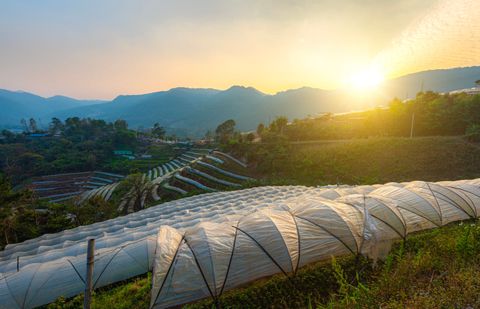
Solar Dryer Systems Guide: Explore Types, Benefits, Applications, and Essential Tips
Solar dryer systems are devices that use energy from sunlight to remove moisture from food, agricultural products, and other suitable materials. They provide an alternative to traditional open-air drying by creating a more controlled environment for moisture removal.
Drying is one of the oldest methods of preserving food and agricultural products. By reducing moisture content, it can help slow the growth of many microorganisms and reduce certain forms of spoilage. However, the effectiveness of drying depends on the product, final moisture level, storage conditions, and hygiene practices.
Traditional open-air drying exposes materials to dust, insects, animals, unexpected rainfall, and changing environmental conditions. A solar drying system can reduce some of these challenges through an enclosed drying chamber, controlled airflow, and better protection from external contamination.
Solar dryers are used for products such as fruits, vegetables, herbs, spices, grains, seeds, and selected agricultural materials. Their design varies according to the material being dried, the required capacity, local weather conditions, and the intended application.
What Is an Industrial Solar Dryer?
An industrial solar dryer is a larger drying system designed to process substantial quantities of material. It may be used by agricultural processors, food manufacturers, cooperatives, and other organizations handling agricultural or food products.
Industrial systems generally require careful attention to airflow, temperature distribution, loading capacity, moisture removal, and product quality. Some use solar-heated air directly, while others combine solar thermal collectors with a separate drying chamber.
A commercial solar dryer serves a similar purpose but may be designed for small and medium-sized processing operations, farms, food businesses, or agricultural enterprises.
The terms industrial and commercial do not describe one universal machine size. Capacity, design, and operating requirements differ among manufacturers and applications.
How Does a Solar Drying System Work?
Most solar dryers use sunlight to heat air or the material being dried. Warm air absorbs moisture from the product and carries it out of the drying chamber through natural or forced ventilation.
The basic process includes the following steps:
Solar radiation enters a collector or drying enclosure.
The solar energy heats air, surfaces, or the product itself.
Warm air moves through trays, racks, or a drying chamber.
Moisture evaporates from the material.
Moist air exits through ventilation openings or an exhaust system.
The dried product is checked for the required moisture level before packaging or storage.
The drying rate depends on temperature, humidity, airflow, product thickness, loading density, and available sunlight. A system that works effectively during dry, sunny weather may perform differently during cloudy or humid conditions.
Types of Solar Dryer Machines
Solar dryers are available in several configurations. Each type has different operating characteristics, installation requirements, and practical applications.
Direct Solar Dryers
A direct solar dryer allows sunlight to enter the drying chamber and heat the material or the surrounding air. The enclosure commonly uses a transparent cover to allow solar radiation to enter while protecting the contents from some environmental contaminants.
These systems can be relatively simple in design and may be appropriate for small-scale drying operations.
Common applications include:
Drying herbs and selected vegetables.
Preserving sliced fruits.
Drying certain spices.
Small-scale agricultural experiments.
Household food preservation.
Direct dryers require attention to product exposure, temperature fluctuations, and uniform drying. Some foods may be sensitive to direct sunlight, making an indirect system more appropriate.
Indirect Solar Dryers
An indirect solar dryer uses a solar collector to heat air before the air enters a separate drying chamber. The product is therefore protected from direct solar radiation.
The arrangement can be useful for products that require more controlled exposure to light or benefit from a separate heating and drying area.
Typical components include a solar air collector, ducts, a drying chamber, trays, and ventilation openings. Fans may be added to improve airflow.
Indirect solar dryers are used for fruits, vegetables, herbs, spices, and other products when temperature management and product appearance are important.
Mixed-Mode Solar Dryers
A mixed-mode solar dryer combines direct solar heating of the drying chamber with heated air supplied by a solar collector.
This arrangement allows the product to receive heat through more than one pathway. The resulting performance depends on collector design, enclosure construction, airflow, and environmental conditions.
Mixed-mode systems may be suitable for agricultural operations that need a balance between straightforward construction and improved drying control.
Forced-Convection Solar Dryers
Forced-convection systems use fans to move air through the collector and drying chamber. The fans help regulate airflow and may improve drying uniformity when properly designed.
Depending on the system, fans may operate using electricity from the grid, batteries, or solar photovoltaic panels.
These dryers can be useful when natural airflow is insufficient or when the drying process requires more consistent air movement. Their performance depends on fan capacity, duct design, and the arrangement of trays.
Hybrid Solar Dryers
A hybrid solar dryer combines solar energy with an additional heat source, such as electricity, biomass, or another suitable heating technology.
The auxiliary heat source can help maintain drying conditions when sunlight is insufficient. This can be particularly relevant in areas with variable weather or operations that require more predictable processing schedules.
However, the additional heating equipment introduces extra design, operating, and maintenance considerations.
Comparison of Solar Dryer Types
| Dryer type | Main operating principle | Common applications | Key consideration |
|---|---|---|---|
| Direct solar dryer | Sunlight heats the drying enclosure and product | Fruits, herbs, vegetables | Direct light and temperature exposure |
| Indirect solar dryer | Solar collector heats air separately | Spices, herbs, selected foods | Collector and airflow design |
| Mixed-mode dryer | Direct and indirect solar heating | Agricultural products | Balancing heat and ventilation |
| Forced-convection dryer | Fans move heated air | Controlled agricultural drying | Fan operation and airflow uniformity |
| Hybrid solar dryer | Solar energy plus auxiliary heating | Variable-weather operations | Additional energy source and controls |
Benefits of Solar Food Drying Machines
Solar food drying machines use renewable solar energy as their primary heat source. Their practical benefits depend on system design, climate, product requirements, and the way the equipment is operated.
Use of Renewable Energy
Solar dryers can use sunlight to heat air or products during the drying process. This may reduce dependence on conventional heating fuels when sufficient solar energy is available.
The amount of energy saved depends on the alternative drying method, local weather, system efficiency, and any auxiliary heating requirements.
Improved Protection During Drying
An enclosed solar drying system can protect products from some external contaminants, including dust, insects, and animals.
Protection depends on the enclosure, screening, ventilation arrangement, cleaning procedures, and handling practices. An enclosed dryer does not automatically make a product safe; appropriate food hygiene and moisture control remain essential.
Better Control of Drying Conditions
Compared with open-air drying, a well-designed solar dryer can provide improved control over airflow and product exposure.
Temperature monitoring and appropriate loading arrangements can help reduce uneven drying. However, results vary according to the dryer design and the characteristics of the material being processed.
Support for Agricultural Product Preservation
Drying can help extend the storage period of suitable agricultural products by lowering their moisture content.
This is particularly relevant to fruits, vegetables, herbs, and spices that may deteriorate when stored under unsuitable conditions. The final moisture level must be appropriate for the particular product and its intended storage environment.
Potential Reduction in Conventional Energy Use
Solar thermal energy can provide much of the heat required for drying under favorable conditions.
Hybrid systems may require auxiliary heating during cloudy weather, at night, or when a particular product needs a specified temperature. Therefore, energy performance should be evaluated under realistic local operating conditions rather than assumed from the use of solar energy alone.
Applications of Commercial Solar Dryers and Agricultural Drying Equipment
Solar drying technology has applications across agriculture, food processing, and selected industrial activities.
Fruit and Vegetable Processing
Fruits such as mangoes, bananas, apples, and selected berries can be dried into products with different textures and moisture levels.
Vegetables such as tomatoes, onions, carrots, and leafy vegetables may also be dried when suitable processing methods are followed.
Product preparation matters. Washing, slicing, pretreatment, tray arrangement, and drying temperature can influence the final texture, color, and moisture distribution.
Spice and Herb Drying
Spices and herbs may require careful drying to preserve their characteristic aroma, color, and quality.
An indirect solar dryer may be useful for materials that are sensitive to direct sunlight. Airflow, temperature, and exposure time should be adjusted according to the product.
Grain and Seed Drying
Agricultural drying equipment can help reduce excess moisture in certain grains and seeds before storage or further processing.
Grain drying requires special attention to moisture measurement, airflow, loading depth, and temperature. Excessive heat may damage seed viability or affect grain quality, depending on the crop and its intended use.
Fisheries and Selected Animal Products
Some solar drying systems are used for fish and other suitable animal-derived products. These applications require careful attention to hygiene, temperature, moisture removal, and contamination risks.
Drying alone does not eliminate every food safety hazard. Product-specific processing procedures and applicable food safety requirements must be followed.
Industrial and Agricultural Applications
Depending on the equipment and process, solar thermal drying may also be used for selected non-food materials, such as certain plant-based raw materials and other products compatible with the system's temperature range.
Industrial applications require an assessment of the material's properties, moisture content, desired final condition, and possible effects of temperature on quality.
Common Applications at a Glance
| Application | Examples | Important operating factor |
|---|---|---|
| Fruit drying | Mango, banana, apple | Slice thickness and moisture level |
| Vegetable drying | Tomato, onion, carrot | Airflow and pretreatment |
| Spice drying | Selected spices | Temperature and aroma retention |
| Herb drying | Culinary herbs | Light exposure and ventilation |
| Grain drying | Selected cereals | Moisture measurement and heat control |
| Seed drying | Agricultural seeds | Maintaining seed viability |
| Fish drying | Suitable fish products | Hygiene and validated processing |
| Plant materials | Selected agricultural raw materials | Product-specific drying conditions |
Solar Food Dehydrators and Industrial Food Dehydrators
A solar food dehydrator is designed primarily for removing moisture from food using solar energy. It may be a small cabinet, a tray-based enclosure, or a larger system connected to a solar collector.
An industrial food dehydrator generally refers to equipment designed for larger or more controlled food-processing operations. It may use solar energy, electricity, gas, or a combination of heat sources.
The distinction is important because not every industrial dehydrator is solar-powered, and not every solar dryer is designed for industrial food production.
Important Equipment Components
Solar collector: Captures solar radiation and transfers the heat to air or another working medium.
Drying chamber: Holds the product during moisture removal and helps direct airflow.
Trays and racks: Support products while allowing air to circulate around them.
Fans and ventilation openings: Move air through the system and remove moisture-laden air.
Temperature and humidity sensors: Help monitor drying conditions and identify variations.
Control system: In more advanced equipment, regulates fans, dampers, or auxiliary heating according to operating conditions.
Insulation: Helps reduce unwanted heat loss in components where thermal retention is important.
Component quality and arrangement affect drying uniformity, maintenance needs, and operating performance.
Factors to Consider When Evaluating a Solar Dryer Machine
Selecting a solar dryer requires an understanding of the product, processing requirements, local climate, and available infrastructure.
Product Type and Drying Requirements
Different materials respond differently to heat and moisture removal. Fruits may require a different temperature range and preparation method from grains, herbs, or seeds.
Identify the product's initial moisture content, desired final moisture level, sensitivity to heat, and intended storage conditions before evaluating equipment.
Processing Capacity
Capacity may be expressed as the mass of fresh material loaded per batch or the quantity processed over a particular period.
These figures are not interchangeable. A large chamber does not necessarily provide a high daily processing rate if drying cycles are long or airflow is inadequate.
Ask how capacity is measured and whether published figures represent actual operating conditions or ideal test conditions.
Local Climate and Solar Availability
Solar drying performance depends on available sunlight, ambient temperature, humidity, wind conditions, and seasonal variation.
A dryer designed for a dry climate may perform differently in a humid region. Local weather records and practical testing can help establish realistic operating expectations.
Temperature and Airflow Control
Uniform airflow helps expose products to more consistent drying conditions. Poor airflow can leave some areas wetter than others.
Temperature monitoring is especially important for heat-sensitive products and applications where final quality must meet specific requirements.
Hygiene and Cleaning
Food-processing equipment should have surfaces and components that can be cleaned appropriately. Tray design, drainage, ventilation screens, and access to the drying chamber can influence cleaning practices.
A well-maintained enclosure still requires proper handling, sanitation, and protection against recontamination.
Installation and Maintenance
The installation area should provide suitable solar exposure, drainage, ventilation, and access for loading and cleaning.
Fans, sensors, seals, ducts, and moving parts may require periodic inspection. Hybrid systems may also need maintenance of their auxiliary heating components.
Recent Developments and Trends in Solar Drying Technology
Solar drying continues to attract attention as part of broader research into renewable energy, food preservation, and agricultural processing. Recent technical developments focus on improving temperature regulation, monitoring moisture removal, and combining solar energy with other technologies.
Solar Photovoltaic Integration
Some modern drying systems use photovoltaic panels to power fans, sensors, and control equipment.
This arrangement allows solar electricity to support airflow and monitoring. The system's performance depends on panel output, battery arrangements where present, fan requirements, and sunlight availability.
Photovoltaic panels generate electricity, while solar thermal collectors capture heat. A system may use either technology or combine both.
Digital Monitoring and Automated Controls
Temperature sensors, humidity sensors, and digital controllers can help operators monitor the drying environment.
More advanced systems may record drying conditions and adjust fan operation or auxiliary heating. Monitoring can improve process consistency when the sensors are properly installed, calibrated, and maintained.
Automation does not remove the need for product inspection or appropriate food safety procedures.
Thermal Energy Storage
Some solar drying systems incorporate thermal storage materials to retain heat and release it later.
Thermal storage can help reduce temperature fluctuations and may support drying when direct sunlight declines. Its effectiveness depends on the storage material, system design, insulation, and local operating conditions.
Hybrid Renewable Energy Systems
Hybrid dryers combine solar energy with another heat source to provide additional control when weather conditions change.
Research and practical development continue to examine combinations of solar thermal collectors, photovoltaic electricity, thermal storage, and auxiliary heating.
The suitability of each arrangement depends on the required drying temperature, processing schedule, energy availability, and material characteristics.
Agricultural Processing and Food Preservation
Solar drying remains relevant to agricultural processing because it can support moisture reduction using renewable heat.
However, performance claims should be assessed carefully. Drying time, energy use, product quality, and capacity depend on the material, climate, and equipment configuration. Results from one installation should not automatically be applied to another.
Laws, Standards, and Government Initiatives in India
Solar dryer systems may be affected by requirements relating to food safety, electrical equipment, agricultural processing, and renewable energy. The applicable rules depend on the system's purpose, location, scale, and operating arrangements.
Food Safety and Standards Authority of India
The Food Safety and Standards Authority of India (FSSAI) administers India's food safety framework under the Food Safety and Standards Act, 2006.
Food-processing activities must follow the applicable requirements for hygiene, handling, storage, and food safety. Operators should identify the licensing, registration, and product-specific requirements relevant to their activities.
A solar dryer does not automatically make food safe. Appropriate processing, moisture control, hygienic handling, and storage practices remain important.
Renewable Energy and Agricultural Initiatives
India has various programmes supporting renewable energy, agricultural development, and technology adoption. Their relevance to solar drying depends on the scheme's current guidelines, eligibility conditions, and implementing agency.
Readers should distinguish between programmes that support solar electricity, solar thermal applications, agricultural equipment, and food-processing infrastructure. A programme relating to one category does not necessarily cover every type of solar dryer.
Equipment Standards and Safe Operation
Depending on the design, a solar dryer may include electrical fans, controllers, photovoltaic panels, batteries, or auxiliary heating equipment.
These components should be installed and maintained according to applicable safety requirements and manufacturer instructions. Industrial installations may also need to consider workplace safety, electrical protection, fire precautions, and local building requirements.
Before installing a system, operators should verify the relevant rules with the appropriate authorities and qualified technical professionals.
Frequently Asked Questions
1. What is a solar dryer system?
A solar dryer system uses energy from sunlight to remove moisture from food, agricultural products, or other suitable materials. It commonly includes a solar collector or drying enclosure, trays, ventilation, and a method for monitoring or controlling drying conditions.
2. What is the difference between a commercial solar dryer and an industrial solar dryer?
Both are used to process materials through solar-assisted drying. The terms generally reflect the intended scale and operating environment, but there is no single universal capacity boundary. Actual specifications depend on the design and manufacturer.
3. Which products can be dried using solar food drying equipment?
Depending on the system, suitable products include fruits, vegetables, herbs, spices, grains, seeds, and selected other agricultural materials. The drying method must match the product's temperature sensitivity, moisture requirements, and safety considerations.
4. Can a solar dryer work during cloudy weather?
A solar dryer can continue operating under some cloudy conditions, but heat input and drying performance may decrease. Hybrid systems with auxiliary heating or suitable thermal storage can help maintain more consistent conditions.
5. What factors affect solar dryer performance?
Important factors include sunlight availability, ambient humidity, temperature, airflow, product thickness, loading density, initial moisture content, and the desired final moisture level. Equipment design and maintenance also influence performance.
Conclusion
Solar dryer systems use renewable solar energy to support moisture removal in food processing, agriculture, and selected industrial applications. Direct, indirect, mixed-mode, forced-convection, and hybrid designs provide different approaches to heating and airflow.
Industrial solar dryers and commercial food drying equipment can support agricultural processing when their capacity, temperature range, airflow, and hygiene arrangements match the intended application. Solar food dehydrators and agricultural drying equipment also require suitable operating procedures and product-specific moisture control.
For beginners, understanding the differences between solar dryer types is an important first step. Evaluating local weather conditions, product requirements, monitoring systems, maintenance needs, and applicable regulations helps establish realistic expectations.
As solar thermal technology, photovoltaic integration, digital monitoring, and thermal storage continue to develop, solar drying remains an area of practical interest for renewable-energy-based processing. Careful evaluation of equipment specifications and operating conditions is essential for achieving consistent and appropriate drying results.

Related Post...
Beverage Cooling Systems Guide: Explore Types, Features, Benefits, and Essential Tips
Updated: October 29, 2026
Read More
CNC Cutting Machine Guide: Basics, Working Principles, Types, and Applications
Updated: October 22, 2026
Read More
Scrap Shears Guide: Types, Features, Benefits, and Essential Tips
Updated: October 28, 2026
Read More